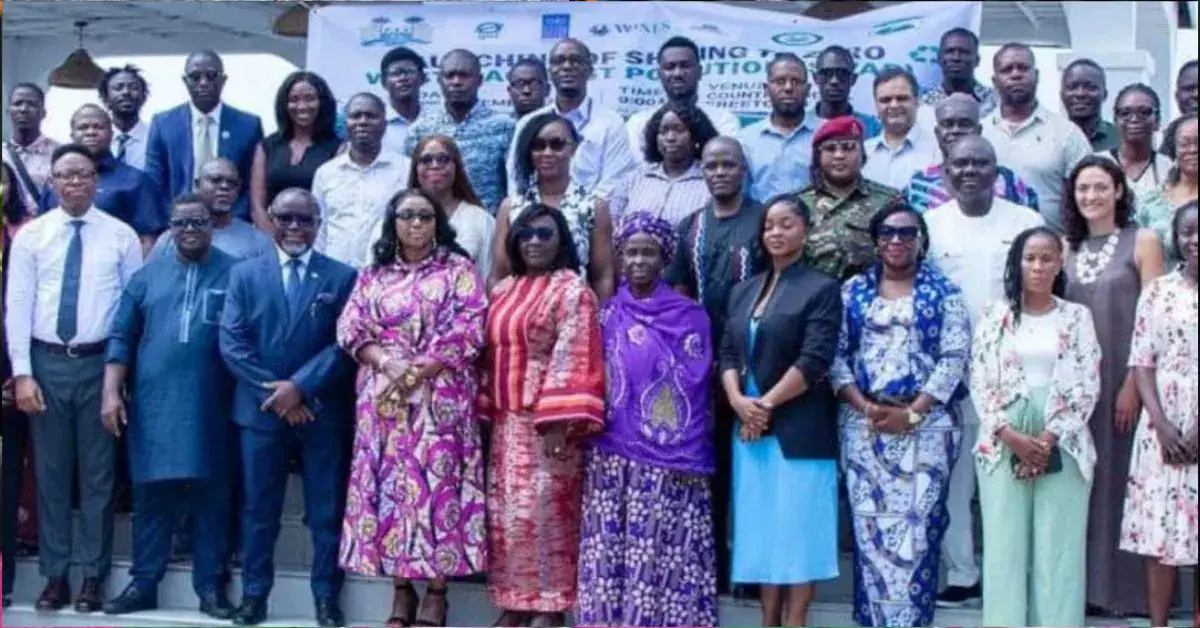
The US$4.66 million Global Environment Project was launched on 2 November 2026 in Freetown, Sierra Leone. The project aims to minimise pollution and improve the city's waste management system. It is one of five projects worldwide, with Freetown being the only city from a least developed country to participate. The launch event brought together various implementing partners, including the Environment Protection Agency Sierra Leone and the United Nations Development Programme.
The five-year project is funded by the Global Environment Facility (GEF) and will be implemented by several government institutions and partners. The Environment Protection Agency Sierra Leone, Freetown City Council (FCC), and the United Nations Development Programme (UNDP) in Sierra Leone are among the key partners. The project's goals align with the government's efforts to strengthen waste management governance.
During the launch event, Dr Abu-Bakarr Massaquoi, Executive Chairman of the Environment Protection Agency Sierra Leone, highlighted the importance of viewing waste as a valuable resource. He noted that the project will support the implementation of the Sustainable Waste Management Act. The Act aims to improve waste management practices in Sierra Leone.
The project's partners reaffirmed their commitment to reducing waste through improved coordination and public engagement. The efforts are expected to contribute to a cleaner environment and the advancement of Sierra Leone's circular economy. The project will also help to reduce pollution in Freetown.
Freetown's waste management system is currently facing significant challenges. The city's rapid growth has put pressure on its waste management infrastructure. The new project aims to address these challenges and improve the overall cleanliness of the city.
The launch of the US$4.66 million project is a significant step towards improving Freetown's waste management system. The project's success will depend on the collaboration of all partners involved, including government institutions and local communities. The project's impact is expected to be long-term, contributing to a more sustainable future for Freetown.
The project's focus on sustainability and circular economy aligns with global efforts to reduce waste and promote environmentally friendly practices. The project's outcomes will be closely monitored, and its success could serve as a model for other cities in similar situations.
Key points
- The project is funded by the Global Environment Facility (GEF) and will be implemented over five years.
- Freetown is the only city from a least developed country among the five participating cities worldwide.
- The project's goals align with the government's efforts to strengthen waste management governance, including the implementation of the Sustainable Waste Management Act.