In Ghana's Upper East Region, officials have raised concerns about families interfering with police investigations and prosecutions of child defilement cases. According to Mr. James Twene, Acting Upper East Regional Director of the Department of Gender, some families report abuse to the police but later refuse to cooperate with investigators and prosecutors, allowing suspects to escape punishment. This has made it difficult for police and other institutions to secure justice for survivors.
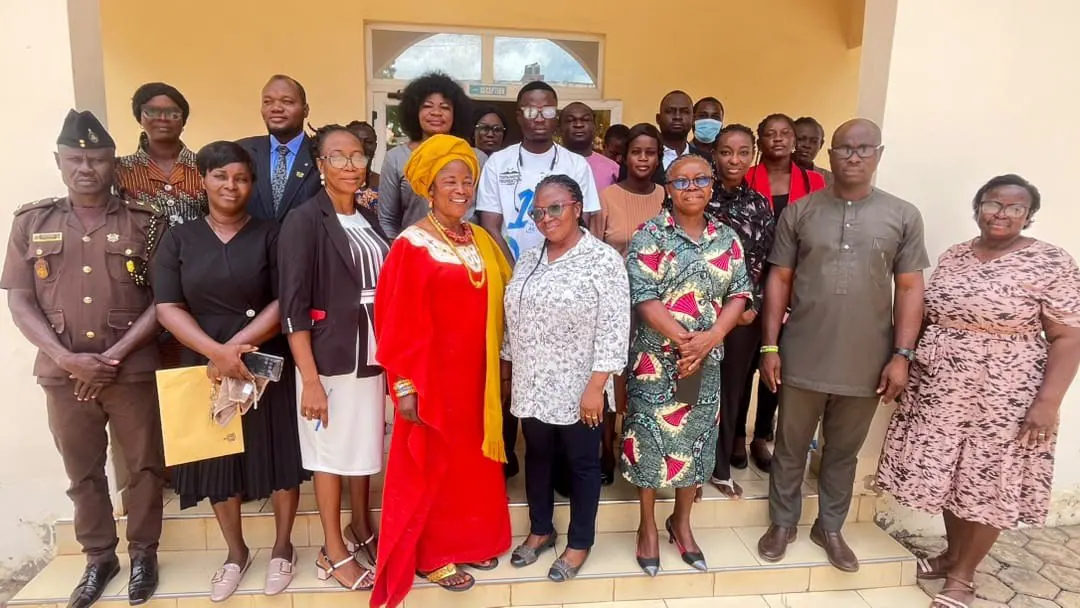
The issue was discussed at a Regional Review Meeting on Essential Services Providers held in Bolgatanga, attended by representatives from the Ghana Health Service, the Domestic Violence and Victim Support Unit (DOVVSU) of the Ghana Police Service, Social Welfare, the Judicial Service, and Legal Aid. Twene appealed to families to stop interfering in defilement cases and allow institutions mandated to enforce the law to do their work. He emphasized that defilement and rape are criminal offences that cannot be settled at the family level.
Community pressure and reluctance to testify are significant challenges in pursuing defilement cases. Twene noted that some witnesses and family members fail to show up in court to testify, while influential figures in some communities, including chiefs and assembly members, sometimes step in to have cases withdrawn. The reluctance to report or pursue such cases is attributed to a mix of ignorance, family loyalty, and the influence wielded by powerful individuals within communities.
The Department of Gender plans to step up its community and radio outreach to educate the public about the importance of reporting sexual abuse cases and cooperating with law enforcement. The outreach aims to press home the message that sexual abuse cases must be reported and that families must cooperate once a case is in the system. This initiative is funded by the United Nations Population Fund (UNFPA).
The Upper East Region continues to grapple with teenage pregnancy, with data showing around 49 girls aged between 10 and 14 years pregnant. These pregnancies raise concerns about who is responsible, as such cases could amount to defilement requiring legal action. Twene urged the public to channel suspected cases to the police, Social Welfare, the Commission on Human Rights and Administrative Justice (CHRAJ), or the Department of Gender itself.
A recent case in Tamale, where a 37-year-old man was sentenced to 10 years in prison for defiling an 11-year-old girl, highlights the scale of child sexual abuse in northern Ghana. Officials say family interference in reporting and prosecution makes it harder to secure similar convictions elsewhere, leaving survivors without justice and offenders free to reoffend. The practical effect of withdrawing cooperation is that suspects can walk free even after abuse has been reported.
Stakeholders at the meeting emphasized the need for greater collaboration to ensure essential services reach vulnerable people who need them. Robert Apambila, the Nabdam District Adolescent Focal Person of the Ghana Health Service, and Yvonne Wonchua, UNFPA's Upper East Regional Focal Person, called for closer work among service providers, traditional and religious leaders to keep children in school and prevent early marriage. No specific timeline was given for the planned community and radio education drive.
Key points
- Families in the Upper East Region are being blamed for quietly protecting men accused of defiling children.
- The Department of Gender would step up its community and radio outreach to press home the message that sexual abuse cases must be reported.
- The region continues to grapple with teenage pregnancy, with data presented showing around 49 girls aged between 10 and 14 years pregnant.