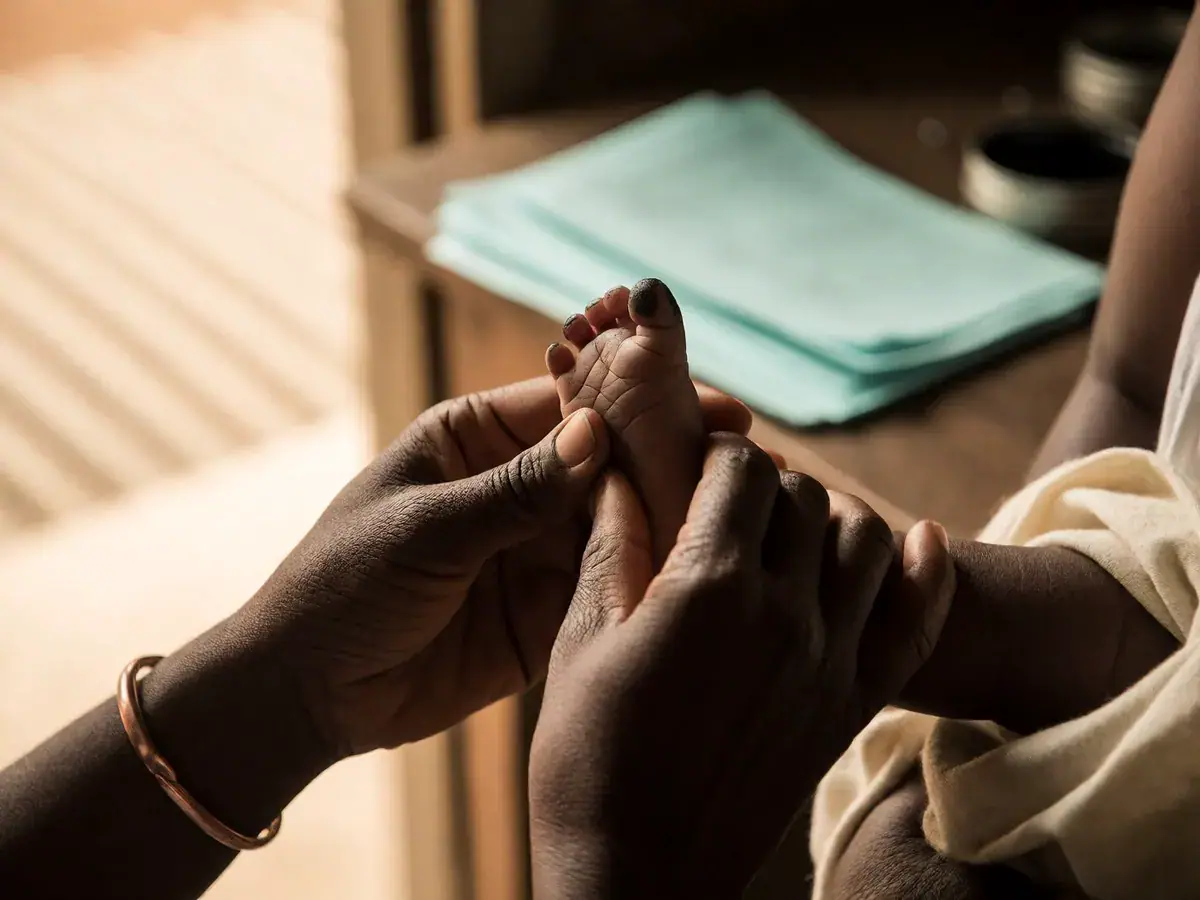
In Ghana, approximately one in four children are born without official recognition due to unregistered births. This situation affects the state's ability to plan public services, as a significant number of children remain invisible to authorities. According to data from 2025, 588,972 births were registered, accounting for 73.4 percent of expected births, leaving 26.6 percent unregistered. UNICEF Country Representative in Ghana, Andy Brooks, warned that this gap in registration has severe consequences for the children.
The 2025 Child Protection Budget Brief reported that 170,257 infants, or 23 percent of births in 2024, were not registered during their first year of life. Furthermore, birth certificate possession was lower than registration rates, indicating a gap between recording a birth and obtaining proof. This lack of documentation makes it harder for children to access education, healthcare, social protection, and other essential services due to the absence of legal recognition of their name, age, place of birth, and family relationships.
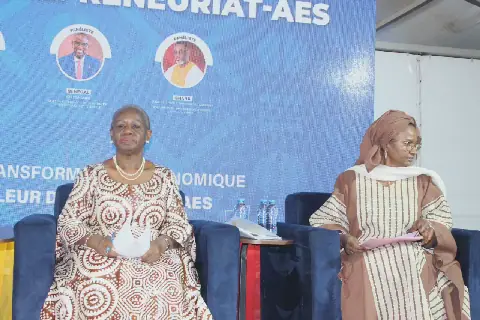
To understand the challenges families face in registering births, Andy Brooks visited Bepoase in the Eastern Region with musician Kuami Eugene. The visit highlighted the need to connect the civil registration system more closely with services that already reach communities, particularly healthcare. Families face long travel distances to access services, strict documentation requirements, and inadequate information, which hinder the registration process.
Poor telecommunications connectivity in rural communities also prevents parents from using digital registration platforms. Brooks stated in an interview on Joy News on November 20 that children without registration do not exist officially, so they are not accounted for when the state allocates resources for healthcare and education. This makes it difficult for the state to plan and provide essential services to these children.
Brooks proposed closer integration between health facilities and the Births and Deaths Registry, supported by digital technology, to make registration easier and reduce the number of children left out. Most children are born in health facilities, and those delivered outside hospitals often interact with routine immunisation services. These existing contacts provide an opportunity to register children and ensure the state captures their details in the national civil registration system.
According to Brooks, Ghana can reduce the number of unregistered children from one in four to practically zero if the state connects public systems better and uses technology to reach families who might otherwise be missed. This can be achieved by leveraging existing healthcare services and digital platforms to facilitate registration. By doing so, the state can ensure that all children have access to essential services and are officially recognised.
The issue of unregistered births in Ghana highlights the need for a more efficient and accessible registration system. By addressing the barriers to registration and implementing proposed solutions, the state can ensure that all children have equal access to education, healthcare, and social protection. This, in turn, can contribute to the overall development and well-being of the children and the country as a whole.
Key points
- Unregistered births in Ghana affect 26.6% of expected births, denying thousands of children official recognition and access to essential services.
Reporting sources
- Unregistered births in Ghana leave one in four children without recognition · The Statesman Newspaper