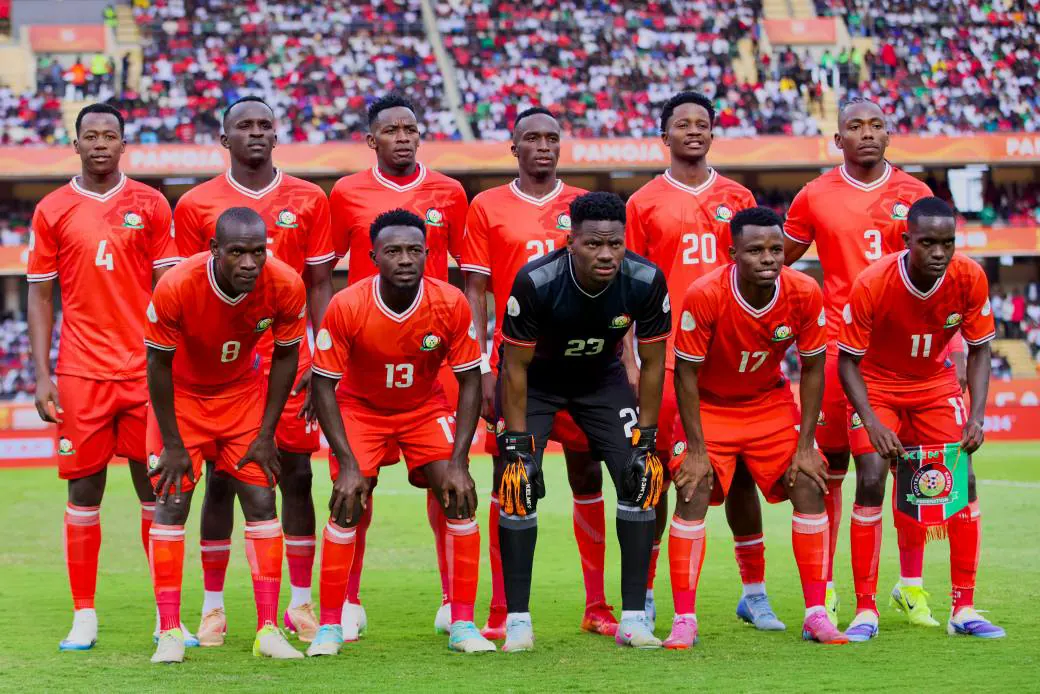
A recent spate of unpaid dues to Kenyan athletes has highlighted the challenges they face in receiving timely and transparent payments. This issue affects not only footballers but also athletes across various disciplines, including athletics, volleyball, rugby, and skating. The delayed payments are a major obstacle to the development of sports in Africa, demoralizing athletes who play a crucial role in strengthening their country's global reputation and soft power.
The opaque nature of payments and disputed amounts worsen the situation, causing financial and mental strain on athletes. They rely on extra cash, such as sponsor bonus payments, to facilitate transportation for training and meet their nutritional requirements. To address this issue, a new payment model called the Locker Room Bonus (LRB) has been introduced, ensuring timely and transparent sponsor payments for athletes.
The LRB, launched in 2022, is a direct-to-player performance reward program that pays every player fielded on a winning team a fixed bonus directly to their mobile money wallet shortly after the final whistle. The model has expanded across Kenya, Nigeria, Ghana, Uganda, Rwanda, Tanzania, Malawi, and Cameroon, covering football, basketball, and volleyball. Since its launch, the LRB program has paid over $1.9 million to more than 7,000 players through over 51,000 individual payouts.
The LRB model puts performance at the center of the reward, rather than reputation or status. It is designed to complement salaries, contracts, federation funding, or conventional sponsorship, adding another layer to the sports ecosystem. This model has shown that it is possible to introduce transparency and timeliness in rewarding athletes and can serve as a blueprint for other players in the sports sector.
The sports sector is now recognized as a key economic driver, creating direct and indirect employment opportunities, encouraging community participation, and promoting healthier lifestyles. According to a PwC survey, the global sports sponsorship investment market is projected to reach $109.1 billion by 2030, with emerging markets like Kenya currently attracting $53.8 million in annual sponsorship investments.
To ensure African nations reap the anticipated rewards from the sports sector, it is essential to actively support athletes by establishing incentives like transparent, timely, and direct payments. The LRB model offers a solution to the challenges faced by Kenyan athletes, and its success can be replicated in other countries. The model's impact extends beyond the sports sector, benefiting related industries such as tourism, hospitality, transportation, and media.
Oluwatosin Ajibade, also known as Mr Eazi, the chairman of Choplife Gaming and ambassador of betPawa's Locker Room Bonus, believes that the LRB model can make a significant difference in the lives of athletes. With the sports sector's growing importance, it is crucial to prioritize the well-being and financial stability of athletes, ensuring they receive the support they need to excel in their careers.
Key points
- The Locker Room Bonus (LRB) model has paid over $1.9 million to more than 7,000 players through over 51,000 individual payouts.
- The LRB model puts performance at the center of the reward, rather than reputation or status.
- The global sports sponsorship investment market is projected to reach $109.1 billion by 2030.