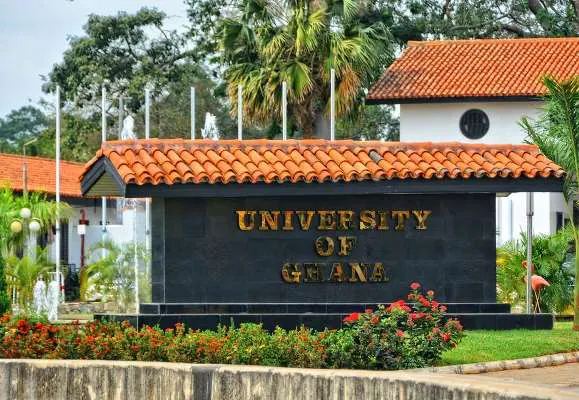
The University of Ghana has postponed the reopening of its 2026/2027 academic year, originally set for Monday, October 12, 2026. The decision is attributed to the ongoing industrial action led by the Ghana Association of University Administrators (GAUA). The strike has crippled crucial administrative operations, stalling first-semester registration and halting primary institutional services. University leadership had previously suspended student registration due to the walkout and warned of a prolonged strike's potential to destabilize the academic calendar.
The industrial action stems from unresolved disputes between GAUA and government negotiators over salary structures, interim market premiums, and broader conditions of service. University management had acknowledged that the operational standstill was directly tied to the administrator strike. In an official release, the Pro Vice-Chancellor for Academic and Student Affairs, Professor Gordon A. Awandare, requested patience while university leadership formulates alternative arrangements.
A revised reopening date will be announced in due course, according to the university's official notice. Despite the physical campus reopening postponement, students have been instructed to proceed with digital academic enrollment. Completing online registration remains essential for securing course placements and maintaining eligibility for the upcoming random bed allocation exercise. Students must follow procedural registration guidelines established in prior university communications.
The crisis extends beyond the University of Ghana, affecting the Kwame Nkrumah University of Science and Technology (KNUST). On Friday, October 9, KNUST management confirmed the indefinite postponement of its academic year, scheduled to start on Tuesday, October 13, 2026. University leadership acknowledged that key administrative offices were operating below capacity, impairing essential functions.
KNUST officials attributed the shutdown to the labor dispute, citing its direct impact on effective operations. Students, parents, guardians, and external partners have been instructed to await further official communications regarding a revised start date. The postponement has caused inconvenience, and stakeholders have been urged to appreciate the understanding and cooperation required during this period.
The dual disruptions at the University of Ghana and KNUST have regional ripple effects across public universities. Other institutions may face similar challenges if the GAUA strike remains unresolved. The Ghana Association of University Administrators' industrial action has significant implications for Ghana's education sector, affecting students, staff, and the broader community.
The University of Ghana's management has assured students that their safety and academic progress remain a priority. Alternative arrangements will be made to minimize the impact of the postponement on the academic calendar. Students and stakeholders are advised to monitor official university communications for updates on the revised reopening date and other important announcements.
Key points
- The University of Ghana postpones its 2026/2027 academic year reopening due to the GAUA strike.
- The strike affects not only the University of Ghana but also other public universities, including KNUST.
- Students are instructed to proceed with digital academic enrollment despite the physical campus reopening postponement.