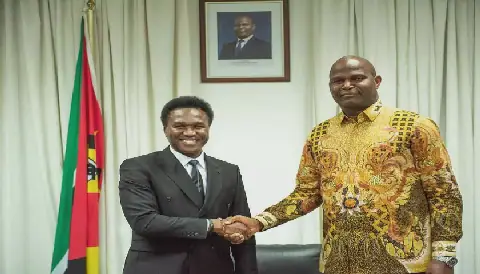
Daniel Owusu and Bertha Amoako, graduating students from the University of Energy and Natural Resources (UENR), have acquired practical skills and experiences that they believe will shape their future. They are among the students graduating from the Department of Agricultural and Bioresources Engineering, equipped with knowledge spanning agriculture, food storage, soil management, irrigation, and farm machinery. Their education has included internships, equipment operation, and data evaluation, preparing them for the industry.
Daniel's training has focused on putting theory into practice, with courses such as Post-Harvest Loss Reduction, which teaches students how to store agricultural produce to minimize spoilage and extend shelf life. He hopes to apply this knowledge in communities, improving agricultural practices and giving farmers the opportunity to benefit from their acquired knowledge. His studies have also introduced him to ways of turning materials like cow dung and wood ash into compost and organic fertilizers.
Bertha's university experience has been transformative, not only in terms of the skills she has acquired but also in the support she received from her lecturers during a difficult time. When she collapsed during an examination period, her lecturers ensured she received medical attention and later gave her permission to take the course examination the following year. This experience changed her perspective on the people behind the academic work, showcasing the care and support provided by the lecturers.
Bertha's skills have developed significantly over the four years, from not knowing how to fix a tyre or change engine oil to being able to do both. She hopes to continue developing these skills after graduation, gaining more experience and becoming better at what she does. Her transformation is a testament to the university's approach to education, which emphasizes practical skills and experiences.
The University of Energy and Natural Resources prioritizes creating opportunities for students, including international exposure and exchange programs, research, and leadership development. According to James Clark, the Institutional Advancement and Alumni Relations Officer, the university believes that students should leave with some proficiency in French, giving them an additional advantage in the world of work.
The university's Earth Observation Research and Innovation Centre is another example of its commitment to providing students with practical experiences. The centre uses earth observation technology to monitor and provide information relating to flooding and other disasters, working with organizations like NASA and the Ghana National Fire Service. This exposure prepares students for leadership and real-world challenges.
As Daniel and Bertha prepare to leave UENR, they take with them more than just technical knowledge. They have gained practical skills, experiences, and leadership qualities that they believe will be useful in their future endeavors. Their stories showcase the university's commitment to producing well-rounded graduates equipped to make a positive impact in their communities and industries.
Key points
- UENR graduates acquire practical skills and experiences through internships, equipment operation, and data evaluation.
- The university prioritizes creating opportunities for students, including international exposure and exchange programs, research, and leadership development.
- Graduates like Daniel and Bertha are equipped with knowledge and skills to make a positive impact in their communities and industries.