Universities in Uganda have raised concerns about the government's plan to transfer teacher education from universities to the Uganda National Institute of Teacher Education (UNITE). The concerns follow government plans to shift teacher education, citing a lack of standardisation in the current university-based system. Different institutions use varying approaches and curricula in training teachers, leading to inconsistencies in teacher preparation.
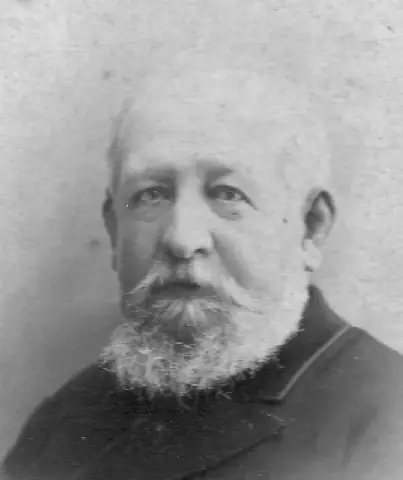
Prof. Muhammad Mpezamihigo, Vice Chancellor of Equator University of Science and Technology, says UNITE may not have the capacity to absorb the growing number of students seeking teacher education. He notes that teacher education has recently attracted more students, partly due to improved remuneration for teachers, particularly those in science-related subjects. This increased interest in teacher education could put pressure on UNITE.
Prof. Mpezamihigo argues that transferring all teacher education to UNITE could limit its ability to effectively train the numbers required by the country. He suggests that universities have invested in lecturers, facilities, and other infrastructure necessary for teacher training and could continue contributing to the sector under a properly regulated system. This would ensure that the country's growing demand for qualified teachers is met.
Instead of taking over teacher education, Prof. Mpezamihigo proposes that UNITE should take on a stronger regulatory and standard-setting role. This would ensure that universities offering teacher education follow uniform standards and requirements. He envisions UNITE as a "super university" where institutions offering education could benchmark and collaborate.
The government’s proposed changes are pending cabinet approval and aim to address concerns about variations in teacher training. The goal is to establish greater consistency in the preparation of teachers. However, Prof. Mpezamihigo calls on the government to engage all stakeholders and develop a viable solution, rather than removing teacher education from universities.
Universities have built decades of experience and expertise in teacher education, and removing this responsibility could be detrimental to the sector. The debate comes at a time when Uganda continues to face demand for qualified teachers, particularly in science subjects. The structure and capacity of teacher education institutions are crucial to the country’s education planning.
The concerns raised by universities highlight the need for a thorough examination of the proposed changes. A balanced solution that takes into account the strengths of both universities and UNITE is necessary. This will ensure that teacher education in Uganda is standardised, effective, and able to meet the country's growing demand for qualified teachers.
Key points
- Universities in Uganda express concerns over government's plan to transfer teacher education to UNITE.
- Concerns centre on UNITE's capacity to absorb growing number of students seeking teacher education.
- Alternative proposal suggests UNITE take on regulatory and standard-setting role.