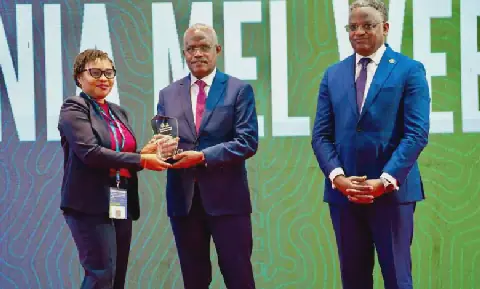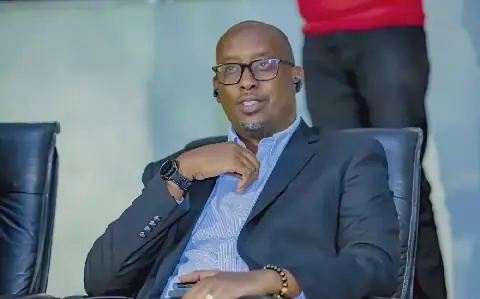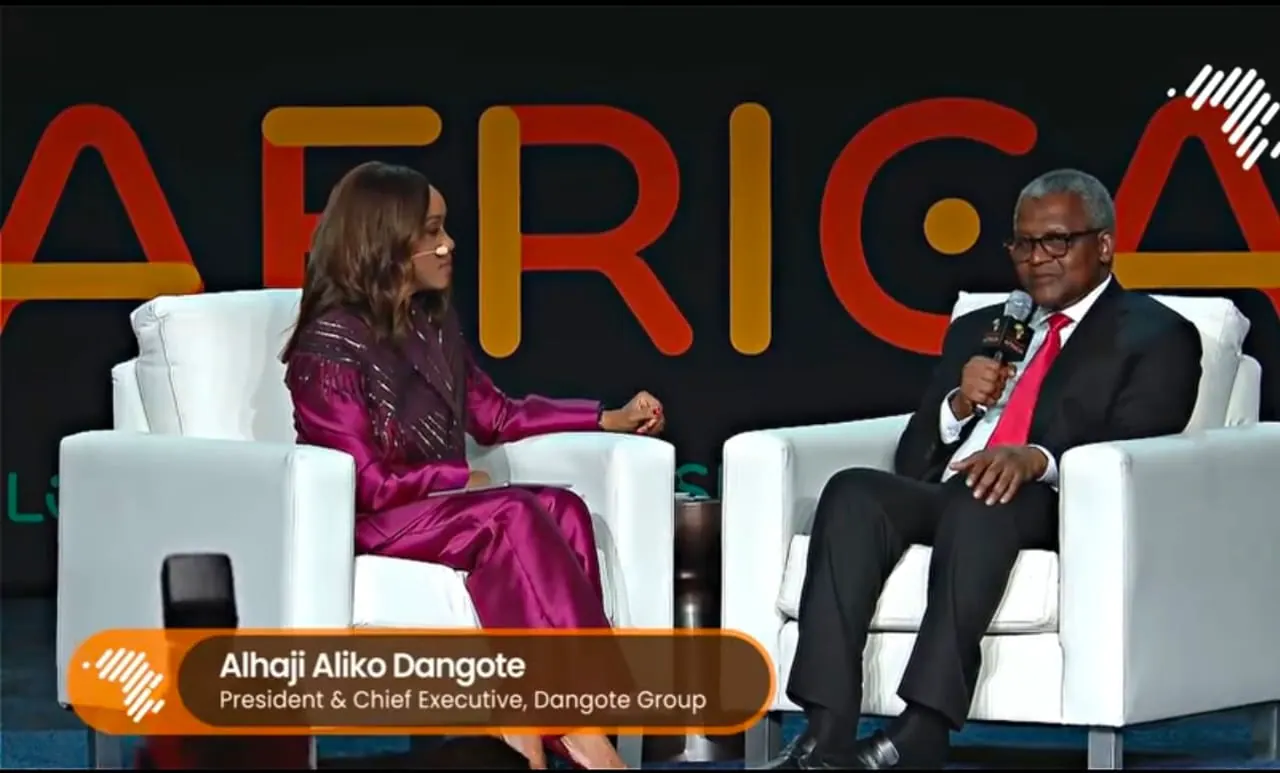
At the 81st United Nations General Assembly in New York, a question from Yobe State stood out amidst discussions on growth and investment. Dr. Mohammed Goje, Yobe State's Secretary to the Government, asked business leader Alhaji Aliko Dangote about opportunities for government to invest in shares for the benefit of widows and victims of conflict. This query went beyond the typical conversation about attracting investment, delving into the purpose of capital and its beneficiaries.
The Unstoppable Africa 2026 gathering, held alongside the UNGA, brought together over 2,000 African and global business leaders to discuss investment, infrastructure, and African ownership. The event aimed to advance a different conversation about Africa, focusing on its capacity to own, scale, and retain value. Goje's question connected the language of capital markets with the lived reality of communities affected by conflict, highlighting the need for sustainable financial security for those left behind.
Nigeria has invested years in reconstruction, rehabilitation, humanitarian assistance, and livelihood support for conflict-affected communities. However, there is a growing case for considering another dimension of recovery: asset ownership. A social investment vehicle, professionally managed and transparent, could provide vulnerable families with a sustainable source of income. This idea, embedded in Goje's question, challenges policymakers to think beyond relief toward resilience and long-term value creation.
The concept of asset ownership for conflict victims is particularly relevant for Yobe State, which has been affected by insurgency and displacement. A conflict-affected state cannot afford to think about development only through annual budgets; it must consider resilience across generations. A widow whose husband was killed in conflict needs more than sympathy; she needs income, security, dignity, and an economic future for her children.
The conversation about Africa's economic future becomes meaningful when considering the need for the continent to move beyond exporting raw potential and toward creating and retaining more value through African businesses and investment. Ownership should not be understood only at the level of corporations and sovereign wealth; it must eventually reach the ordinary citizen. A widow in Gujba Town may not sit on the board of a multinational company, but she should not be permanently excluded from the economic value generated by the economy transforming around her.
The question posed by Goje challenges policymakers to think beyond a culture of relief toward resilience, beyond beneficiaries toward asset ownership, and beyond expenditure toward long-term value creation. It requires legislation, regulation, professional investment management, independent oversight, and extraordinary transparency. However, these difficult questions are precisely what policy leaders should be asking to ensure that Africa's economic future is inclusive and benefits its most vulnerable people.
The significance of the exchange between Goje and Dangote lies in the fact that, in a room discussing Africa's vast economic opportunity, someone remembered the people who are rarely present when that opportunity is discussed: the widows, the displaced, and the victims of conflict. Africa's economic future cannot be truly inclusive if millions of its most vulnerable people remain spectators to its prosperity. The next frontier of development may be finding credible, transparent, and sustainable ways to ensure that those who have suffered the most can own a piece of what comes next.
Key points
- Yobe State's Secretary to the Government, Dr. Mohammed Goje, asked a question at Unstoppable Africa 2026 about investing in shares for sustainable financial security for widows and conflict victims.
- The concept of asset ownership for conflict victims challenges policymakers to think beyond relief toward resilience and long-term value creation.
- Africa's economic future cannot be truly inclusive if millions of its most vulnerable people remain spectators to its prosperity.