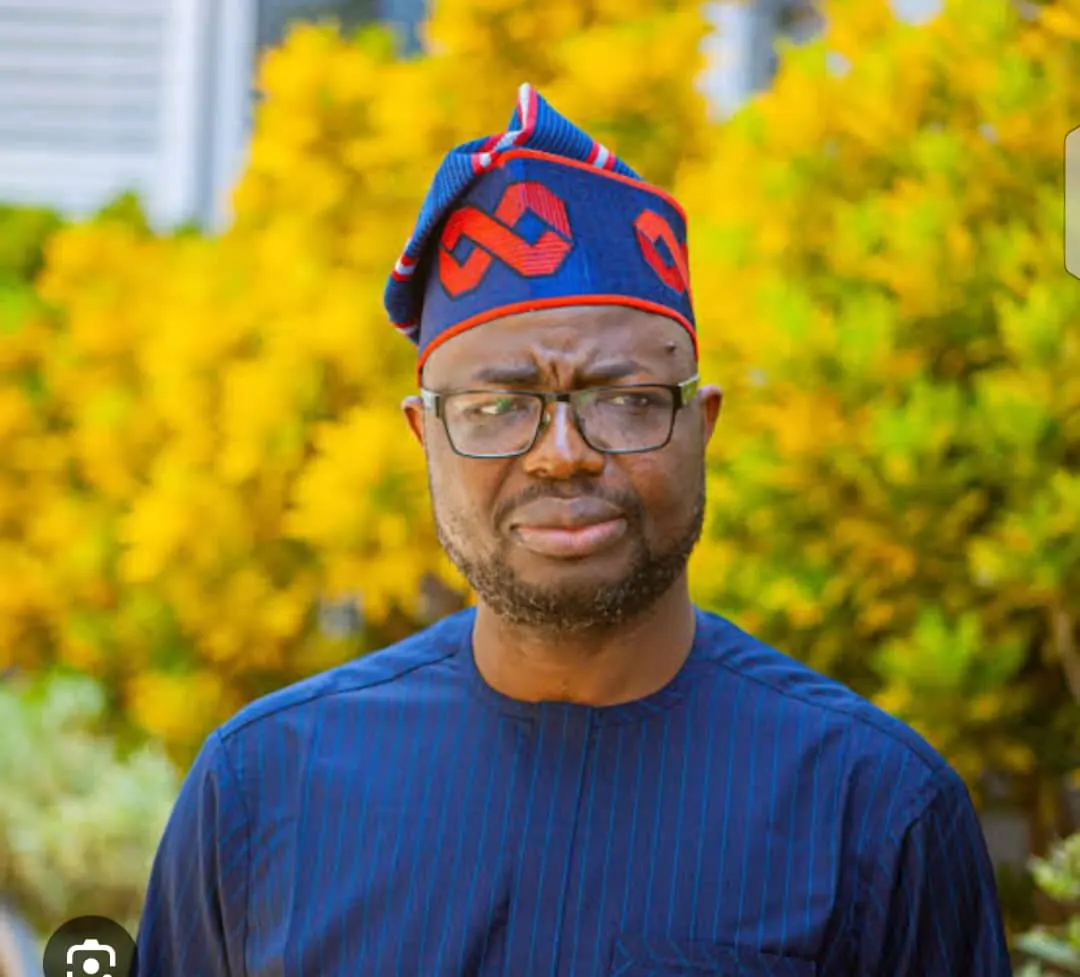
Nigeria is advancing a new approach that seeks to connect humanitarian assistance directly to protection, productivity, economic inclusion, and sustainable pathways out of poverty. This approach was outlined by the Honourable Minister of Humanitarian Affairs and Poverty Reduction, Dr. Bernard M. Doro, at Nigeria’s High-Level Side Event at the 81st Session of the United Nations General Assembly (UNGA 81). The event, themed “Beyond Assistance: Reducing Poverty, Advancing Protection and Building Shared Prosperity,” brought together government leaders, United Nations officials, development partners, and experts.
Dr. Doro spoke of the administration of President Bola Ahmed Tinubu's efforts to shift humanitarian and poverty reduction interventions from fragmented, emergency-driven responses towards more integrated, data-driven, and household-centred systems. He emphasized that humanitarian assistance must save lives, but it cannot end there. Vulnerable households also need credible pathways to resilience, self-reliance, and shared prosperity. The Minister’s flagship reform, the One Humanitarian One Poverty Response System (OHOPRS), aims to strengthen coordination across humanitarian response, social protection, poverty reduction, and economic inclusion.
The OHOPRS seeks to reduce fragmentation and duplication, improve the use of data, and strengthen coordination so that vulnerable households can be connected to appropriate interventions throughout their journey from vulnerability towards resilience and prosperity. Dr. Doro explained that a four-stage pathway underpins this approach: Palliative, Protection, Productivity, and Prosperity. This pathway is a deliberate effort to ensure that emergency assistance becomes an entry point into a wider system capable of connecting vulnerable households to social protection, skills, livelihoods, enterprise, financial inclusion, and other opportunities for sustainable economic participation.
The Minister reaffirmed Nigeria’s commitment to the Humanitarian-Development-Peace Nexus, linking immediate humanitarian response with recovery, resettlement, social cohesion, and longer-term development. He stressed the importance of national ownership and domestic resource mobilisation in building sustainable systems capable of protecting vulnerable populations and responding effectively to shocks. The High-Level Side Event was convened by the Federal Ministry of Humanitarian Affairs and Poverty Reduction in partnership with several organisations, including IOM, UN Migration, and Innovations for Poverty Action (IPA).
Several dignitaries contributed to the high-level discussions, including Nigeria’s Minister of Foreign Affairs, Ambassador Bianca Odumegwu-Ojukwu, and the Minister of Women Affairs, Hajiya Imaan Sulaiman-Ibrahim. Ms. Ugochi Daniels, IOM Deputy Director General for Operations, also participated in the discussions. They highlighted the importance of initiatives aimed at creating more sustainable livelihoods and opportunities for vulnerable communities, translating evidence into action, and moving from repeated and fragmented palliatives towards sustainable productivity and shared prosperity.
The event featured expert discussions involving Professor Sabina Alkire of the University of Oxford, representatives of IOM Nigeria and the International Rescue Committee, as well as Dr. Kehinde Ajayi of the Center for Global Development. Dr. Doro said the discussions in New York reinforced Nigeria’s determination to build a humanitarian and poverty reduction architecture in which assistance is not the end of the journey for vulnerable households, but a bridge towards dignity, resilience, and sustainable economic participation.
Dr. Doro emphasized that the ultimate measure of interventions must be whether vulnerable households are able to recover, become more resilient, and progressively move towards self-reliance. He concluded that Nigeria is moving from palliatives to pathways, and from vulnerability to shared prosperity. The Minister's remarks reflect the country's commitment to addressing poverty and humanitarian challenges in a more integrated and sustainable manner.
Key points
- Nigeria's Minister of Humanitarian Affairs and Poverty Reduction, Dr. Bernard M. Doro, outlines a new approach to connect humanitarian assistance to protection, productivity, and sustainable pathways out of poverty at UNGA 81.