The United Nations Population Fund (UNFPA) and the United Nations Children's Fund (UNICEF) have launched a programme to empower 400,000 vulnerable adolescent girls in Ghana by 2030. The programme, supported by Global Affairs Canada, aims to improve the reproductive health, education, and access to essential services of adolescent girls, particularly those in rural areas, migrant girls, out-of-school youth, and girls with disabilities.
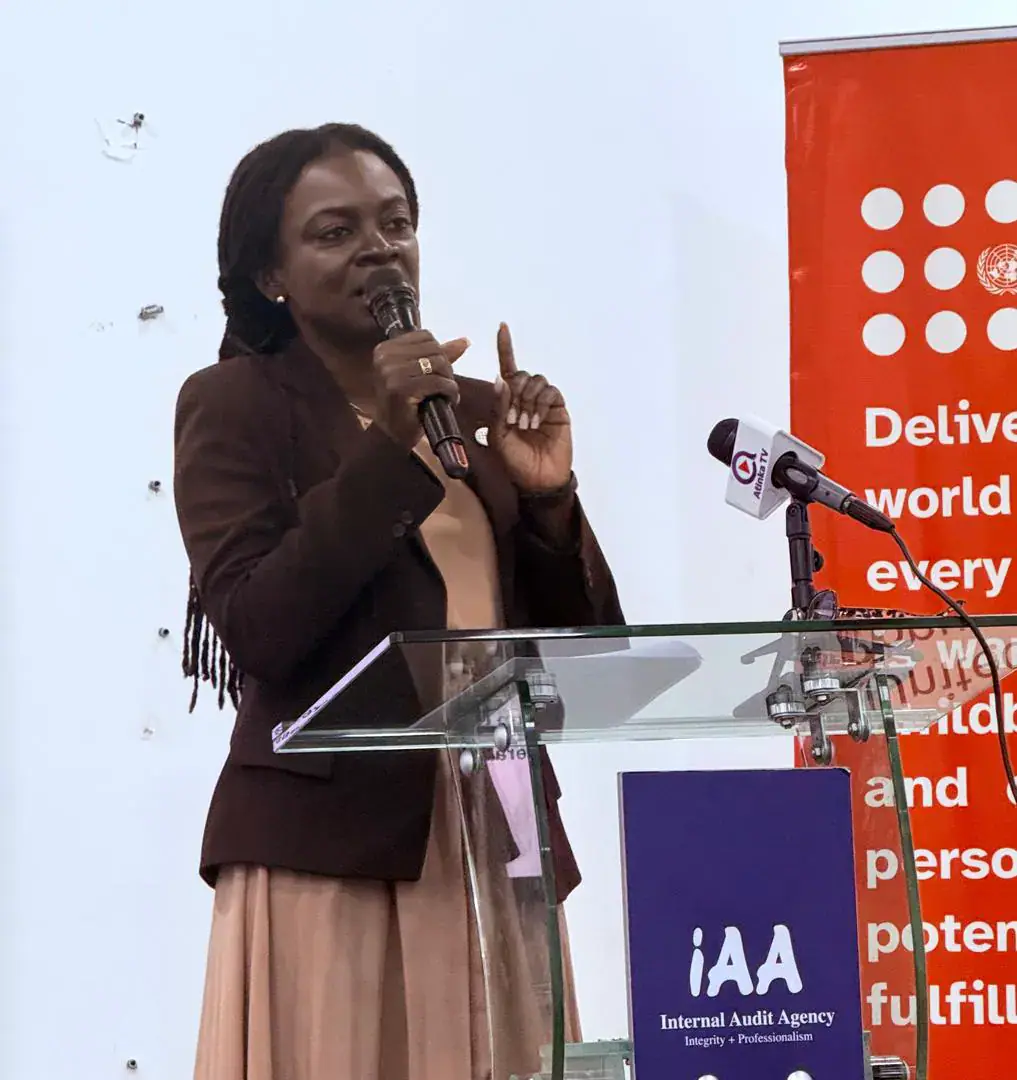
According to Programme Specialist for Adolescent and Youth Development at UNFPA Ghana, Adjoa Yenyi, the programme recognises that adolescents are not a uniform group and that interventions must be designed to respond to the specific needs of vulnerable populations. She stressed the need for targeted interventions that address the distinct challenges confronting marginalised adolescents.
The programme seeks to help adolescent girls remain in school through structured retention support, make informed decisions about their health and life choices, and access essential services and empowerment opportunities. Ms Yenyi emphasised that reproductive health support is critical to the success of broader youth development investments, arguing that education, skills training, and employment opportunities can be undermined if young people are unable to overcome challenges such as unintended pregnancies and sexual abuse.
UNFPA is collaborating with government institutions and civil society organisations to extend reproductive health information and services to young people across different communities. The organisation is working with the Ministry of Health and the Ministry of Gender to support the coordination of menstrual hygiene interventions, alongside the Ministry of Education.
As part of these efforts, UNFPA is also working with the Complementary Education Agency and the Technical and Vocational Education and Training (TVET) sector to reach out-of-school young people enrolled in their programmes. Civil society organisations are helping to extend interventions to communities that government structures may not readily reach.
Ms Yenyi called on the media to change the narrative around young people by giving greater attention to their contributions to national development. She urged journalists to investigate disparities in opportunities between urban and rural communities, highlight youth-led peacebuilding initiatives, and showcase innovations by young people in areas such as agribusiness, employment, environmental sustainability, reproductive health, and social enterprise.
The programme is part of UNFPA's broader commitment to ensuring that reproductive health education and services reach young people, including those outside formal education. Ms Yenyi noted that young people are not merely leaders of tomorrow but partners building Ghana today, and emphasised the need for investments in youth development to be accompanied by support for reproductive health and well-being.
Key points
- The programme aims to empower 400,000 vulnerable adolescent girls in Ghana by 2030.
- The programme is supported by Global Affairs Canada and targets adolescent girls in rural areas, migrant girls, out-of-school youth, and girls with disabilities.
- UNFPA emphasises the need for targeted interventions that address the distinct challenges confronting marginalised adolescents.