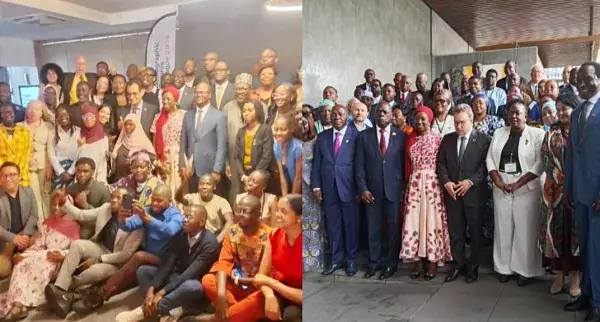
The UNFPA and the African Union have organized two pre-dialogues in Abidjan, Côte d'Ivoire, to discuss the demographic future of the continent. The meetings, which took place on November 3, 2026, at the Pullman Hotel and Ivotel Abidjan Plateau, brought together parliamentarians and youth to explore ways to turn Africa's demographic growth into a driver of development. The initiative aims to create a common vision for Africa's demographic transformation, involving policymakers and new generations.
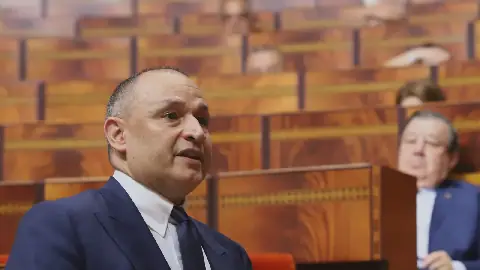
The pre-dialogue for parliamentarians focused on translating demographic challenges into concrete public policies, accompanied by adequate funding. Dr. Diene Keita, Executive Director of UNFPA, emphasized that a country's population is its primary strategic wealth. She called on African states to strengthen investments in health, education, gender equality, and economic prospects to transform the continent's demographic weight into a development advantage. Ivorian parliamentarians highlighted their responsibility in promoting maternal and reproductive health, family planning, and women's rights.
The pre-dialogue for youth, attended by several prominent figures, including Dr. Sennen Hounton, Dr. Diene Keita, and Ibrahima Diabaté, President of the National Youth Council of Côte d'Ivoire, emphasized the need to make young people full-fledged actors in decisions shaping the continent's future. Dr. Hounton encouraged young people to recognize their potential and historical responsibility, quoting Nelson Mandela: "Your generation can transform Africa. Your generation can change the world."
Dr. Diene Keita stressed the importance of solidarity between generations, urging young people to go beyond their own interests and become relays for those with fewer opportunities. She also addressed the issue of migration, calling for a more nuanced understanding that goes beyond the perception of Africans moving only to Europe and America. Keita highlighted the significance of intra-African migration and the contribution of international partners to the continent's development financing.
The two meetings identified key challenges Africa must address to benefit from its demographic transition, including access to education, healthcare, employment, new technologies, women's empowerment, migration, climate change, and artificial intelligence. The goal is to generate concrete proposals on training, entrepreneurship, skills development, and social inclusion. Recommendations from parliamentarians and youth representatives will inform the High-Level Dialogue, scheduled for November 4-6 in Abidjan.
The High-Level Dialogue will contribute to the preparation of the 60th session of the UN Commission on Population and Development, set for April 2027. Through these pre-dialogues, Abidjan aims to foster collective reflection on Africa's demographic future. The exercise emphasizes that population growth is not automatically a wealth; it can only become a demographic dividend if states invest in human capital and empower young people, women, and vulnerable populations.
The pre-dialogues in Abidjan demonstrate the commitment of the African Union, UNFPA, and Ivorian government to addressing demographic challenges and opportunities. By engaging parliamentarians and youth, the initiative seeks to create a shared vision for Africa's demographic transformation, ensuring that the continent's growth becomes a driver of sustainable development. The outcome of these meetings will be crucial in shaping Africa's future and unlocking its demographic potential.
Key points
- The UNFPA and African Union are working together to mobilize youth and parliamentarians to address Africa's demographic challenges and opportunities.
- The pre-dialogues in Abidjan aim to create a common vision for Africa's demographic transformation, involving policymakers and new generations.
- The initiative seeks to generate concrete proposals on training, entrepreneurship, skills development, and social inclusion to unlock Africa's demographic potential.