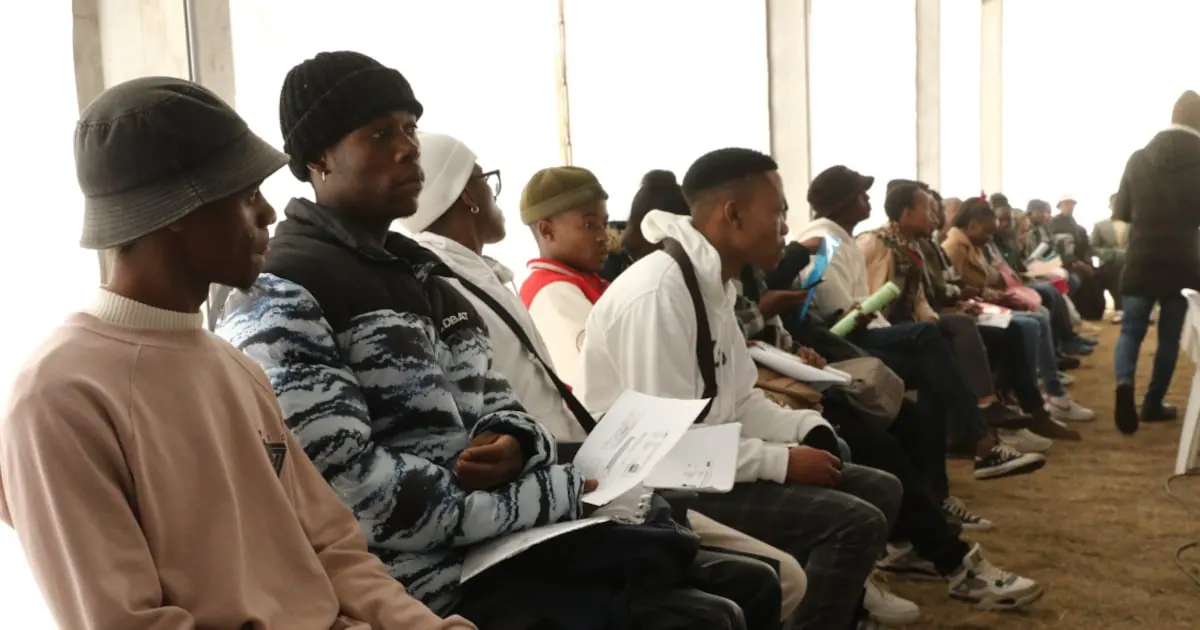
In South Africa, at least one in three young people aged 15-24 are not in employment, education, or training (Neet). These individuals face intersecting risks, including mental illness, poor health, poverty, and fragmented social ties. Despite these challenges, many Neets report feelings of well-being, but this cannot be attributed solely to psychological ruggedness. A recent study, the Resilient Neets (R-NEET) study, has been following a cohort of South African and Nigerian youth with lived experience of being Neet.
The R-NEET study, which began in April 2025, investigates the types of support that help Neets experience better mental health. It found that Neets who report no or minimal symptoms of depression have an enabling ecosystem, including a supportive social network, opportunities to hustle, and spaces to keep busy or forget about their pressures. Additionally, these individuals have personal strengths, such as being hopeful, self-compassionate, and grateful, and they give back to their family and community.
The study highlights that being Neet and not depressed is rooted in an enabling ecosystem, not just individual resilience. Mentally healthy Neets have families that care, peers that refuse to give up on them, opportunities to develop new skills, and faith-based communities that welcome them. This multisystemic approach to resilience emphasizes that ecosystems enabling resilience provide access to meaningful social connections, institutional support, and welcoming spaces.
A multisystemic explanation of resilience shows that health and wellness are possible due to enabling interactions between individuals and the systems they are connected to. For example, a South African study found that mental health resilience was strongest among young people who were better resourced, with a mix of personal, social, institutional, cultural, and physical-environment resources. In contrast, young people who reported worsening or chronic depression mostly reported only personal strengths.
Despite this, researchers and mental health practitioners often prioritize individual strengths when investigating determinants of mental health or designing interventions. A systematic review of 142 studies found that almost half reported personal strengths like grit, self-esteem, or positive thoughts. However, focusing on individual strengths can harm young people with high experiences of vulnerability, including Neets, by making them solely responsible for their mental health.
World Mental Health Day 2026 urges respect for the expertise of people with lived experiences of hardship and related mental health challenges. Mentally healthy Neets want society to act on their expertise and create social, structural, and physical conditions that make resilience possible. This includes families encouraging young people, communities taking action to ensure Neets belong, and policies that remove barriers.
Prof Linda Theron, a research psychologist with the University of Pretoria, emphasizes that leveraging everyday supports is a first step to moving beyond the "DIY myth" of youth mental health. By creating a world where it is not necessary to glorify psychological ruggedness, society can support young people in overcoming mental health challenges and achieving well-being.
Key points
- South African youth facing unemployment and hardship need more than just praise for their resilience; they require support and resources to overcome mental health challenges.