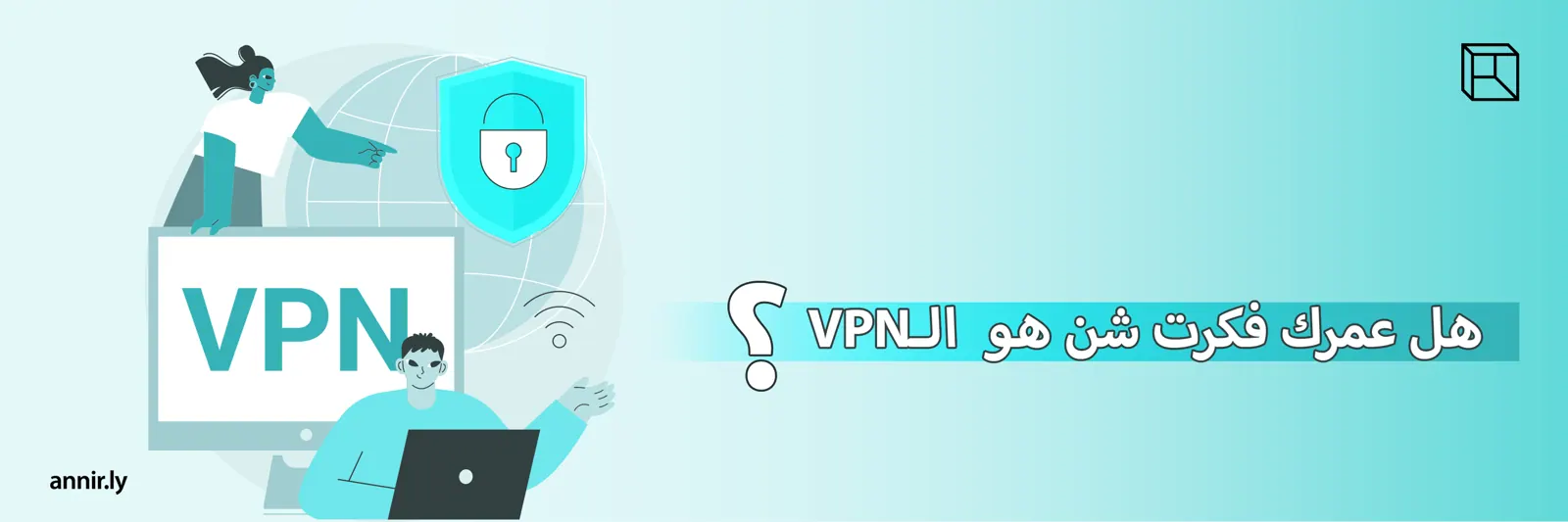
In today's digital age, online privacy and security are growing concerns for internet users. As a result, Virtual Private Networks (VPNs) have become an essential tool for protecting personal data and maintaining anonymity online. A VPN is a service that creates a secure and encrypted connection between a user's device and the internet, preventing third-party interception and surveillance. This technology has been around since 1996, when Microsoft first developed it as a means for employees to securely access company data.
The primary function of a VPN is to create a secure tunnel between the user's device and the internet, encrypting data and hiding the user's IP address. This makes it difficult for third parties, including internet service providers and hackers, to intercept and access sensitive information. By using a VPN, users can protect their personal data, including passwords, credit card numbers, and browsing history, from being stolen or compromised. Additionally, VPNs can help users bypass geo-restrictions and access content that may be blocked in their region.
VPNs offer several benefits, including encryption of internet connections, protection of user data, and anonymity. When a user connects to a VPN, their internet traffic is routed through a secure server, encrypting their data and making it unreadable to third parties. This provides an additional layer of security when using public Wi-Fi networks, which are often unsecured and vulnerable to hacking. Furthermore, VPNs can help users protect their personal data from being collected and sold by internet service providers and advertisers.
Despite the benefits of VPNs, there are some drawbacks to consider. In some countries, including Libya, the use of VPNs is restricted or prohibited. The Libyan government has laws in place that prohibit the production, possession, and distribution of encryption tools without a license or permit. Additionally, some VPN services may not be trustworthy, and users may be at risk of data breaches or surveillance.
To ensure the security and effectiveness of a VPN, users must choose a reputable and trustworthy service. This includes researching the service provider, reading reviews, and understanding their privacy policy. Users should also take steps to protect themselves, such as using strong passwords, enabling two-factor authentication, and keeping their devices and software up to date. By taking these precautions, users can enjoy the benefits of a VPN while minimizing the risks.
In Libya, the use of VPNs is restricted, and the government has laws in place to regulate the use of encryption tools. The Libyan Cybercrime Law 5/2022 has been enacted to regulate cybercrime, but its provisions have raised concerns about the restriction of online freedoms. The law prohibits the production, possession, and distribution of encryption tools without a license or permit, and users may face penalties for violating these provisions.
In conclusion, VPNs are a valuable tool for protecting online privacy and security. However, users must be aware of the potential risks and take steps to protect themselves. By choosing a reputable VPN service, understanding the laws and regulations in their country, and taking precautions to secure their devices and data, users can enjoy a secure and private online experience. As the use of VPNs continues to grow, it is essential for users to be informed and vigilant about their online security.
Key points
- VPNs provide a secure and encrypted connection between a user's device and the internet, protecting personal data from interception and surveillance.
- The use of VPNs is restricted in some countries, including Libya, where the government has laws in place to regulate the use of encryption tools.
- Users must choose a reputable and trustworthy VPN service and take precautions to protect themselves, such as using strong passwords and enabling two-factor authentication.