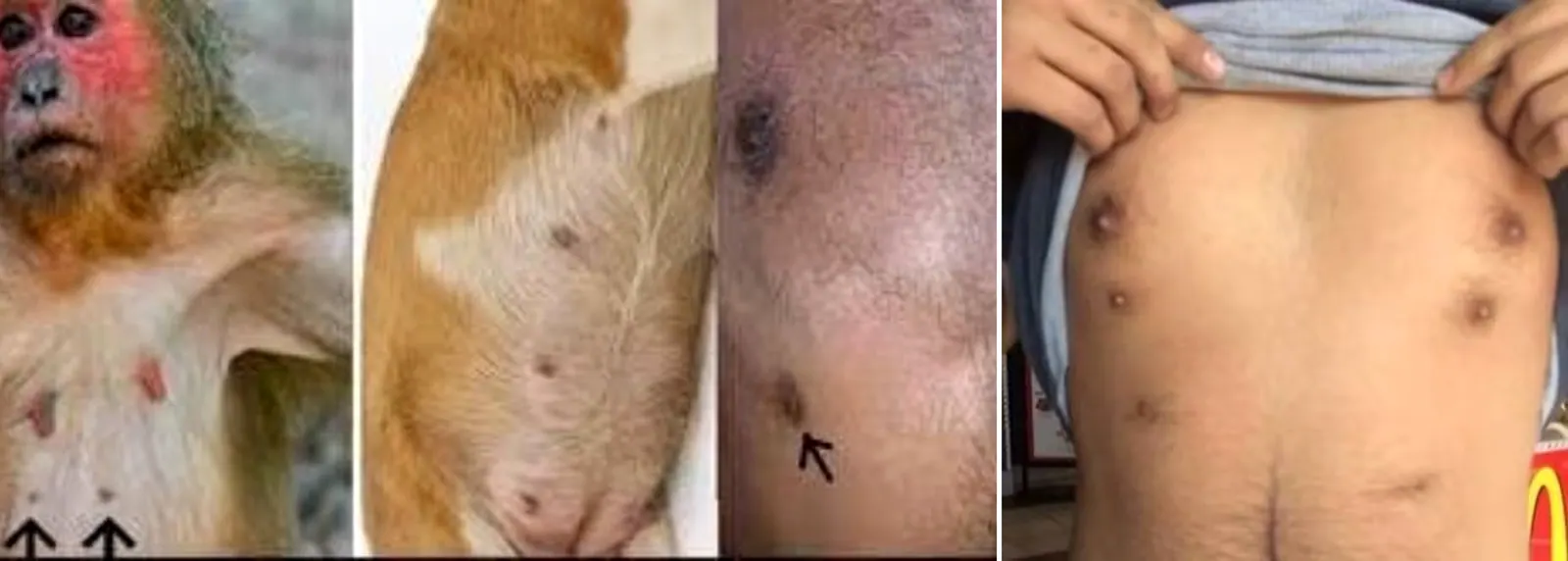
Supernumerary nipples, also known as polythelia, and milk lines are phenomena that have sparked interest in the scientific community. These characteristics are considered evolutionary remnants, showcasing a connection between humans and their mammalian ancestors. The presence of these features can be attributed to the genetic and embryonic development that humans share with other mammals.
During embryonic development, a structure known as the milk line or mammary ridge forms, extending approximately from the armpit to the groin area. This line typically regresses, leaving only one pair of mammary glands in the chest area. However, in some cases, parts of this structure may persist, manifesting as supernumerary nipples or additional breast tissue along the milk line.
The evolutionary explanation for these phenomena suggests that humans do not have a completely independent and new design but rather inherit ancient genetic programs that have evolved over millions of years. The conservation of these genetic programs across mammals, despite variations in the number and location of nipples, supports the idea of a common ancestor.
Studies in embryology, comparative anatomy, genetics, paleontology, and molecular biology all contribute to our understanding of human evolution. The presence of supernumerary nipples and milk lines in humans is not an isolated phenomenon but part of a larger pattern of evolutionary conservation across mammals.
The development of mammary glands in humans involves processes similar to those in other mammals, including cell condensation, formation of the milk line, and differentiation of breast tissue. These processes are regulated by molecular signals and genetic programs that have been conserved across different mammalian species.
While there are differences in the timing and details of mammary gland development among mammals, the underlying mechanisms are remarkably similar. This similarity supports the idea that humans and other mammals share a common evolutionary history.
In conclusion, supernumerary nipples and milk lines in humans are evolutionary remnants that reflect our shared ancestry with other mammals. Understanding these phenomena requires an interdisciplinary approach, incorporating insights from embryology, comparative anatomy, genetics, and evolutionary biology.
Key points
- Supernumerary nipples and milk lines in humans are evolutionary remnants that link us to our mammalian ancestors.
- These phenomena are a result of the conservation of genetic programs across mammals, despite variations in the number and location of nipples.
- The study of supernumerary nipples and milk lines contributes to our understanding of human evolution and the shared ancestry of mammals.