Protein is an essential nutrient for the human body, playing a critical role in muscle and bone growth, immune function, and tissue repair. The body's protein needs change across different life stages, from childhood to old age. For instance, children and adolescents require protein to support rapid growth and development, while adults need it to maintain muscle mass and repair tissues. Older adults, in particular, benefit from adequate protein intake to prevent muscle loss and maintain physical function.
The recommended daily intake of protein varies based on factors such as weight, age, and physical activity level. According to a report in the journal "Nutrients," healthy adults require about 0.8 grams of protein per kilogram of body weight per day. However, this requirement changes across different life stages. For example, infants from birth to 6 months need about 1.5 grams of protein per kilogram of body weight, primarily obtained from breast milk or formula. As children grow, their protein needs decrease but still remain higher than those of adults.
For children and adolescents, protein is crucial for growth and development. The recommended intake is as follows: 1.05 grams per kilogram for children aged 1-3 years, 0.95 grams per kilogram for those aged 4-13 years, and 0.85 grams per kilogram for teenagers aged 14-18 years. Adults aged 19-64 years require about 0.8 grams per kilogram of body weight per day. Older adults, aged 65 and above, may benefit from higher protein intake, around 1 to 1.2 grams per kilogram, to support muscle health and physical function.
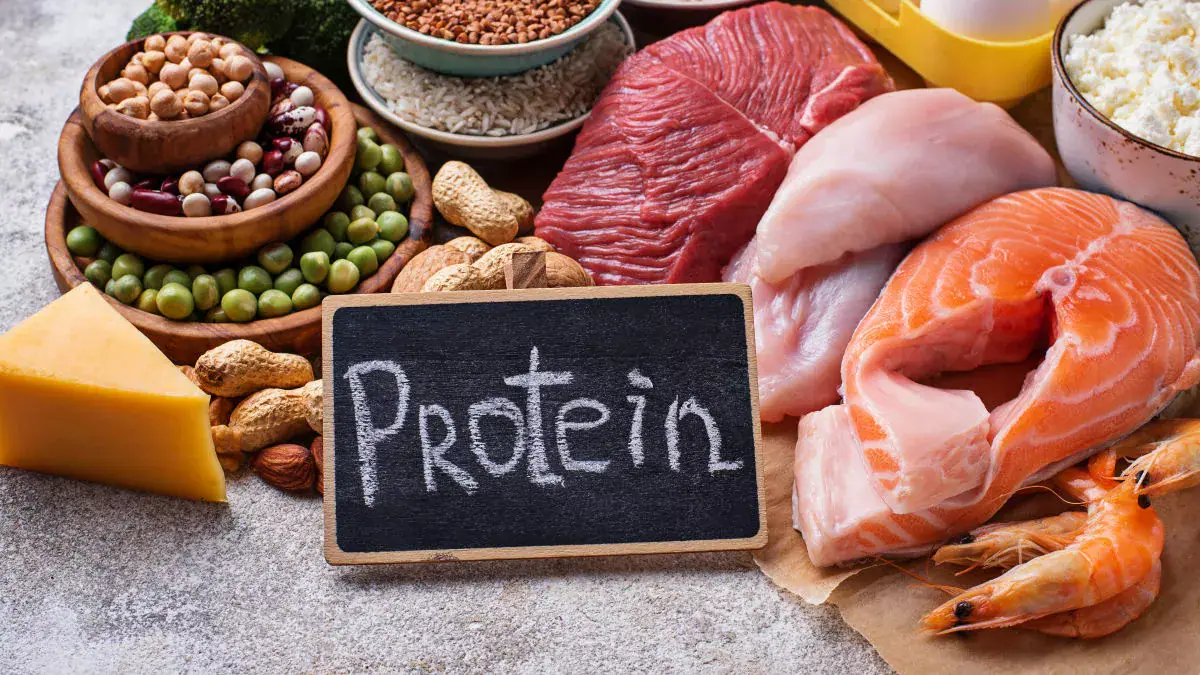
Protein needs can be met through a balanced diet that includes a variety of protein-rich foods. These foods include eggs, dairy products, legumes, nuts, seeds, fish, poultry, and lean meats. For individuals who engage in regular physical activity or strength training, protein intake may need to be higher to support muscle repair and growth. Additionally, older adults may require more protein to prevent age-related muscle loss.
It's essential to distribute protein intake evenly throughout the day rather than consuming it all in one meal. Adding protein-rich foods like eggs, yogurt, or nuts to each meal can help achieve this. For example, including eggs in breakfast, having a handful of nuts as a snack, and incorporating legumes or lean meats into lunch and dinner can help meet daily protein needs.
While protein is essential, consuming excessive amounts, especially through supplements, may not provide additional health benefits and could lead to nutritional imbalances. Individuals with certain medical conditions, such as chronic kidney disease, may need to limit their protein intake and should consult with a healthcare provider or registered dietitian for personalized recommendations.
Finally, understanding individual protein needs and adjusting intake accordingly can help support overall health and well-being. By incorporating a variety of protein-rich foods into their diet and being mindful of their protein needs, individuals can maintain muscle health, support immune function, and promote overall nutritional balance.
Key points
- Protein requirements vary across different life stages, ranging from 0.8 grams per kilogram of body weight per day for healthy adults to 1-1.2 grams per kilogram for older adults.
- A balanced diet with a variety of protein-rich foods, such as eggs, dairy, legumes, and lean meats, can help meet daily protein needs.
- Distributing protein intake evenly throughout the day and adjusting it based on physical activity level and health status can support overall health and well-being.