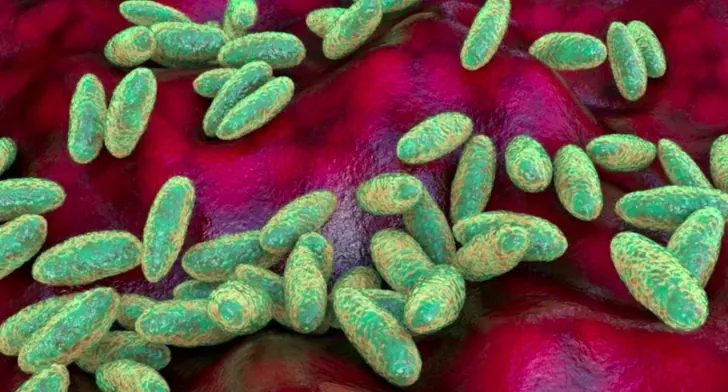
Pneumonic plague is a serious lung infection considered the most virulent form of plague. It can occur after an initial infection of bubonic or septicaemic plague. Symptoms include shortness of breath, chest pain, and coughing up blood. The global number of infections varies each year, with 1,000 to 3,000 cases reported, mostly bubonic plague, occurring in central Africa, Russia, India, China, and the United States.
According to Professor Piero Olliaro of the University of Oxford, plague has not disappeared, and the bacterium Yersinia pestis persists in animal reservoirs worldwide. Around 200 rodent species can harbor the bacterium, found across the Americas, Eurasia, and Africa. Sporadic human cases continue to occur, but established surveillance, infection-control measures, and effective antibiotic treatment help limit their impact.
Plague is an infectious disease caused by bacteria usually found in small mammals and their fleas. Human-to-human transmission of pneumonic plague is possible through coughing infected droplets into the air, which are then breathed in by another person, typically requiring close contact. You can also develop it if you have had septicaemic plague and the infection spreads into the lungs.
Dr. Zania Stamataki, Associate Professor of Viral Immunology at the University of Birmingham, emphasizes the importance of researchers studying diseases like plague. She notes that plague remains endemic in rodent populations across Africa, Asia, and the Americas, and human cases occur every year, including outbreaks of the pneumonic form. Diagnostics, vaccine development, and surveillance for antibiotic resistance require laboratories that hold and study the live organism.
According to the World Health Organization, pneumonic plague has a very short incubation period, sometimes just 24 hours. If not diagnosed and treated quickly, experts warn it is nearly always fatal. However, plague responds well to antibiotics if treatment starts early. Dr. Malick Gibani, Clinical Associate Professor in Bacterial Vaccinology at Imperial College London, notes that pneumonic plague is a severe manifestation of plague disease, treatable with antibiotics, particularly if started early.
In the Russian case, it is still unclear whether the person who died was infected by pneumonic plague. Russian authorities have issued a statement saying tests showed "no microorganisms associated with the patient's professional activities." US President Donald Trump said Washington was looking "very strongly" at the case, while the Centers for Disease Control (CDC) said there was "no indication of a broader threat to the United States."
The UK's Health and Safety Authority said it was seeking more information, but the risk to Britain's population was "very low." The World Health Organization has asked Russia for more information on the death, and Russian officials are still investigating the cause. Key points include:
Key points
- Pneumonic plague is a severe lung infection with a high mortality rate if left untreated.
- The disease can be transmitted through close contact with an infected person.
- Early antibiotic treatment can effectively treat pneumonic plague.