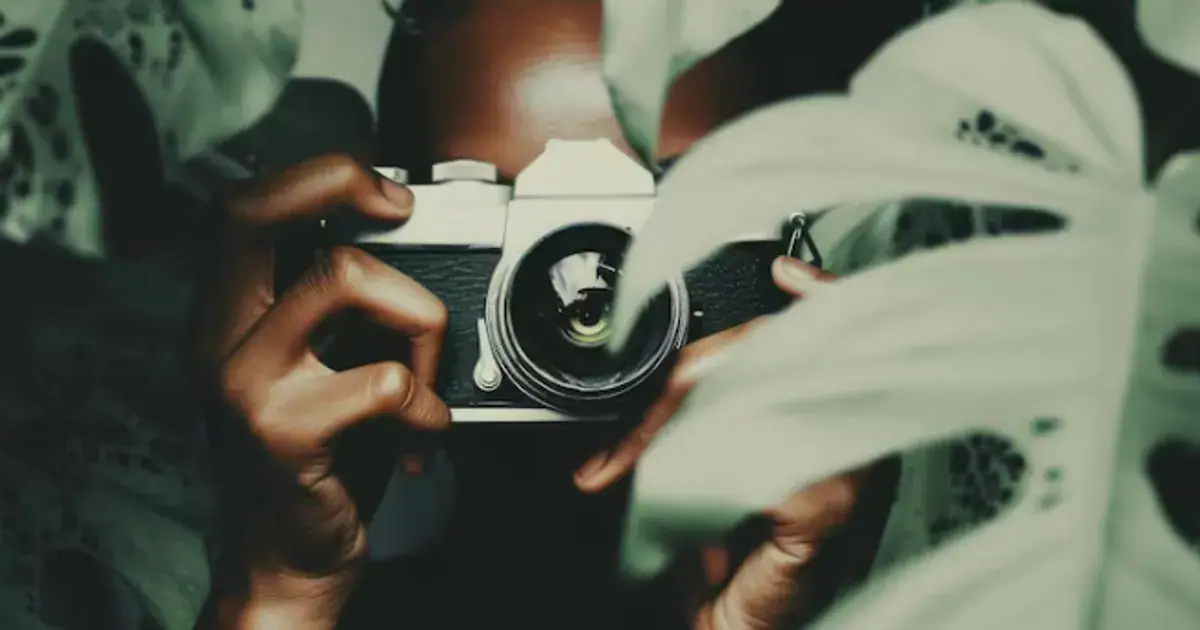
In Nigeria, the question of who owns photoshoot images often arises, with many assuming that payment for a photoshoot automatically transfers ownership. However, according to legal experts, this is not the case. The Copyright Act of 2022 and the Nigeria Data Protection Act of 2023 provide a framework for understanding ownership and privacy rights. By default, photographers own the copyright to the pictures they take, and paying for a shoot without a contract only buys a license for personal use.
The issue of photo ownership gained attention recently in a high-profile case involving photographer Edwin Blanco and his agency, Backgrid, who sued Jennifer Lopez in 2025 for posting photos of herself on Instagram. Blanco sought $300,000 in damages, arguing that Lopez's post was commercial self-promotion. Similar disputes have occurred in Nigeria, including a publicized case between actress Anita Joseph and content creator Ogechi Ukonu over photo ownership.
Legal experts, including Habeeb Eyinade from EandC Legal, emphasize that merely paying for a photograph does not mean one owns it. "Merely paying for the photograph does not mean you own it if you did not create it; ownership only transfers to the person who commissioned the work through an express provision in an agreement," Eyinade explains. He notes that copyright vests in the author of the work, which in the context of photography, is the photographer.
Funmilola M. Onalaja Esq., a Transactional and Advisory Lawyer at Mondial Solicitors, supports Eyinade's argument, drawing parallels with other creative professions. "It's just like writing. If you pay a writer to write you an article, it doesn't mean you own the copyright to the text. It belongs to the writer," she explains. The law allows parties to contract the ownership of a copyrighted item via a written contract.
To exclusively own photos, a written contract explicitly stating that the copyright is transferred is necessary. Eyinade notes that "the law also allows parties to contract the ownership of a copyrighted item via a written contract. For example, if you host a photoshoot at your company, invite a photographer to take pictures, and execute a contract stating that the ownership of the pictures belongs to the organisation that commissioned them, ownership goes to the person who paid for it."
In the digital age, it is essential to understand the implications of photo ownership and usage. Simply typing "Photo credit: @PhotographerName" in an Instagram caption does not magically grant the right to use their intellectual property, especially if used for commercial purposes. Additionally, screenshots do not cancel copyrights, and individuals must be aware of these nuances to avoid disputes.
Ultimately, understanding photo ownership in Nigeria requires knowledge of the Copyright Act of 2022 and the Nigeria Data Protection Act of 2023. By recognizing the rights of photographers and the importance of written contracts, individuals can avoid disputes and ensure that they have the necessary permissions to use photos for their intended purposes. KEY_POINT: Payment for a photoshoot in Nigeria does not automatically grant copyright ownership. KEY_POINT: A written contract is necessary to transfer copyright ownership. KEY_POINT: Photographers own the copyright to their work by default.