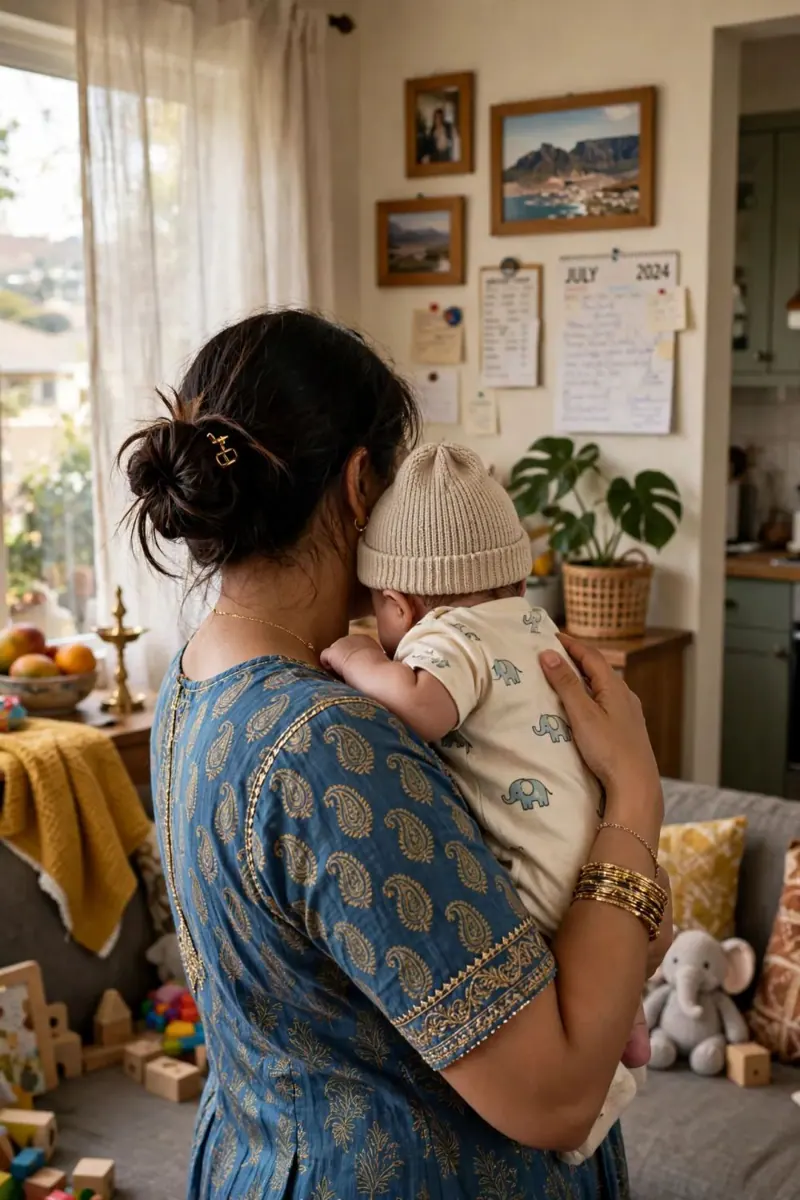
Parental burnout is a growing concern in South Africa, where economic pressures, work demands, safety concerns, and family logistics are taking a toll on parents. According to clinical and counselling psychologists, parental burnout is fundamentally different from ordinary tiredness, involving profound exhaustion, emotional distancing from children, and a sense of reduced effectiveness in the parental role. This condition is becoming increasingly common, and experts warn that standard advice to practice self-care is not only ineffective but also makes the problem worse.
The concept of "intensive parenting" has contributed to the rise in parental burnout. Modern parents feel personally responsible for optimizing every aspect of their child's development, from academics to emotional and social growth. Social media has amplified the pressure, with parents constantly exposed to images of ideal parents and children. This has created unrealistic expectations and a sense of guilt among parents who feel they are not meeting these standards. Experts argue that this model of parenting is unsustainable and contributes to burnout.
When exhausted parents are advised to practice self-care, it often feels like just another item on an already impossible to-do list. Telling a drowning parent to take a bath or meditate is well-meant but misses the point when there is no childcare, money is tight, and the mental load never clocks off. Self-care cannot compensate for the absence of social care, and experts argue that this approach places the blame back on the individual rather than addressing the root causes of burnout.
The "mental load" is a significant contributor to parental burnout. This refers to the invisible work of constantly anticipating, planning, remembering, and coordinating the household. Even when a parent is physically resting, their mind may still be occupied with what needs to be done next. In South Africa, this mental tax wears an economic hat, with parents navigating school fees, transport, security, and demanding working hours, leaving little psychological space for true recovery.
Experts agree that addressing parental burnout requires a shift away from expecting parents to simply "cope better" and toward actively lifting the weight they carry. Meaningful support looks like sharing the mental load, not just chores, and having practical, predictable relief. This can include partners owning half the responsibilities, family members stepping in for fixed weekly school pickups, accessible childcare, and workplace managers who understand that flexibility requires reasonable workloads.
Dropping perfectionism is also crucial in addressing parental burnout. Burnout feeds on the myth of the endlessly patient, perfect parent, and acknowledging limits is not a failure but a healthy psychological boundary. Children do not need superhuman, endlessly patient parents who operate in a state of quiet depletion; they need supported parents who are given the grace and community help to be human.
Ultimately, experts argue that no amount of self-care replaces real parental support. By acknowledging the root causes of parental burnout and working to address them, South Africa can begin to support its parents and, in turn, its children. By sharing the load and providing practical relief, parents can begin to recover from burnout and become the parents they want to be.
Key points
- Parental burnout is a growing concern in South Africa, and self-care advice is not enough to address the issue.
- The concept of "intensive parenting" and the mental load are significant contributors to parental burnout.
- Meaningful support, such as sharing the mental load and providing practical relief, is necessary to address parental burnout.