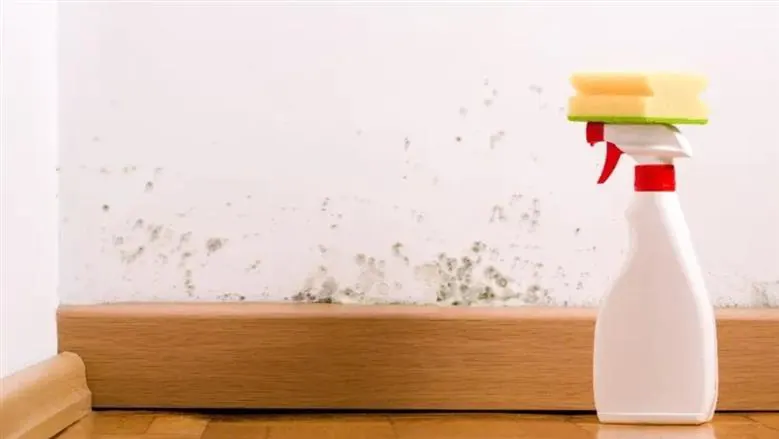
Mould is a natural fungus that can be found everywhere in the environment. It grows through microscopic cells that are floating in the air. For these cells to germinate and form colonies inside buildings, they require three basic conditions to be met: a source of food, suitable temperature, and moisture. Since most indoor temperatures are ideal for mould growth, and building materials like wood and plaster provide the necessary organic food, controlling moisture becomes the most critical factor in preventing mould growth.
Moisture can seep into walls through various means, with water leaks being the most destructive and rapid cause of mould formation. These leaks can come from faulty plumbing, roof damage, or poor construction. Water can also penetrate walls from the outside through cracks and crevices, especially during rainfall. In lower floors, structural defects in foundations can allow moisture from the soil to seep into the building.
Leaks from water supply pipes, sewage networks, and plumbing fixtures like toilets and bathtubs are hidden but common sources of moisture accumulation within wall cavities. Slow and continuous dripping can saturate panels and insulation materials without leaving visible traces on external surfaces. Rainwater can also infiltrate through roof leaks, usually at points where metal sheets are fixed, allowing water to pass through to the inside of the wall.
In addition to water leaks, vapour or moisture in the air is another significant factor in mould growth. When the relative humidity exceeds 60% consistently, mould activity accelerates. This vapour can condense on surfaces when the air cools to its dew point, turning into liquid water that feeds mould growth. This process often occurs on cold surfaces, especially during winter or in air-conditioned spaces.
The design and construction of buildings also play a role in mould growth. Thermal bridges, or weak points in insulation, can cause surfaces to be colder than the surrounding areas, leading to condensation and mould growth. Poorly sealed windows and doors can allow rainwater and wind-driven moisture to enter and saturate internal components.
Daily household activities like showering, cooking, and drying clothes release significant amounts of vapour into the air. Without adequate ventilation, this moisture accumulates on surfaces, providing the necessary conditions for mould growth. Mould needs organic material to feed on, which is often found in the structural elements of modern homes.
Controlling mould growth requires a comprehensive approach that includes identifying and fixing water leaks, improving ventilation, reducing humidity, and ensuring proper insulation and sealing of buildings. Regular maintenance and monitoring of indoor conditions can help prevent mould growth and the associated health risks.
Key points
- Mould growth is primarily caused by moisture, which can come from water leaks and humidity.
- Controlling moisture is the most critical factor in preventing mould growth.
- Identifying and fixing water leaks, improving ventilation, and ensuring proper insulation are essential steps in preventing mould growth.