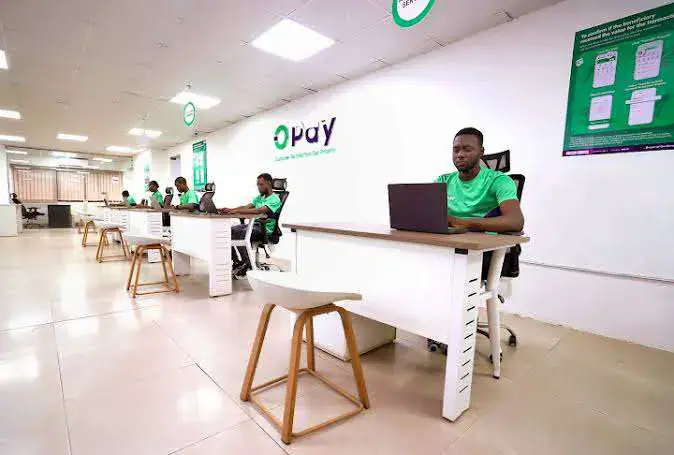
OPay, a Nigerian fintech company, rang the opening bell at the New York Stock Exchange on October 30, pricing its initial public offering at $19 a share. This move raised $304 million, setting a valuation of nearly $4 billion. However, by mid-afternoon, the exchange's message feed reported a trading halt with news pending. No shares had traded at that point. The company later stated that an outstanding regulatory requirement in a foreign jurisdiction was the reason for the halt, describing it as immaterial to its core operations.
The halt in trading does not appear to be a cancellation or rejection of the listing, according to OPay. As of the latest update, the shares still have not opened for trading. This development comes amid growing concerns over OPay's debt numbers. The firm recently admitted that over N200 billion of its outstanding credit in Nigeria cannot be collected. This figure is larger than what was initially reported in filings.
OPay wrote off $113.15 million in loans considered uncollectible in the six months to June 30, 2026. This represents a jump of more than 520 percent from the same period the previous year and exceeds the total amount written off in all of 2025. At mid-October exchange rates, this amount is roughly N151 billion. Additionally, $113.8 million in loans remained overdue as of June 30, equal to 27.4 percent of the $415.3 million owed to the company.
Despite the challenges with debt collection, OPay's lending operations continue to grow rapidly. The company originated $927.6 million in Nigerian loans in the first half of 2026, three times the amount from the prior year. Over the trailing twelve months, the company originated $1.56 billion in loans. Quarterly unique borrowers reached 6.7 million. By its own estimate, OPay accounted for roughly 57 percent of the value of Nigeria's digital loan disbursements in 2025.
OPay's non-performing loan ratio stands at 4.3 percent, which appears stronger than that of Nigerian banks. However, this comparison may not be directly comparable due to differences in accounting practices. Banks typically carry loans as doubtful for up to 180 days and do not write them off as losses until 360 days. In contrast, OPay writes off loans at 120 days. Borrowers have reported regular early-morning calls and harassment even after partial or full repayment.
Nigeria's Federal Competition and Consumer Protection Commission had banned harassment and third-party shaming in digital debt collection since January 2026. OPay's prospectus states that it caps marketing contact at twice a week and offers deferrals to distressed borrowers. However, reports indicate that OPay and its associated apps have been among the leading sources of borrower complaints. Despite these challenges, OPay's financial performance has been strong, reaching a $1 billion revenue run rate in the second quarter.
OPay grew revenue 137 percent year on year in the first half and closed that half with a 19 percent net margin and $90.87 million in profit after tax. The company had recorded a loss in 2024 before turning profitable in 2025. Lending now contributes more than half of OPay's revenue. The growth that produced the write-offs has also produced the profits that underpinned the IPO pricing. The trading halt leaves the valuation the company sought still untested by open-market prices.
Key points
- OPay's New York IPO listing was halted due to an outstanding regulatory requirement.
- The company's debt numbers have raised concerns, with over N200 billion of outstanding credit in Nigeria unable to be collected.
- Despite challenges, OPay's financial performance has been strong, with a $1 billion revenue run rate in the second quarter.