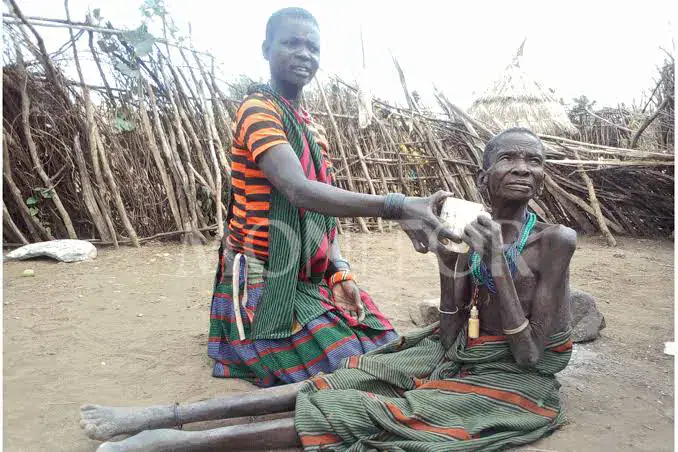
The United Nations has warned of worsening hunger in 16 global hotspots, including Uganda, over the coming six months, with famine threatening parts of Africa. The Food and Agriculture Organization (FAO) and World Food Programme (WFP) identified Sudan, South Sudan, Somalia, northern Nigeria and Yemen as areas facing the gravest threats, driven by conflict, displacement, economic hardship and extreme weather.
The number of hunger hotspots has risen from 13 in the previous report released in June, with Chad, Uganda, and parts of both southern Africa and Central America added to the list, while Lebanon was removed. The agencies warned that shrinking humanitarian funding was undermining efforts to avert catastrophe. Aid for the five countries facing the gravest hunger threats fell by two-thirds between 2022 and 2025.
The report, covering December 2026 to May 2027, highlighted that armed conflict and violence were driving hunger in 12 of the 16 hotspots, while soaring food, energy and transport costs were further eroding people's ability to feed themselves. The agencies also warned that the developing El Niño weather pattern could aggravate the crisis, bringing drought and extreme temperatures to southern Africa and parts of central America.
In Sudan, famine is a risk in 13 areas of North Darfur and South Kordofan through January 2027, with fighting disrupting food production, markets and aid deliveries. The agencies also identified famine risks among displaced people in Somalia's Baidoa region and in parts of South Sudan, where escalating violence has compounded an already desperate humanitarian situation.
Other countries classified as areas of very high concern include Afghanistan, Haiti, the Democratic Republic of Congo and the Palestinian enclave Gaza. Gaza was downgraded from the highest level of concern following improvements in food security since an October 2025 ceasefire, although the agencies warned that conditions remained severe and fragile.
According to Conor Elliott, a senior official in FAO's emergencies and resilience office, the cuts in humanitarian funding were also undermining the collection of data needed to assess the scale of the crisis. He warned that some areas were likely to swing from drought conditions to heavy rains in the coming months, potentially leading to destructive flooding.
The UN agencies urged for immediate action to address the growing hunger crisis, emphasizing the need for sustained humanitarian support to prevent further deterioration. The situation remains critical, with millions of people facing severe food insecurity and the risk of famine looming large in several regions.
Key points
- The number of hunger hotspots has risen from 13 to 16, with Uganda added to the list.
- Shrinking humanitarian funding is undermining efforts to avert catastrophe, with aid for the five countries facing the gravest hunger threats falling by two-thirds between 2022 and 2025.
- The developing El Niño weather pattern could aggravate the crisis, bringing drought and extreme temperatures to southern Africa and parts of central America.