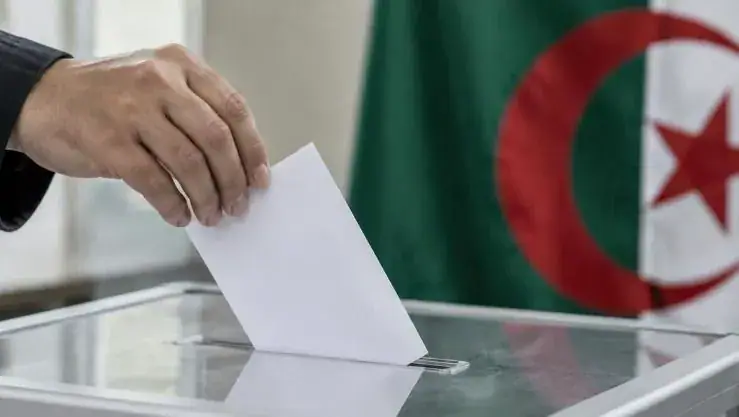
Algerians began voting on Saturday to elect representatives to municipal and provincial councils, a crucial step in the country's democratic process. Over 24 million citizens are eligible to cast their ballots for members of local councils that will serve five-year terms. The voting process started at 8am across the country, with citizens choosing representatives to manage daily affairs and implement development programs.
This election is seen as an important milestone in consolidating participatory democracy and strengthening trust between citizens and their elected institutions. The newly elected councils are expected to be efficient and effective in addressing citizens' concerns and translating development programs into tangible reality. In the run-up to the election, political parties and independent lists organized numerous public gatherings and neighborhood activities.
The electoral campaign, which lasted 20 days, was marked by a strong commitment to the charter of ethics for electoral practices. According to the Independent National Electoral Authority, no breaches of the political code were recorded during the campaign. The election of municipal and provincial council members is conducted using a proportional voting system with open lists and preferential voting.
The voting system allows citizens to choose one or more candidates from their preferred list, up to the number of seats available in the constituency. Voters can also opt for a single list without being bound by the pre-established order of names. The allocation of seats is determined by the number of votes received by each list, with a legal threshold for seat distribution.
There are 24,236,959 eligible voters in Algeria, competing for seats are 6052 electoral lists, divided into 428 lists for provincial elections and 5624 for municipal elections. These lists comprise 5765 party lists, 24 party coalitions, and 263 independent lists, according to the Independent National Electoral Authority. The elected councils will play a crucial role in local governance.
The elected council members will be responsible for managing local affairs, implementing development projects, and addressing citizens' concerns. The five-year term of the councils will provide an opportunity for citizens to assess their performance and impact on local communities. The election outcome will also shape the country's democratic trajectory.
The Algerian government has taken steps to ensure the integrity and transparency of the electoral process. The Independent National Electoral Authority has been working to promote voter education and awareness, and to prevent any potential irregularities. The election results are expected to be announced in the coming days, marking a significant step in Algeria's democratic journey.
Key points
- Over 24 million Algerians are eligible to vote in the election.
- The voting system is proportional with open lists and preferential voting.
- 6052 electoral lists are competing for seats in municipal and provincial councils.