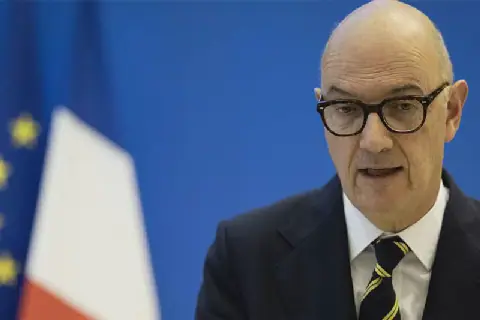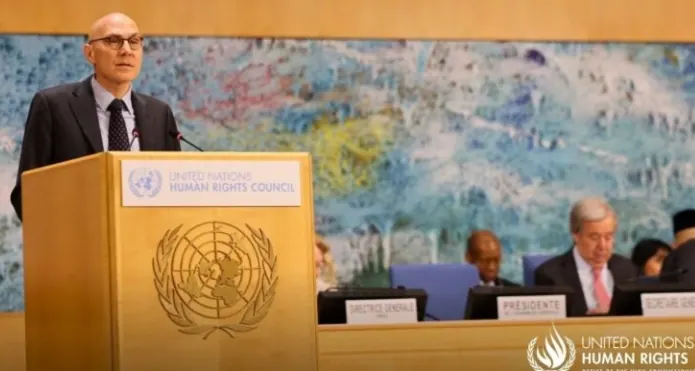
The United Nations human rights chief, Volker Türk, has cautioned that Artificial Intelligence (AI) bias and police discrimination are propelling endemic racism against Africans. Speaking at a high-level dialogue on reparatory justice in Geneva, Türk emphasized that systemic racism continues to affect access to essential services, including jobs, healthcare, housing, and justice, for Africans and people of African descent.
Türk highlighted that institutions, economic inequalities, and emerging technologies like AI are reinforcing systemic racism. He warned that if not addressed, these technologies could deepen racial disparities. The UN human rights chief cited concerns about policing and criminal justice systems, noting that police in various regions are more likely to use force against people of African descent, who are also overrepresented in prisons.
The consequences of historical injustices, including slavery, the transatlantic trade in enslaved Africans, and colonialism, continue to influence economic opportunities, political representation, and access to essential services. Türk provided examples of everyday racism, such as persistent poverty, employment and housing discrimination, unequal healthcare treatment, and the underestimation of students' abilities in schools.
The UN High Commissioner for Human Rights linked historical exploitation to present-day global economic inequalities. He noted that many developing countries, including former colonies, face unsustainable debt that constrains investment in domestic priorities. This has resulted in significant economic challenges for these nations.
Türk called for reforms to the international financial architecture to alleviate debt pressures and give African countries a greater voice in global economic decision-making. He emphasized that reparatory justice should not be limited to financial compensation but should also involve acknowledging historical wrongs, addressing their ongoing consequences, and preventing future discrimination.
The UN human rights chief stressed that reparatory justice encompasses various forms of redress, including financial compensation, restitution, rehabilitation, satisfaction, and guarantees of non-repetition. He urged stakeholders to engage in a broader process of acknowledging historical injustices and addressing their lasting impacts.
Ultimately, Türk's address highlighted the need for a comprehensive approach to address systemic racism and its ongoing consequences. His remarks underscored the importance of acknowledging historical wrongs, promoting reparatory justice, and preventing future discrimination against Africans and people of African descent.
Key points
- UN human rights chief Volker Türk warns AI bias and police discrimination are exacerbating systemic racism against Africans and people of African descent.