The UN Security Council has once again urged the Rwandan Defence Forces (RDF) to withdraw immediately and without condition from the territory of the Democratic Republic of Congo. This call was made during the French presidency of the Security Council, which concluded with a briefing on the situation in the DRC. The briefing, held on September 29, 2026, included presentations from James Swan, the UN Special Representative in the DRC and head of MONUSCO, and other representatives of UN member states.
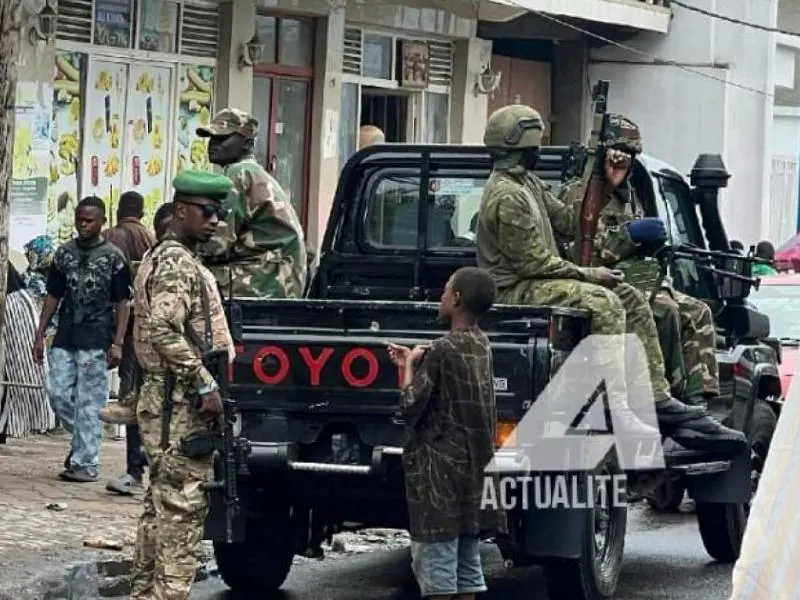
The RDF have been considered by the UN and other international partners of the DRC as key allies of the AFC/M23 rebellion in the conquest and occupation of large areas of the North Kivu and South Kivu provinces. The Security Council members emphasized the need for the RDF to cease all support to the M23 and withdraw from the DRC, in accordance with Resolution 2773. This resolution aims to bring an end to the conflict and promote peace and stability in the region.
The Security Council also called on the parties to the conflict to respect their commitments and make progress in the ongoing political and security processes. They reiterated their support for MONUSCO, as outlined in Resolution 2808, which renewed the mission's mandate until December 2026. The council emphasized the importance of MONUSCO's efforts to maintain peace and security in eastern DRC.
The Security Council members expressed deep concern over the humanitarian consequences of the ongoing conflict in eastern DRC and the Ebola outbreak. They called for increased support for the revised 2026 humanitarian response plan and urged all parties to comply with their obligations under international humanitarian law. The council also emphasized the need for safe, rapid, and unhindered humanitarian access.
According to a report by the UN Group of Experts, the RDF have continued to provide military support to the AFC/M23, including the deployment of advanced military equipment and technology. The report, submitted to the Security Council Committee on May 8, 2026, estimated that the RDF had deployed between 8,000 to 10,000 troops in South Kivu and 6,000 to 8,000 troops in North Kivu. The report also documented the ongoing presence of RDF forces and their engagement in several fronts.
The UN Group of Experts report also highlighted the RDF's ability to deploy rapidly specialized assets, including drones, electronic warfare equipment, and special forces. The report concluded that the RDF's support to the AFC/M23 has been sustained, with a significant impact on the conflict dynamics in eastern DRC. The Security Council's call for the RDF's withdrawal is seen as a critical step towards reducing tensions and promoting peace in the region.
The situation in eastern DRC remains volatile, with the AFC/M23 controlling large areas of North Kivu and South Kivu provinces. The conflict has resulted in significant humanitarian needs, with thousands of people displaced and affected by the violence. The international community continues to monitor the situation closely, with the UN playing a key role in promoting peace and stability in the region.
Key points
- The UN Security Council has reiterated its call for the immediate and unconditional withdrawal of Rwandan forces from the Democratic Republic of Congo.
- The RDF have been accused of providing military support to the AFC/M23 rebellion, which controls large areas of North Kivu and South Kivu provinces.
- The Security Council has also expressed deep concern over the humanitarian consequences of the conflict and the Ebola outbreak in eastern DRC.