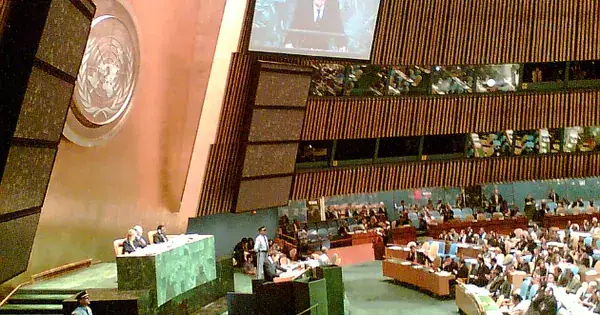
The United Nations is winding down its peacekeeping mission in Western Sahara after the Security Council failed to extend its mandate. The mission, known as MINURSO, was established in 1991 to monitor a ceasefire between Morocco and the Polisario Front. The ceasefire was brokered by the UN, but a referendum on the territory's future was never held due to disagreements over voter eligibility. The UN Secretary-General has declared the start of the mission's liquidation phase.
Morocco welcomed the development, with Foreign Minister Nasser Bourita stating that the mission's original responsibility to organize a referendum was no longer relevant. He described the reference to a referendum in the mission's name as an "anachronism". Morocco claims Western Sahara as part of its territory, while the Polisario Front, backed by Algeria, seeks independence. The Security Council's decision comes a year after it adopted a resolution supporting Morocco's autonomy plan for the territory.
The US supported Morocco's autonomy plan, while Russia abstained from the vote last year and vetoed a similar resolution this year. The proposed resolution would have strengthened the UN's support for Morocco's autonomy plan and reduced the peacekeeping force. However, the Security Council rejected a separate Russian resolution, leaving MINURSO without a new mandate.
The end of MINURSO removes an international peacekeeping presence that has monitored the ceasefire for over three decades. The dispute over Western Sahara remains unresolved, with Morocco and the Polisario Front holding opposing positions on the territory's political status. Algeria, which supports the Polisario Front, strongly criticized the decision, accusing the US of showing excessive support for Morocco's position.
The Polisario Front also expressed concern over the Security Council's failure to reach an agreement. The group has sought an independent state in Western Sahara since Spain, the former colonial power, withdrew in 1976. Morocco has controlled most of the territory since then. The UN peacekeeping operation was established to monitor the ceasefire and organize a referendum, but the referendum never took place.
The liquidation phase of the mission will involve returning equipment and assets to contributing countries. The decision not to renew MINURSO could help remove the Western Sahara dispute from the Security Council's agenda, according to Morocco's royal palace. However, the move has raised concerns about the future of the territory and the potential for renewed conflict.
The UN's decision has sparked mixed reactions, with some countries supporting Morocco's autonomy plan and others backing the Polisario Front's call for independence. The situation remains uncertain, with the future of Western Sahara and the role of the international community in resolving the dispute still unclear.
Key points
- The UN Security Council's decision not to extend the peacekeeping mandate for Western Sahara has created uncertainty about the territory's future.
- Morocco welcomes the decision, while the Polisario Front and Algeria express concern.
- The end of the peacekeeping mission removes an international presence that has monitored the ceasefire for over three decades.
Reporting sources
- UNSC refuses peacekeeping force mandate for Western Sahara · kenyastar.com