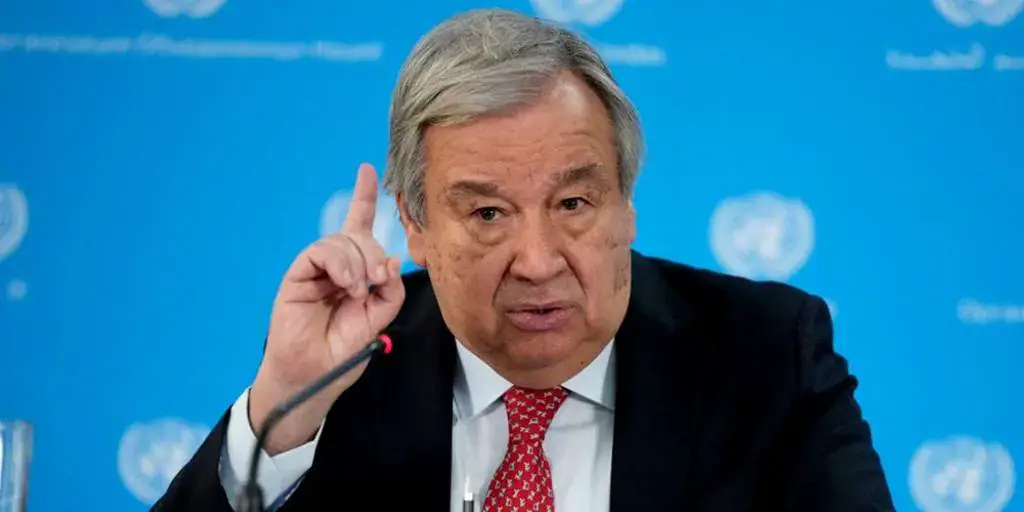
On October 31, 2026, United Nations Secretary-General Antonio Guterres addressed the recent expiration of the MINURSO mandate, which was responsible for monitoring the ceasefire in Western Sahara. Guterres emphasized that the end of the mandate does not diminish the inalienable right of the Sahrawi people to self-determination. This statement was made through a spokesperson, as the Secretary-General reiterated the UN's commitment to supporting both parties in the conflict to reach a fair, just, and lasting political solution.
The Secretary-General's statement aimed to counter interpretations by Morocco, which sought to capitalize on the situation to legitimize its occupation. The Moroccan government had been pushing for a resolution that would have recognized its sovereignty over Western Sahara. However, the resolution was vetoed by Russia, citing concerns over the biased approach that undermined the UN's credibility. Guterres stressed that the MINURSO mission was established to protect and serve the Sahrawi people, particularly in exercising their right to self-determination.
The UN Secretary-General expressed concern over the security situation in the region and the risk of escalating hostilities. He urged all parties to exercise restraint and refrain from actions that could exacerbate tensions or undermine regional stability. Guterres also reiterated the UN's commitment to supporting a peaceful solution to the conflict through the personal envoy, Stefan de Mistura. The UN remains ready to facilitate efforts to promote dialogue and find a lasting resolution.
The situation in Western Sahara has been a longstanding concern for the international community. The Sahrawi people have been seeking self-determination and independence from Morocco, which has maintained control over the territory since the 1970s. The UN has been involved in efforts to resolve the conflict, including the establishment of MINURSO in 1991. The expiration of the mandate has raised concerns about the potential for renewed violence and instability in the region.
The Algerian government expressed disappointment over the failure to renew the MINURSO mandate, citing concerns that the decision would undermine efforts to find a peaceful solution. Algeria has been a key player in regional efforts to address the conflict and has supported the Sahrawi people's right to self-determination. The government emphasized the need for a fair and lasting solution that recognizes the rights of the Sahrawi people.
The conflict in Western Sahara has significant implications for regional stability and security. The situation has been closely monitored by the international community, with the UN playing a key role in efforts to find a peaceful resolution. The Sahrawi people's right to self-determination remains a central issue in the conflict, with Morocco maintaining its claim to sovereignty over the territory.
The UN Secretary-General's statement serves as a reminder of the organization's commitment to upholding the rights of the Sahrawi people. The situation in Western Sahara remains a complex and challenging issue, with a lasting solution requiring the cooperation of all parties involved. The international community continues to urge restraint and a commitment to finding a peaceful resolution that recognizes the rights of the Sahrawi people.
Key points
- The UN Secretary-General affirms Western Sahara's inalienable right to self-determination.
- The expiration of the MINURSO mandate does not negate the Sahrawi people's right to self-determination.
- The UN remains committed to supporting a peaceful solution to the conflict through dialogue and negotiation.