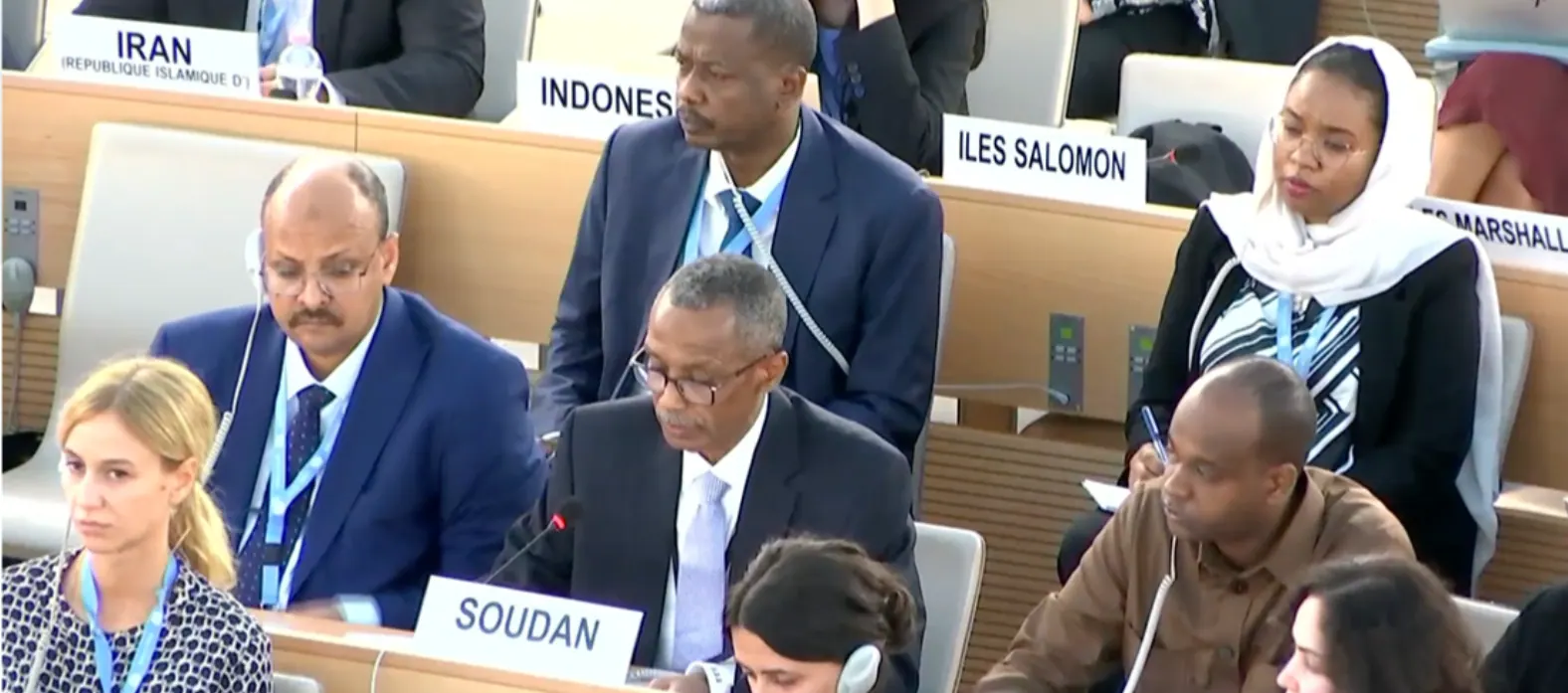
The United Nations Human Rights Council has extended the mandate of an independent fact-finding mission investigating alleged rights violations in Sudan for one year. The 47-member council adopted the resolution with 28 votes in favor, 10 against, and nine abstentions. This decision was made despite opposition from Sudan and some of its allies. The mission aims to investigate human rights abuses and provide recommendations for accountability.
The resolution condemns external interference in Sudan's war, including the supply of weapons and deployment of foreign fighters and mercenaries. It calls on Sudan's warring parties and outside actors to respect the country's sovereignty and territorial integrity. The resolution also urges compliance with relevant U.N. Security Council resolutions, including the arms embargo on Darfur. Egypt and Qatar voted against the resolution, citing concerns over sovereignty and the perceived equivalence between the Sudanese army and the Rapid Support Forces.
Sudan's representative expressed concerns over the resolution's impact on the country's sovereignty and its failure to address alleged Rapid Support Forces violations. The representative also noted that Sudan's judicial system was not recognized in the resolution. Despite this, Khartoum remains committed to cooperating with U.N. human rights mechanisms. Britain's representative, on the other hand, emphasized the need for accountability for serious abuses documented in the mission's reports.
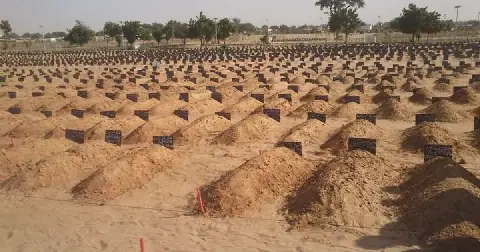
The humanitarian situation in Sudan remains dire, with over 33 million people in need of assistance, 11.3 million internally displaced, and 4.6 million having fled to neighboring countries. The resolution also highlights that 19.5 million people face severe food insecurity. The council has called for an immediate and unconditional ceasefire, unhindered humanitarian access, and an inclusive, civilian-led political transition leading to democratic elections.
The conflict in Sudan began in April 2023, when fighting erupted between the army and the Rapid Support Forces, resulting in thousands of deaths and millions of displacements. The fact-finding mission was established to investigate human rights abuses and provide recommendations for accountability. The mission's extension is seen as a crucial step towards ensuring that those responsible for abuses are held accountable.
The U.N. Human Rights Council's decision to extend the fact-finding mission has been met with mixed reactions. While some countries, like Britain, support the move, others, like Egypt and Qatar, have expressed concerns. The council's resolution emphasizes the need for respect for Sudan's sovereignty and territorial integrity, as well as compliance with U.N. Security Council resolutions.
The situation in Sudan remains volatile, with ongoing fighting and humanitarian needs. The international community continues to call for a peaceful resolution to the conflict. The fact-finding mission's extension is expected to provide further documentation of human rights abuses and recommendations for accountability, which could inform future actions by the U.N. and other stakeholders.
Key points
- The UN Human Rights Council extended the mandate of the fact-finding mission investigating alleged rights violations in Sudan for one year.
- The conflict in Sudan has resulted in over 33 million people needing humanitarian assistance, 11.3 million internally displaced, and 4.6 million fleeing to neighboring countries.
- The council called for an immediate and unconditional ceasefire, unhindered humanitarian access, and an inclusive, civilian-led political transition leading to democratic elections.