A recent report by the United Nations Office on Drugs and Crime (UNODC) has identified illicit drug trafficking as a significant threat to public health in Central Africa. The report, co-signed with the World Health Organization (WHO) and the Economic and Monetary Community of Central Africa (CEMAC), notes that the region's poor health indicators and limited access to essential medicines create an environment conducive to the development of an illicit market.
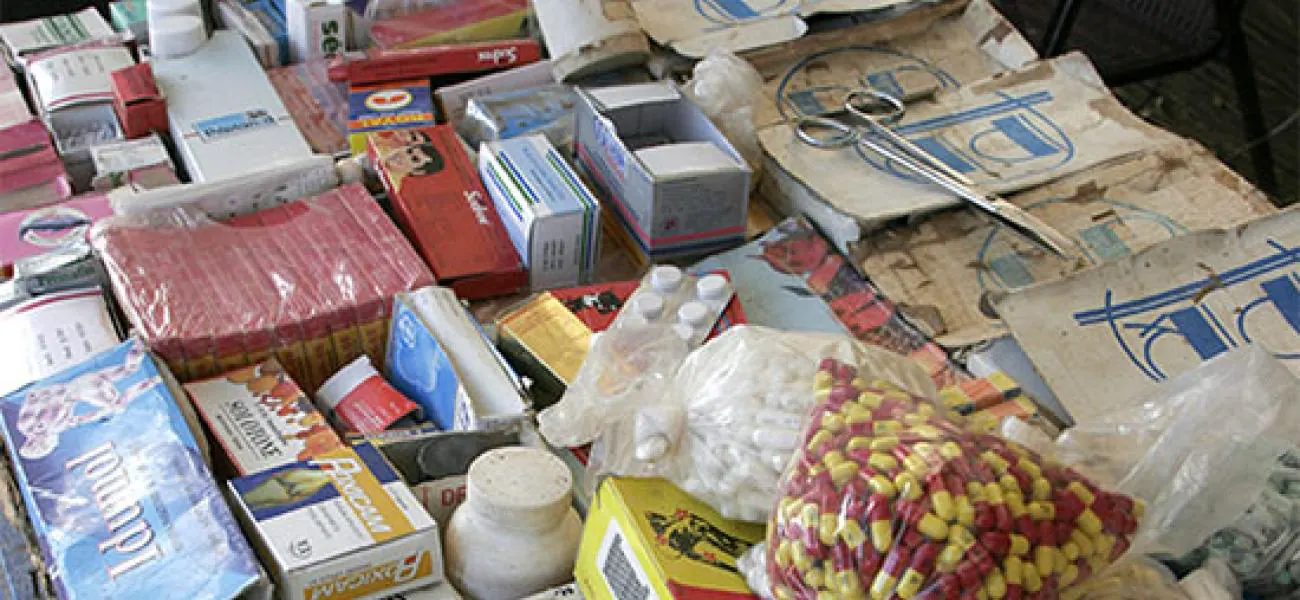
The UNODC report highlights that the trafficking of counterfeit, substandard, or unapproved medicines is a major concern in the six CEMAC countries, which have some of the world's most unfavorable health indicators. The gap between healthcare needs and access to safe and affordable products has led to the emergence of an illicit market, with seized medicines including antibiotics, antimalarial drugs, painkillers, and psychoactive substances like tramadol and pregabalin.
Between 2020 and 2025, authorities in Cameroon, Gabon, Chad, Congo, Equatorial Guinea, and the Central African Republic seized at least 251 tonnes of illicit medicines. The report notes that this trafficking has intensified and diversified in recent years, with serious consequences for public health. The illicit trade in medicines contributes to treatment failures, poisoning, and avoidable deaths, while also fueling the development of antimicrobial resistance.
The UNODC report warns that the products of illicit trafficking sometimes end up in authorized healthcare structures, which are generally perceived as safe by patients. The WHO estimates that, in 2017, the consumption of substandard or falsified medicines in sub-Saharan Africa was associated with hundreds of thousands of deaths annually. The report calls for strengthened international cooperation to combat the phenomenon.
Illicit medicines are often smuggled into the region through ports, then transported along major highways, taking advantage of porous borders. Air freight and passenger luggage are also used to transport these products. The report notes that armed groups in certain regions of Cameroon, Chad, and the Central African Republic are involved in the trafficking, through the looting of health centers, resale of products, or extortion of "taxes" on convoys.
The UNODC report emphasizes that the illicit trafficking of medicines not only threatens public health but also fuels organized crime and undermines public institutions. It also contributes to the non-medical use of products associated with addiction. The report calls for a concerted effort to address the issue, including strengthened international cooperation and improved regulation of the pharmaceutical sector.
The UNODC and its partners are urging governments and stakeholders to take action to address the issue of illicit drug trafficking in Central Africa. This includes improving access to essential medicines, strengthening regulatory frameworks, and enhancing cooperation between law enforcement agencies and healthcare authorities to disrupt and dismantle trafficking networks.
Key points
- Illicit trafficking of medicines in Central Africa poses a significant threat to public health, with 251 tonnes of seized medicines between 2020 and 2025.
- The trafficking of counterfeit, substandard, or unapproved medicines fuels organized crime and undermines public institutions in the region.
- Strengthened international cooperation and improved regulation of the pharmaceutical sector are essential to combat the phenomenon of illicit drug trafficking in Central Africa.