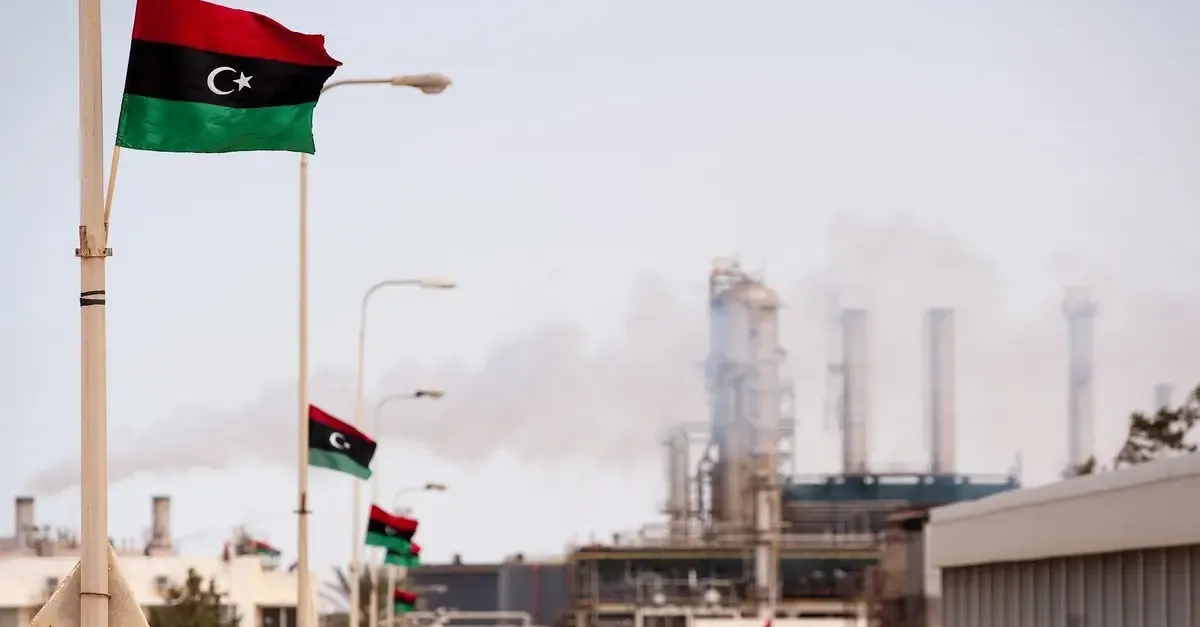
The UN Support Mission in Libya has voiced its concern over the ongoing closure of a key oil pipeline connecting Sharara and Zawiya. This shutdown has significant repercussions on Libya's primary national income source, leading to substantial losses in oil production and public revenues. The mission warned of potential risks associated with shortages in fuel supplies, electricity generation, and other vital services that Libyans depend on across the country.
Continued closure of the pipeline for an extended period will increase the need for fuel imports, placing additional pressure on public finances. The UN mission recognizes the right of workers to peacefully express their legitimate social and economic demands. However, it urges all concerned parties to ensure the safety of oil and energy facilities, allowing technical and operational teams to access and maintain them safely.
The mission emphasized that oil, energy, and public infrastructure must remain separate from political and security conflicts, which should be resolved through peaceful means. These resources should be protected in a manner that serves the interests of all Libyans. The UN mission recalled that attacks on Libya's oil and energy infrastructure, or actions that could undermine them, may lead to punitive measures under relevant UN Security Council resolutions, including Resolution 2213 (2015).
The UN Support Mission in Libya is urging relevant authorities and security agencies to take urgent action to resolve any disputes related to the oil facilities peacefully. This is crucial to resume crude oil flow and protect operations at the Zawiya refinery and associated facilities. The situation highlights the need for a swift resolution to prevent further economic and humanitarian impacts on the country.
The closure of oil facilities has significant implications for Libya's economy, which heavily relies on oil exports. Any prolonged disruption could exacerbate existing economic challenges and hinder the country's recovery. The international community is closely monitoring the situation, emphasizing the importance of protecting critical infrastructure and finding peaceful solutions to disputes.
Libya's oil sector has faced numerous challenges in recent years, including disruptions due to conflict and protests. The UN mission's statement underscores the need for stability and security in the sector to ensure the country's economic well-being. Efforts to address the concerns of workers and other stakeholders must be balanced with the imperative of maintaining essential services and infrastructure.
The situation in Libya remains volatile, with various factors influencing the stability of the oil sector. The UN Support Mission in Libya continues to play a critical role in advocating for peaceful resolutions to conflicts and supporting efforts to restore stability and security in the country.
Key points
- The UN mission warns of significant economic and humanitarian impacts due to the closure of a major Libyan oil pipeline.
- The closure could lead to increased fuel imports and additional pressure on public finances.
- The mission urges a peaceful resolution to disputes to protect critical infrastructure and ensure the country's economic stability.