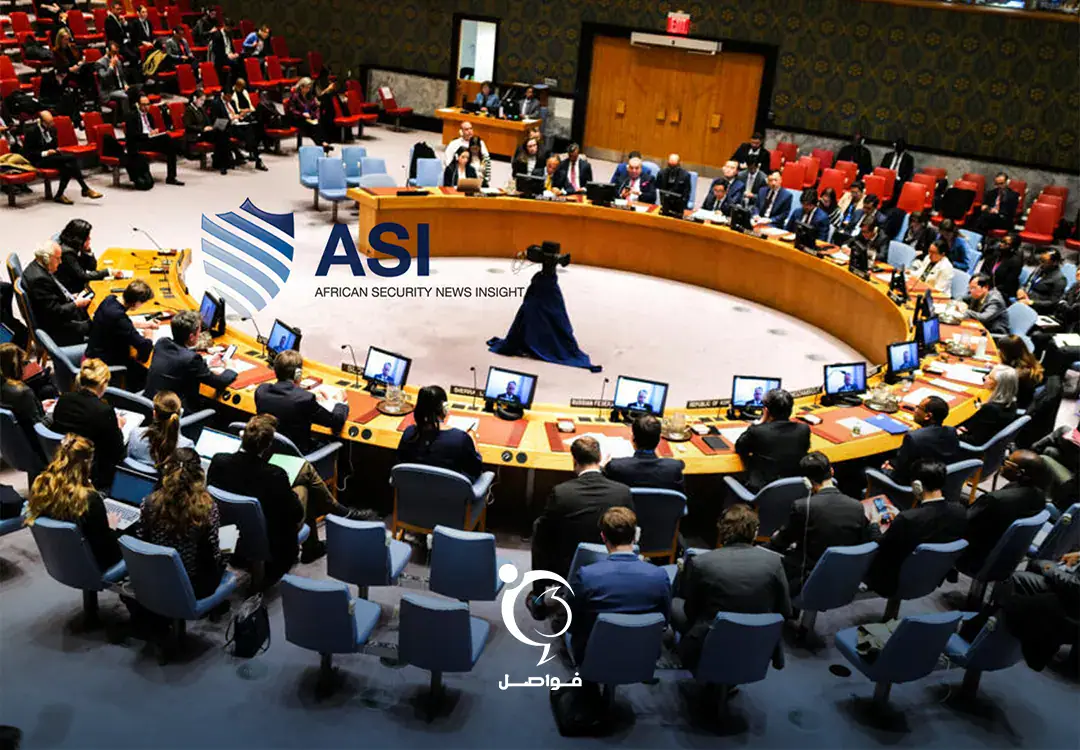
The African Security Analysis Institute has stated that the UN Security Council's decision to extend the mandate of the UN Support Mission in Libya (UNSMIL) until October 31, 2027, maintains international support for the political process. However, it does not address existing disputes between Libyan institutions over the management of the transitional period. The extension was approved unanimously on October 30 through Resolution 2835.
According to the institute, the extension provides continuity for the UN mission's diplomatic role but does not guarantee a political settlement acceptable to all Libyan parties or ensure the conduct of elections. The 4+4 mechanism sponsored by UNSMIL has made progress in restructuring the High National Elections Commission and reviewing the legal framework for elections. Nevertheless, disagreements between the House of Representatives and the State Council over the legal and procedural basis for the agreement remain.
The disputes between Libyan institutions are not limited to electoral aspects but also extend to the distribution of powers, influence, and control over public institutions and resources. The institute warns that the 4+4 mechanism could become a new arena for power struggles rather than overcoming institutional divisions. It is likely that negotiations on forming transitional institutions and their powers will continue, rather than moving quickly towards elections.
The African Security Analysis Institute's assessment suggests that the extension of UNSMIL's mandate gives the political process another year but does not guarantee a settlement to end the crisis. The UN mission's role is crucial in supporting Libyan parties to reach a peaceful resolution. However, the complexity of the issues and the deep-seated divisions between Libyan institutions pose significant challenges.
The UN Security Council's decision to extend UNSMIL's mandate reflects the international community's commitment to supporting Libya's transition. The extension also underscores the need for a negotiated settlement to the conflict. Libyan parties must work together to address the country's challenges and ensure a peaceful and stable future.
The 4+4 mechanism has been working to facilitate dialogue between Libyan parties and make progress on key issues, including elections and institutional reform. While some progress has been made, much work remains to be done to create a stable and inclusive political environment. The international community will continue to play a supporting role in Libya's transition.
The extension of UNSMIL's mandate has been welcomed by Libyan parties, who recognize the importance of international support in their efforts to build a stable and democratic country. The coming year will be crucial in determining the success of Libya's transition and the ability of its institutions to address the country's challenges.
Key points
- The UN Security Council has extended the mandate of its Libya mission until October 31, 2027.
- The extension maintains international support for the political process but does not guarantee a political settlement.
- Libyan parties must work together to address the country's challenges and ensure a peaceful and stable future.