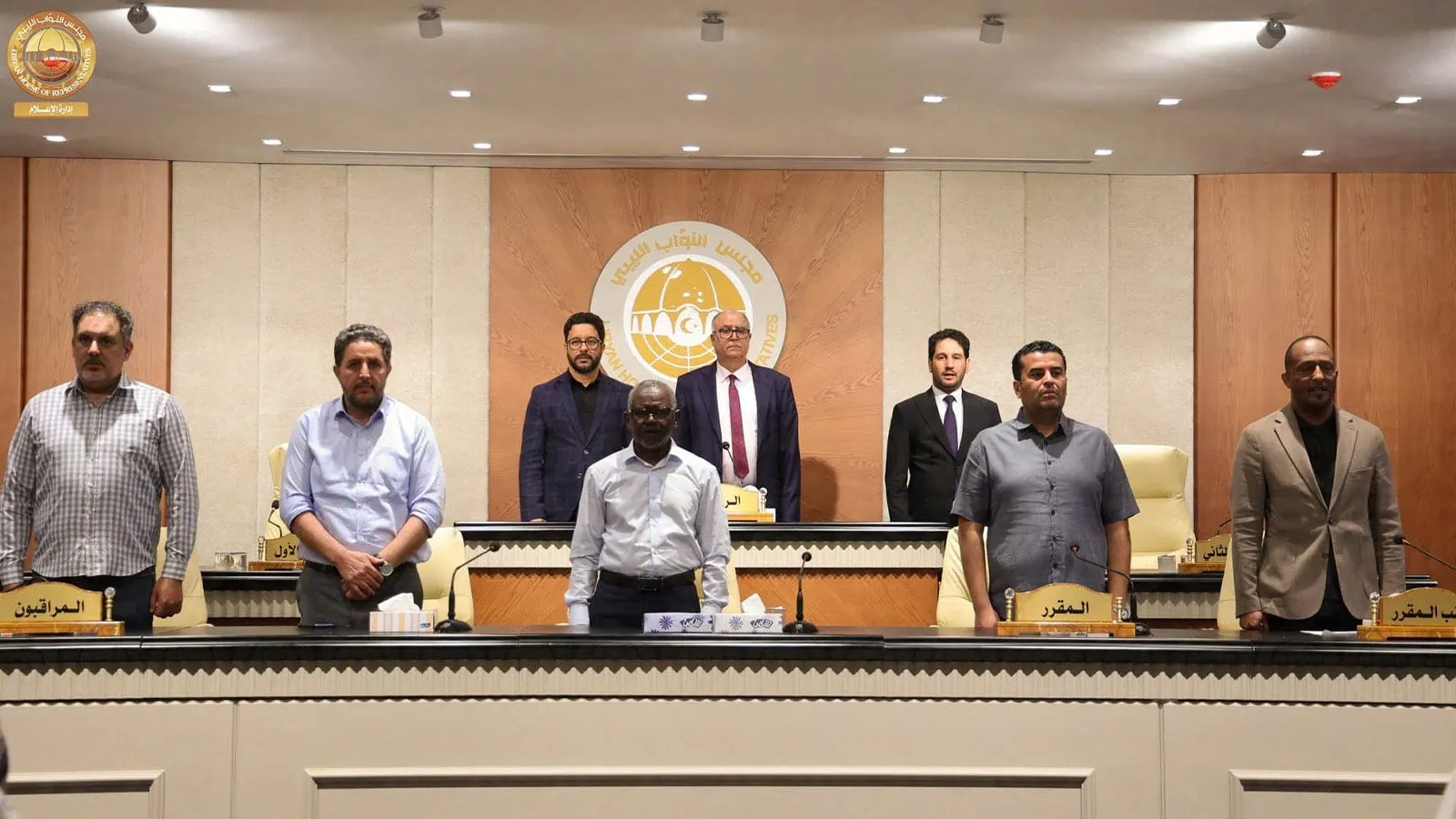
The United Nations Support Mission in Libya (UNSMIL) has confirmed its commitment to working with the newly elected leadership of the Libyan House of Representatives. On October 5 and 6, the House of Representatives held sessions in Benghazi, where a new leadership was elected. According to UNSMIL, 102 members participated in the October 5 session, with 98 voting in favor of amending the internal regulations and approving a rotational presidency with a maximum term of 12 months.
The October 6 session saw the participation of at least 111 members, who elected a new leadership for the House of Representatives. UNSMIL announced that it had taken note of the election of Saleh Abd al-Nabi as the new Speaker, along with a new leadership body. The mission emphasized its commitment to continuing engagement with the House of Representatives, its new leadership, and all its members to push forward the political roadmap facilitated by the United Nations.
The UN mission aims to unify institutions, implement urgent reforms, and conduct elections within the timeframe specified in the agreement signed on August 30. This agreement, known as the "4+4" meeting, outlines a roadmap for unifying institutions and holding elections within 24 months. UNSMIL also confirmed its intention to continue working with various Libyan parties and international partners to support this process.
The US Deputy Assistant Secretary of State, Masoud Bolous, welcomed the election of a new leadership for the House of Representatives. He expressed US aspirations to work with the new leadership to drive the political process forward, unify institutions, and pave the way for national elections. Bolous noted that the US will continue to coordinate with UNSMIL and international partners to support Libya's unification under Libyan leadership.
Several Libyan parties have welcomed the new leadership, including Member of the Presidential Council, Moussa al-Koni, and Khalifa Haftar, who praised the efforts of the previous Speaker, Aguila Saleh. Haftar's son, Saddam, also expressed support for the new leadership. The new leadership was elected in accordance with the UN-facilitated political process aimed at unifying institutions and setting the stage for elections.
The election of the new leadership takes place within the context of a broader political process led by UNSMIL, which seeks to unify institutions and create conditions for elections. The process is based on the agreement signed on August 30, which provides for the unification of institutions and the conduct of elections within a specified timeframe.
The UN mission's affirmation of cooperation with the new parliament leadership underscores the international community's commitment to supporting Libya's transition to stability and democracy. The mission's efforts, in collaboration with Libyan parties and international partners, aim to overcome current challenges and create a conducive environment for elections and national reconciliation.
Key points
- The UN Mission in Libya affirms its commitment to working with the newly elected leadership of the Libyan House of Representatives.
- The new leadership was elected in accordance with the UN-facilitated political process aimed at unifying institutions and setting the stage for elections.
- The UN mission's efforts seek to unify institutions, implement urgent reforms, and conduct elections within a specified timeframe.