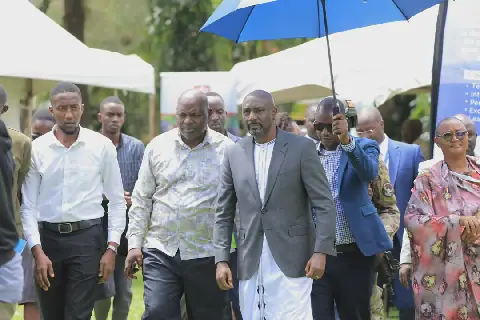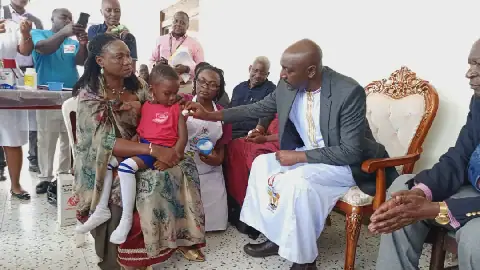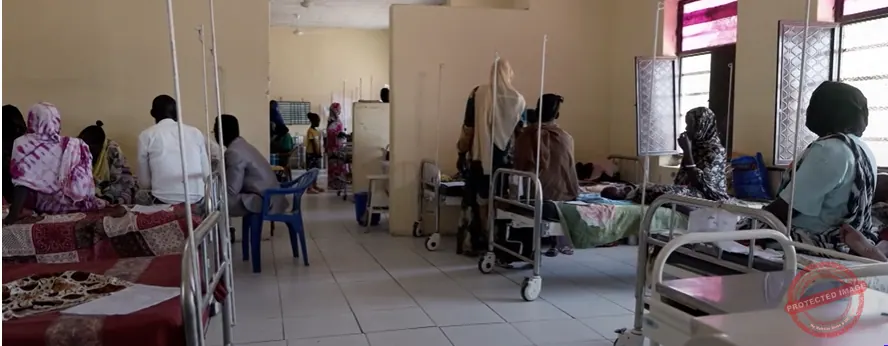
Cancer survivors and families of patients in South Sudan are calling on the government to establish a specialized cancer treatment centre. The lack of services in the country is forcing patients to seek care abroad at high financial and emotional costs. A workshop was held on Wednesday to review and discuss gaps in the detection, treatment, and management of cancer. Experts, health partners, and victims and families of cancer survivors attended the workshop.
For many families, a cancer diagnosis brings not only the challenge of treatment but also the additional burden of finding money for transport, accommodation, documentation, and repeated medical visits outside the country. Agnes, a cancer survivor who was diagnosed with breast cancer in 2025, had to leave South Sudan for treatment with financial and logistical support from her family. She says cancer patients require continued medical support after treatment and is urging the Ministry of Health to establish specialized services in the country.
Agnes also called for an end to stigma against people living with cancer. She urges the Ministry of Health to establish a cancer centre in South Sudan instead of patients going outside the country with limited financial resources. For other families, the cost of accessing cancer care has resulted in the sale of property and prolonged delays in treatment. Matiop Chol's family has dealt with cancer for about three years, and the costs of medical examinations and treatment have been difficult to meet.
Thomas Ladu says his six-year-old child developed a swollen stomach, prompting the family to visit several health facilities in search of a diagnosis. The family collected a number of medical reports but still couldn't find what the disease was. Thomas eventually sold his motorcycle to pay for his child's medical investigations and treatment. The family was later advised to seek treatment outside South Sudan.
Thomas says treatment could be provided in Uganda at no cost, but travelling there would still require about $900 for transportation and documentation for the child and one parent. He says the financial difficulties have also affected the child's follow-up care. The Ministry of Health acknowledges major gaps in cancer services in South Sudan, despite the presence of teaching hospitals in Juba, Wau, and Malakal.
Caretaker Minister of Health Dak Duop says the gaps are forcing many South Sudanese to seek treatment outside the country. He says the Ministry of Health plans to establish a National Cancer Control Steering Committee to guide the development of a comprehensive National Cancer Control Plan. The ministry also intends to strengthen cancer services across the health system, including prevention, early detection, diagnosis, treatment, and survivorship.
According to the World Health Organization's International Agency for Research on Cancer, South Sudan recorded an estimated 8,124 new cancer cases and 5,218 cancer deaths in 2024. Breast cancer was the most frequently diagnosed cancer, with an estimated 1,760 cases, followed by cervical cancer with 890 cases and prostate cancer with 629 cases. The establishment of cancer services inside South Sudan would reduce the need to travel abroad and the financial burden associated with seeking treatment outside the country.
Key points
- The lack of a specialized cancer treatment centre in South Sudan forces patients to seek care abroad at high financial and emotional costs.
- The Ministry of Health plans to establish a National Cancer Control Steering Committee to guide the development of a comprehensive National Cancer Control Plan.
- South Sudan recorded an estimated 8,124 new cancer cases and 5,218 cancer deaths in 2024, with breast cancer being the most frequently diagnosed cancer.