The race for the top position at the United Nations has entered a decisive phase. The fifth indicative vote, conducted behind closed doors at the Security Council, has brought about a substantial reconfiguration of the candidates' standings. This development has significant implications for the candidates, particularly those from Africa. The vote has seen some candidates gain ground while others have suffered a decline in support.
Rebeca Grynspan of Costa Rica continues to lead the pack, securing 9 encouragements and 6 discouragements. She remains the strongest candidate from the Latin America and Caribbean bloc. Meanwhile, Rafael Grossi of Argentina has made a remarkable surge, overtaking several candidates and positioning himself for a potential showdown with Grynspan. His rise has added a new layer of complexity to the competition.
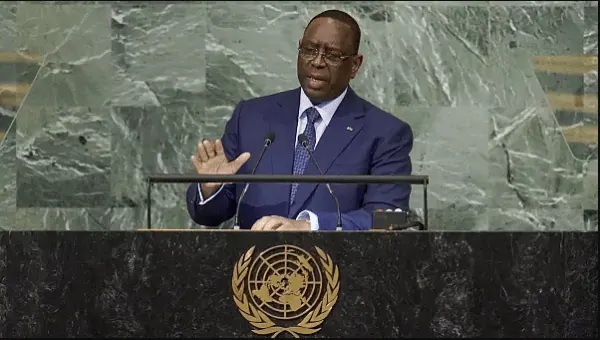
The African candidates have experienced mixed fortunes. Macky Sall of Senegal has maintained a stable core of 5 encouragements, but his votes of discouragement have increased from 9 to 10. This development has raised concerns about his candidacy, particularly with the threat of a veto from one of the five permanent members of the Security Council. Olara Otunnu of Uganda, on the other hand, has suffered a significant decline, securing only 3 encouragements and 12 discouragements.
Regional geopolitics continue to play a crucial role in shaping the debate. The principle of rotation among regions has become a contentious issue. Many member states argue that the next UN Secretary-General should come from the Latin America and Caribbean region, given that the current Secretary-General, António Guterres, is from Portugal. This dynamic has boosted Grynspan and Grossi's prospects at the expense of the African candidates.
The competition is becoming increasingly intense, with multiple candidates vying for the top spot. The fifth indicative vote has revealed a clear divide among the candidates, with some gaining ground and others struggling to maintain support. As the race heats up, the candidates will need to intensify their lobbying efforts to secure the necessary backing from member states.
Macky Sall's candidacy is facing significant challenges, with a high number of discouragements threatening to undermine his chances. His stable core of encouragements is a positive sign, but the increasing opposition to his candidacy is a concern. The Senegalese government's support for his bid will be crucial in determining his prospects.
The final outcome of the UN leadership race remains uncertain, with multiple scenarios still possible. The next steps will be crucial in determining the next Secretary-General. The Security Council will continue to conduct indicative votes to gauge the level of support for each candidate. Ultimately, the selection of the next UN Secretary-General will depend on the preferences of the member states and the dynamics within the Security Council.
Key points
- The fifth indicative vote has seen Rebeca Grynspan of Costa Rica maintain her lead, while Rafael Grossi of Argentina has made a significant surge in the standings.