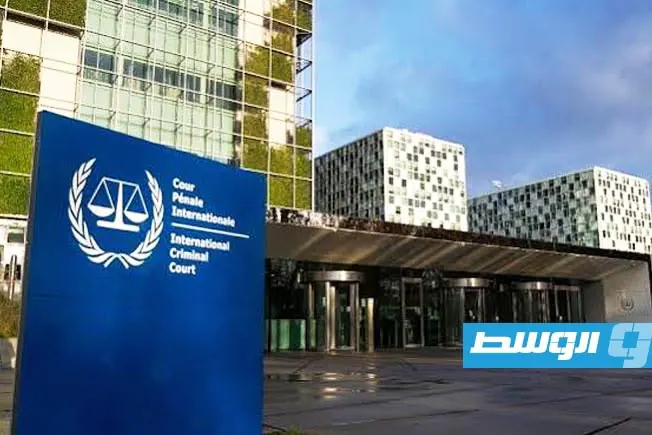
The United Nations and several of its member states have expressed deep concern over the United States' decision to impose sanctions on the International Criminal Court. UN Secretary-General António Guterres' spokesperson, Stéphane Dujarric, stated that the sanctions represent a significant blow to global efforts to achieve international criminal justice. The International Criminal Court is a cornerstone of this endeavor, and Guterres has reiterated his unwavering support for the court's independence and its officials.
The United States announced the sanctions on Friday, October 9, 2026, citing the need to defend American sovereignty and citizens against perceived threats from the International Criminal Court. US Secretary of State Mike Pompeo claimed that the court had overstepped its authority by investigating US personnel in Afghanistan and Palestine. The sanctions aim to hinder the court's activities and restrict the travel and financial transactions of its officials and their families.
In response to the US sanctions, Japan, Canada, and several European countries, including Germany, France, Italy, and the United Kingdom, have issued a joint statement expressing their strong support for the International Criminal Court. The countries emphasized the importance of the court's independence, impartiality, and integrity, and urged the US to reconsider its decision. They argued that the sanctions undermine the court's ability to investigate and prosecute international crimes, including genocide, war crimes, and crimes against humanity.
Israeli Prime Minister Benjamin Netanyahu welcomed the US sanctions, describing the International Criminal Court as a "political body" that poses an existential threat to democracies committed to the rule of law and national sovereignty. The court had issued an arrest warrant for Netanyahu in November 2024, accusing him of war crimes in the Gaza Strip. Netanyahu's office accused the court of bias and politicization, claiming that it was attempting to dictate to sovereign nations.
The US sanctions have sparked widespread criticism from human rights groups and international organizations. They argue that the measures will undermine the court's ability to hold perpetrators accountable for international crimes, and will create a precedent for other countries to disregard the court's authority. The International Criminal Court has been working to strengthen its relationships with states parties and to enhance its cooperation with other international organizations.
The US decision to impose sanctions on the International Criminal Court has significant implications for global governance and international relations. The move has been seen as a challenge to the court's authority and a reflection of the US's increasingly isolationist approach to international affairs. The sanctions may also have a chilling effect on other countries' willingness to cooperate with the court, potentially undermining its effectiveness in investigating and prosecuting international crimes.
The controversy surrounding the US sanctions on the International Criminal Court highlights the complex and often contentious nature of international justice. While the court has made significant progress in recent years, it continues to face challenges from states that are reluctant to submit to its authority. The outcome of this dispute will have important implications for the future of international justice and the role of the International Criminal Court in promoting accountability and the rule of law.
Key points
- The UN, Japan, and several European countries have denounced US sanctions on the International Criminal Court.
- The sanctions aim to hinder the court's activities and restrict the travel and financial transactions of its officials and their families.
- The controversy highlights the complex and often contentious nature of international justice and the challenges faced by the International Criminal Court.