The United Nations General Assembly will hold a plenary meeting on November 10 to discuss the situation concerning Western Sahara, following the use of vetoes by Russia and the US during the Security Council meeting on October 30. The meeting will take place under agenda item 62, “Use of the veto,” at UN Headquarters in New York. This development comes after an unprecedented standoff at the Security Council, where Russia and the US vetoed rival draft resolutions on the mandate of the UN Mission for the Referendum in Western Sahara (MINURSO).
The Russian veto of the US-drafted resolution on Western Sahara was a response to the proposed changes to MINURSO's mandate and future role. The US proposal sought to extend MINURSO's mandate until October 31, 2027, while renaming it the UN Mission in Western Sahara (MINUSO) and removing the reference to a referendum from its name. The proposal also placed Morocco's Autonomy Plan at the center of negotiations, describing it as the only basis for further discussions and autonomy under Moroccan sovereignty as the most feasible solution to the dispute.
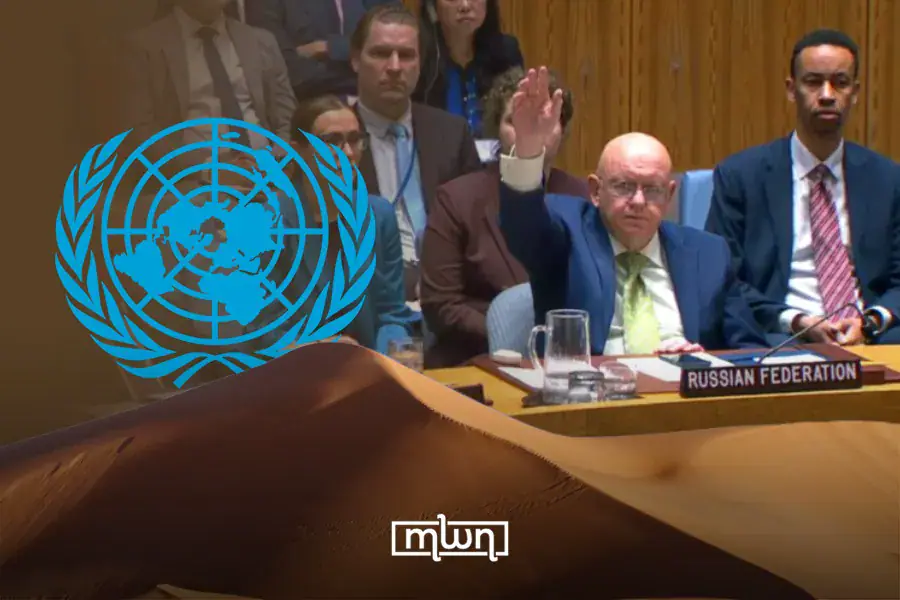
The US-drafted resolution received 11 votes in favor, one against, and three abstentions, but was vetoed by Russia. A competing Russian draft calling for a straightforward one-year extension of MINURSO's mandate also failed to secure the required support after a US veto. The Russian proposal received three votes in favor, one against from the US, and 11 abstentions, falling short of the nine votes required for adoption.
The meeting is being convened under General Assembly Resolution 76/262, adopted in April 2022, which requires the Assembly to meet within 10 working days whenever a permanent member of the Security Council exercises its veto. This resolution, commonly known as the Veto Initiative, gives all 193 UN member states an opportunity to discuss the circumstances and implications of a veto.
The US Ambassador to the UN, Mike Waltz, argued that the changes to MINURSO's mandate were necessary to address the mission's longstanding inability to organize the referendum originally envisaged when it was established in 1991. He also said the US proposal supported the principle of self-determination and sought to move the decades-long conflict toward a negotiated settlement.
Russia opposed the US proposal, arguing that it risked prejudging the outcome of negotiations and undermining the UN framework for resolving the dispute. Russian Ambassador Vassily Nebenzia said the Security Council should not automatically predetermine questions relating to sovereignty, criticizing the draft's emphasis on Morocco's Autonomy Plan. Moscow also opposed changing MINURSO's name and mandate, saying the move could undermine confidence in the political process and the mission's role.
Morocco's Royal Cabinet welcomed the failure to renew MINURSO's mandate, describing the development as an important step toward bringing the Western Sahara issue to a definitive conclusion at the United Nations. The Royal Cabinet said the UN political process had been marked by other parties' procrastination and insistence on maintaining a deadlock. The statement said the non-renewal of the mandate meant that MINURSO's presence in Morocco's southern provinces in Western Sahara should come to an end in the coming days, including the withdrawal of its personnel, equipment, and vehicles.
Key points
- The UN General Assembly will hold a debate on Western Sahara after Russia and the US vetoed rival resolutions on MINURSO mandate.
- The US and Russia vetoed rival draft resolutions on the mandate of MINURSO, leading to a stalemate in the Security Council.
- The UN General Assembly meeting will discuss the implications of the vetoes and the situation concerning Western Sahara.