The United Nations' Independent International Fact-Finding Mission for Sudan has expressed grave concerns over the escalating violence and repression in El Obeid, North Kordofan state. In a recent report, the mission warned that drone strikes attributed to the Rapid Support Forces (RSF) have killed and injured civilians, damaged schools and displacement sites, and disrupted access to essential services. The city remains partially encircled by the RSF, leaving residents exposed to continuing violence and severe shortages.
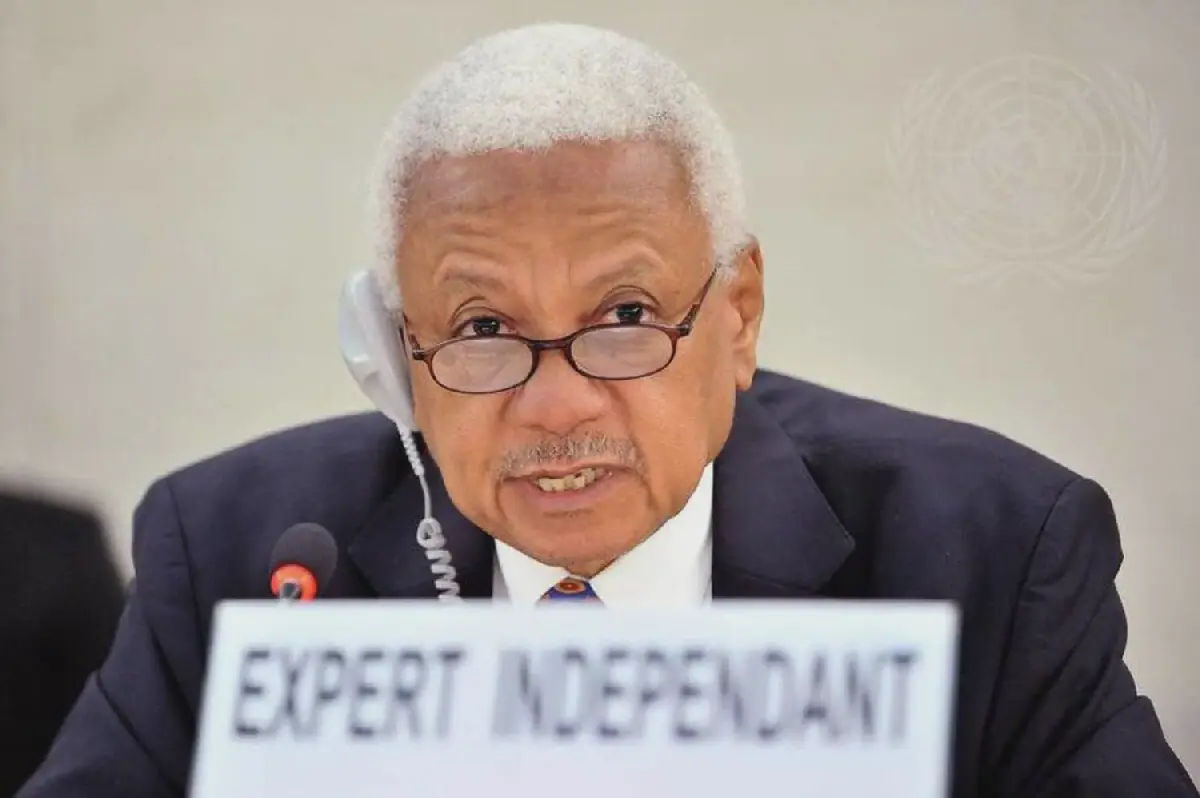
The report, titled Sudan's Unrelenting War: Civilian Devastation and Deepening Insecurity in El Obeid, highlighted the deteriorating situation in the city, with a population of approximately 600,000. Security forces affiliated with the Sudanese Armed Forces (SAF) have intensified surveillance and arbitrary arrests, contributing to a climate of fear. The mission's chair, Mohamed Chande Othman, emphasized that the situation in and around El-Obeid remains grave, with a high risk of atrocities.
The conflict in Sudan has been intensifying, with attacks reported in Blue Nile state, a drone strike in Abyei that killed scores of civilians, and assaults near the Sudan-Egypt border that killed dozens of artisanal miners. The mission is investigating these incidents and has warned that the conflict is becoming more geographically extensive, technologically sophisticated, and increasingly dangerous for civilians. The report also highlighted repeated RSF drone attacks on residential neighborhoods, schools, and infrastructure essential to civilian life.
The mission documented a shrinking civic space in El Obeid, with human rights defenders, humanitarian workers, and civilians perceived as critical of the authorities facing surveillance, threats, intimidation, and arbitrary detention. Credible accounts of incommunicado detention, torture, ill-treatment, and deaths in custody have been received, as well as allegations of sexual violence against female detainees. Some of these reported acts could amount to war crimes.
The report also noted that the deployment of SAF personnel and allied forces in residential neighborhoods has increased the foreseeable risk of civilians being harmed in attacks. Humanitarian operations have been constrained by both the SAF and the RSF, as well as their allies, through attacks, bureaucratic obstacles, militarization, and restrictions on access to people in need. The mission warned that restrictions on civic freedoms weaken civilian protection, undermine accountability, and threaten prospects for meaningful and inclusive dialogue to end the conflict.
The fact-finding mission called on all parties to respect international human rights and humanitarian law, protect civilians and civilian infrastructure, allow rapid and unimpeded humanitarian access, and end arbitrary detention, torture, and reprisals. The mission also urged all states to take meaningful steps to prevent the transfer of weapons, fighters, and other forms of support that could contribute to violations and international crimes in Sudan. External actors have fueled the conflict and benefited from it, according to the mission.
Sudan's war erupted on April 15, 2023, between the SAF and the RSF, following a power struggle between the two forces. The conflict has devastated communities, displaced millions, and triggered a severe humanitarian crisis. The fact-finding mission's findings build on a previous report, which documented external support to both sides and its role in sustaining military operations. The mission's experts emphasized that attacks on critical civilian infrastructure can have long-lasting consequences for entire communities.
Key points
- The UN fact-finding mission warns of escalating violence and repression in El Obeid, Sudan, with drone attacks, arrests, and torture reported.
- The conflict in Sudan has become more geographically extensive, technologically sophisticated, and increasingly dangerous for civilians.
- The mission calls on all parties to respect international human rights and humanitarian law, protect civilians, and allow humanitarian access.