As Israelis went to the polls on October 27, a major issue that has been noticeably absent from the election campaign is Israel's rejection of Palestinian statehood. This stance puts Israel at odds with world opinion, with 159 countries recognizing Palestinian statehood, including the UK and France. The international community has been shifting towards recognizing Palestine as a legitimate state, with nearly half of the G7 and four of the five permanent members of the UN Security Council now in support.
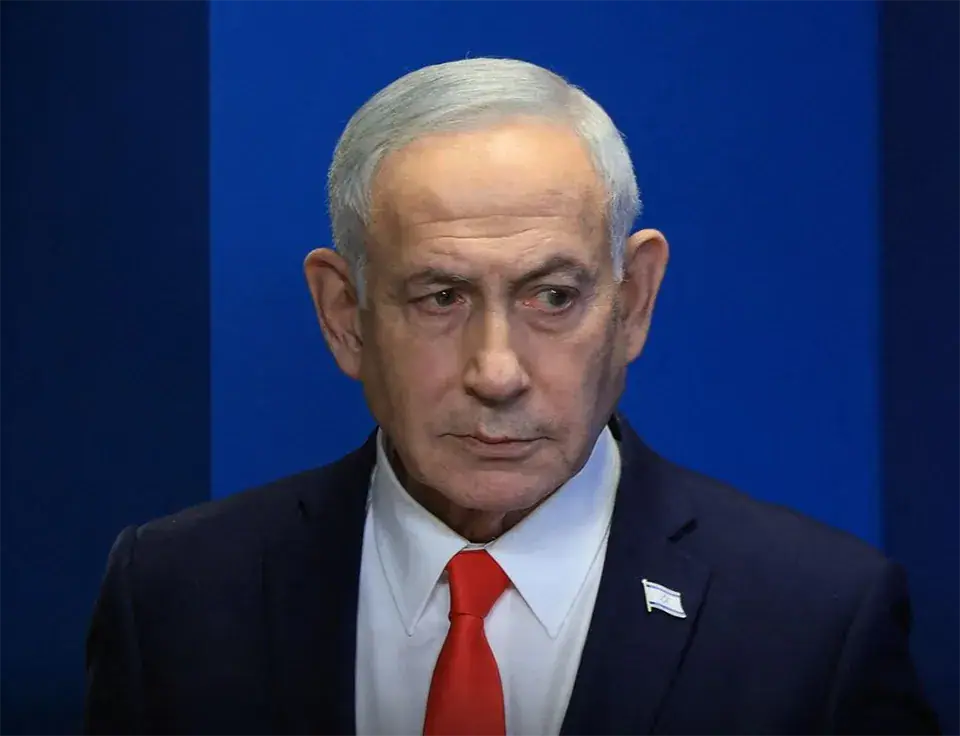
The incumbent Israeli Prime Minister, Benjamin Netanyahu, and his ultra-nationalist government have championed the idea of "destroying Hamas" and rejected the notion of Palestinian statehood. Instead, they have promoted the expansion of Israeli settlements in the West Bank. Netanyahu's partners, including the Religious Zionism party and the Jewish Power party, have advocated for the occupation of the entire West Bank and a plan for "voluntary Palestinian emigration". This stance has drawn criticism from the international community.
The main contenders to replace Netanyahu, Gadi Eisenkot and Naftali Bennet, have diverged from the Netanyahu government's policy by promising to curb settler violence in the West Bank. However, they have also rejected the idea of Palestinian statehood. Eisenkot has stated that he is in favor of settlements that comply with Israeli law, but has been critical of the massive E1 settlement project, which would effectively cut the West Bank in half and make a Palestinian state impossible.
The Israeli government's stance on Palestinian statehood has raised concerns about the country's growing isolation. The UK and 11 other countries have announced a package of sanctions in response to settler violence and the signing off of the E1 plan. There has also been discussion within the European Union of a broader package of sanctions, which could include stripping Israel of its preferred trading-nation status. Netanyahu has suggested that Israel might respond by using cryptocurrencies and blockchain technologies to evade such restrictions.
The ongoing conflict in Gaza and the growing turmoil in the West Bank have also put pressure on the Israeli Defence Forces (IDF). The IDF chief of staff, Eyal Zamir, has warned that the military faces a manpower crisis, with troops deployed in Gaza, the West Bank, and on Israel's borders. Despite the high stakes, the main parties contesting the Israeli elections appear to have no answers to these pressing questions.
Opinion polls suggest that the lack of interest in a long-term solution for Palestinian self-determination may be a calculated strategy. Many voters, particularly younger Israelis, are taking a hardline view towards Palestinians and Palestinian statehood. The majority of people in Israel reject the idea of a two-state solution, and many see the growing international criticism of Israel as hypocrisy and evidence of a rise in antisemitism.
The latest polling has a possible Eisenkot coalition marginally ahead with 54 seats to 50 for a likely Netanyahu-led coalition. The margin is about 16 seats, reflecting the number of people who declare themselves undecided. Once the votes are counted and a ruling coalition is formed, it will be up to the next Israeli leader and their coalition partners to work out how to deal with the serious challenges posed by the country's growing isolation.
Key points
- The Israeli election campaign has ignored the issue of Palestinian statehood despite growing international pressure.
- The incumbent Israeli government has rejected Palestinian statehood, and the main contenders to replace Netanyahu have also failed to address the issue.
- The Israeli government's stance on Palestinian statehood has raised concerns about the country's growing isolation and potential economic sanctions.