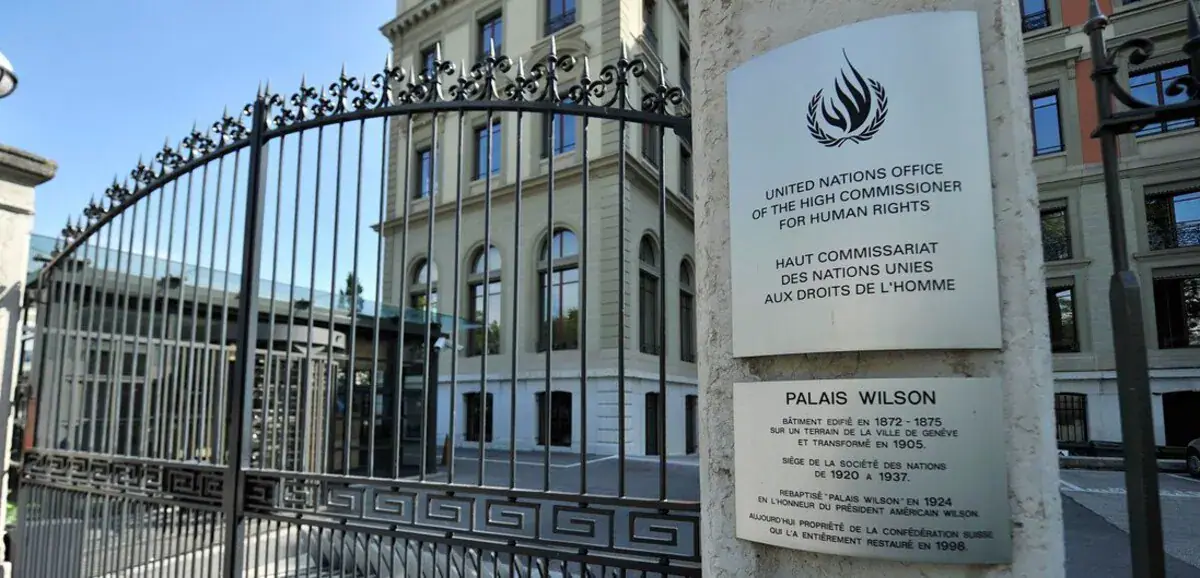
The United Nations High Commissioner for Human Rights expressed concerns on Tuesday, November 17, about a plan by five European countries to transfer migrants to Rwanda. Germany, Denmark, Austria, Greece, and the Netherlands are behind the initiative, which aims to relocate individuals whose asylum applications have been rejected. The UN body warned that the plan poses significant risks to the fundamental rights of these individuals.
The UN High Commissioner for Human Rights emphasized that the Rwandan government, where the migrants would be transferred, faces its own human rights challenges. The body also stressed that states are obligated to respect their international obligations, particularly regarding human rights. The UN expressed concerns that the plan may not provide adequate safeguards for the individuals being transferred.
According to the UN, the plan to transfer migrants to Rwanda was unveiled on Monday in Vienna, in collaboration with the European Commission. The initiative aims to significantly increase the number of migrant deportations from European territory. The UN body called for a thorough analysis of the factors driving migration, including human rights challenges, global inequalities, and conflicts.
The UN High Commissioner for Refugees, Barham Saleh, participated in the Vienna meeting, emphasizing the importance of fair, efficient, and credible asylum procedures. He also stressed the need for dignified and rapid return arrangements for those without a legal right to stay in the five countries. The International Organization for Migration (IOM) has offered to provide operational support for the plan, pending an evaluation of the Rwandan government's request.
The Rwandan government claims that the plan will offer a "second chance" to migrants expelled from Europe. However, NGOs have expressed skepticism about the initiative. The five European countries plan to launch the program on a small scale, initially sending around 100 rejected asylum seekers to Rwanda.
The UN body urged that the root causes of migration be addressed through adequate investments, creating viable prospects in countries of origin. The organization emphasized that migration issues have become increasingly politicized and polarized, requiring a comprehensive approach. The UN called for a focus on human rights, global inequalities, and economic injustices driving migration.
The plan has sparked concerns among human rights organizations, with many questioning the suitability of Rwanda as a destination for migrants. The UN's concerns highlight the complexities and challenges surrounding migration policies in Europe and Africa. The initiative's success and impact on human rights remain to be seen.
Key points
- UN human rights chief expresses concerns over European plan to transfer migrants to Rwanda
- Plan poses significant risks to fundamental rights of individuals being transferred
- UN calls for comprehensive approach to address root causes of migration