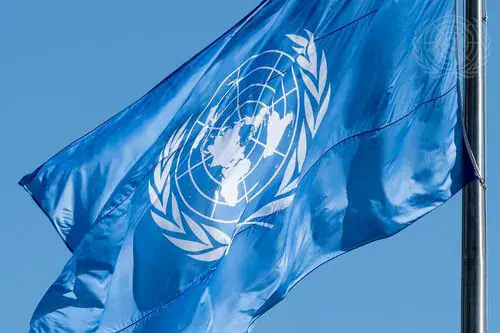
The United Nations Secretariat has dismantled an exhibition at its headquarters in New York that challenged Morocco's territorial integrity and sovereignty over its southern provinces in Western Sahara. The exhibition, titled "50 Years, 50 Faces, Sahrawi Exile: A Life of Resilience," was organized by a group of countries that includes Algeria, Namibia, Uganda, Timor-Leste, Belize, and South Africa. These countries have been adopting anti-Moroccan rhetoric, particularly Pretoria, which has been criticized for neglecting internal crises, including racism against migrants.
The exhibition was set up despite concerns from the UN and Morocco, and it featured photographs and messages with openly political overtones, in violation of the rules governing events held within the UN premises. Morocco's Mission to the UN denounced the political messages, providing supporting evidence, and the UN Secretariat dismantled the exhibition on the same day. The dismantling of the exhibition was reportedly marked by aggressive behavior from several Algerian diplomats, who confronted Secretariat staff tasked with dismantling it.
Algeria's regime has been a strong supporter of the Polisario Front, which has been fighting for independence in Western Sahara. The regime has hosted the Polisario's leadership and allowed it to oppress Sahrawis inside the Tindouf camps, where anemia and other diseases linked to malnutrition continue to be a major concern. Despite UN concerns, Algeria's regime has continued to object to a census in the camps, reportedly due to fears that Sahrawis account for less than 20% of the population, while 80% are from the Tuareg community and Algeria itself.
The UN Security Council has been working to resolve the dispute over Western Sahara, and last year, it adopted Resolution 2797, which emphasized the centrality and exclusivity of the Autonomy Plan as a basis for negotiations to resolve the dispute. The resolution also named Algeria as a main party to the dispute and urged it to engage in the political process and contribute to finding a mutually acceptable political solution. Morocco's efforts within the UN have enabled the country to thwart the exhibition, which was scheduled to run from October 27 to 30.
A draft resolution, which was amended from the version of October 20 that was circulated among Security Council members, is expected to rename MINURSO (the peacekeeping operation in Western Sahara) to MINUSO. The name change would remove any reference to a referendum, a new blow to Algeria's regime. The new resolution is also set to reinforce the Moroccan position, especially the Autonomy Plan as the basis and framework to end the dispute over Western Sahara.
The Algeria-backed exhibition sought to exploit the suffering of populations held in Tindouf on the eve of the adoption of the Security Council resolution on the Sahara. The exhibition was seen as an attempt to challenge Morocco's sovereignty over Western Sahara and to promote the Polisario Front's cause. However, Morocco's Mission to the UN and the UN Secretariat have taken steps to prevent the exhibition from taking place, and the exhibition was dismantled just hours after it was set up.
The incident highlights the ongoing tensions between Morocco and Algeria over the dispute of Western Sahara. Morocco's efforts to thwart the exhibition demonstrate its commitment to protecting its territorial integrity and sovereignty. The UN's decision to dismantle the exhibition also underscores its commitment to upholding its rules and regulations governing events held within its premises.
Key points
- The UN Secretariat dismantled the exhibition due to its openly political overtones, in violation of UN rules.
- Algeria's regime continues to object to a census in the Tindouf camps, reportedly due to fears about the demographic composition of the camps.
- The UN Security Council is expected to adopt a new resolution on Western Sahara, which will reinforce Morocco's position and the Autonomy Plan as the basis for negotiations.