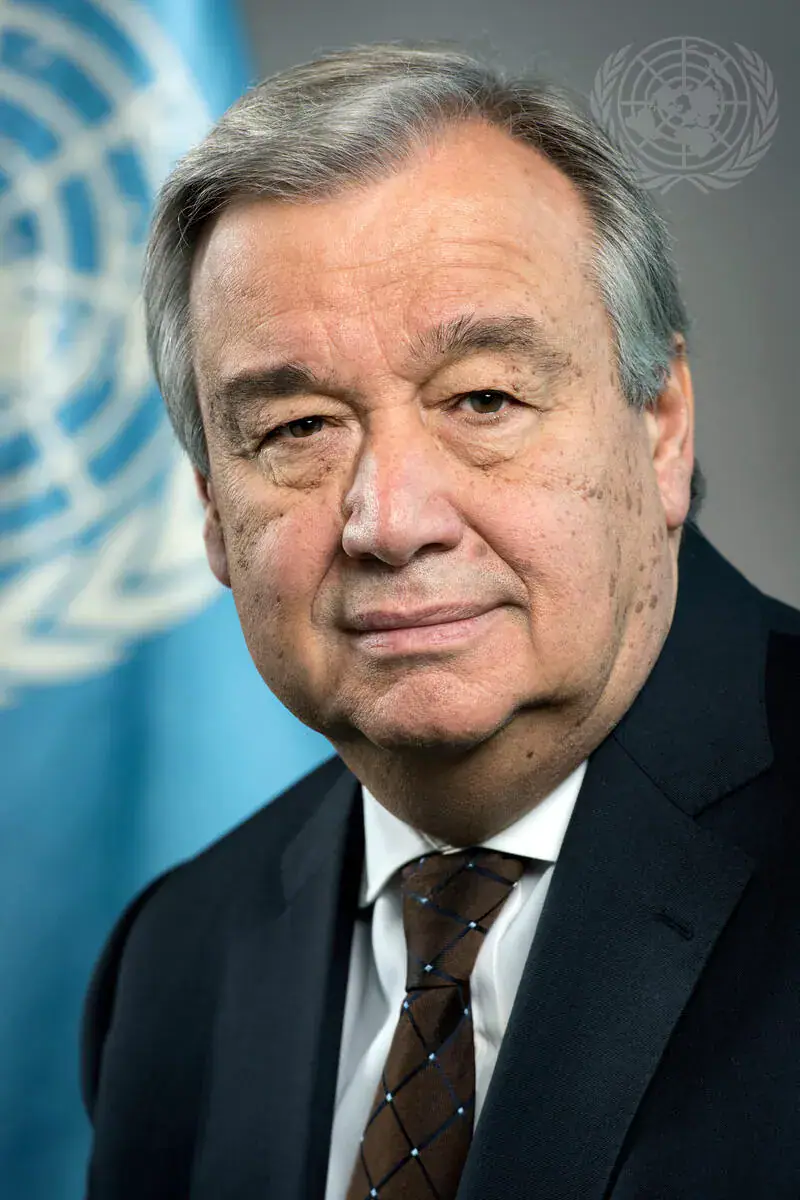
On October 28, UN Secretary-General António Guterres addressed his colleagues at the Economic and Social Council (ECOSOC) chamber, acknowledging that the organization's progress in combating racism and gender inequality is insufficient. This comes six years after an internal survey revealed that one in three UN staff members reported experiencing racial discrimination. Guterres emphasized that the UN cannot credibly promote equality globally if it fails to uphold it within its own walls.
The 2020 survey was conducted in response to the murder of George Floyd in the United States, which sparked a global wave of protests against racism. The results were deemed "totally unacceptable" by Guterres, prompting the UN to move beyond mere condemnation of racism and actively work to become "anti-racist." In response, a working group was established, mandatory training programs were implemented, and a voluntary racial data collection initiative was launched.
Despite these efforts, Guterres noted that the diversity of UN personnel does not necessarily translate to all levels of the hierarchy. He stressed that addressing inequality and racism requires a focus on power dynamics, stating, "The inequality between the sexes is a question of power. Racism is a question of power. And power is never given, it is taken." The secretary-general emphasized the need for continued progress and vigilance in promoting equality and combating racism.
On the issue of gender parity, Guterres reported more significant progress, with the UN achieving parity in leadership positions and among administrative staff. He attributed this success to expanding opportunities rather than lowering standards, stating, "We achieved this not by lowering the bar, but by multiplying the possibilities." However, he cautioned that parity is not the ultimate goal, as women still face challenges in influencing decisions, advancing in their careers, and working safely.
Guterres warned that the progress made in promoting gender equality is now under threat due to the UN's financial crisis. The organization's "ONU80" reform plan, aimed at addressing funding shortfalls, includes a 21% reduction in Secretariat posts by 2026. The secretary-general urged his colleagues to protect the gains made in gender equality, maintain the fight against racism, and ensure transparent and unbiased recruitment and promotion processes.
To achieve these goals, Guterres called for resistance to the erosion of rights, starting from within the organization. He emphasized the importance of safeguarding the progress made and continuing to push for a more equitable and inclusive work environment. The secretary-general's address served as a reminder that the UN's commitment to promoting equality and combating racism must be unwavering and ongoing.
As the UN continues to navigate its internal challenges, Guterres' message serves as a call to action for his colleagues to redouble their efforts in promoting a culture of equality, respect, and inclusivity. The organization's ability to effectively promote these values globally depends on its success in addressing them within its own ranks. The progress made so far is a step in the right direction, but there is still much work to be done.
Key points
- The UN has achieved parity in leadership positions and among administrative staff, but progress in addressing racism and promoting equality is still insufficient.