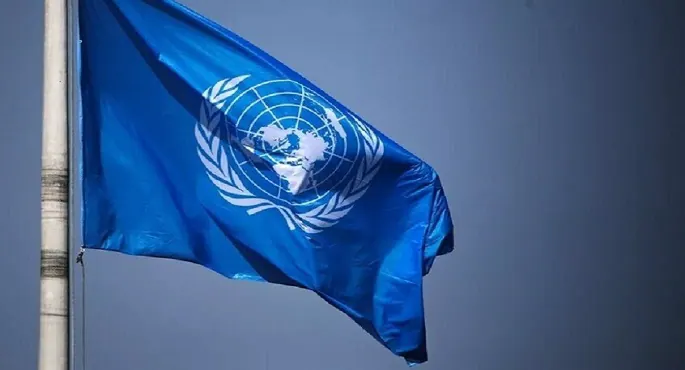
On Friday, September 25, 2026, representatives of participating countries approved a draft UN declaration on rising sea levels, paving the way for its formal adoption by the General Assembly. This move aims to enhance international efforts to address the rapidly escalating consequences of rising sea levels. The declaration focuses on utilizing knowledge and adaptation measures to protect livelihoods, promote legal certainty for affected countries and populations, and address issues such as maritime area stability and state continuity.
The initiative follows two years after the General Assembly held its first high-level meeting dedicated to the issue in 2024. There have been calls for a more coordinated, sustainable, and financially supported international response. UN Secretary-General António Guterres presented a report on the issue, noting that global sea levels rose by approximately 6 millimeters in 2024, the largest annual increase ever recorded. He warned that, according to IPCC estimates, sea levels could rise by up to half a meter by 2100, even in the best-case scenario.
Guterres described rising sea levels as a "threat multiplier," emphasizing that countries and communities that contributed least to the climate crisis often bear the greatest burden. He called for action on three fronts: addressing root causes, protecting populations from rising waters, and closing legal gaps. The Secretary-General stressed that while sea level rise is measured in millimeters, its cost is measured in millions of disrupted lives.
The President of the General Assembly, Khalil Rahman, stated that "rising sea levels know no borders." He highlighted that countries with limited resources and capacities for adaptation and rebuilding often face the greatest risks. Discussions during the meeting emphasized the importance of the declaration's legal dimension, with affected countries welcoming its recognition of maritime area stability and state continuity as guarantees of sovereignty, security, and national identity.
Palau's President, Surangel Whipps Jr., speaking on behalf of the Small Island Developing States, noted that rising sea levels will fundamentally change the lives of countries where the ocean is a vital part of their existence. Other participants stressed that climate change threatens their culture, heritage, and identity. They described the declaration as essential for their future.
While approving the draft declaration was seen as a crucial step, many participants emphasized that it must be followed by broader action, including adequate financing, adaptation measures, and enhanced monitoring and tracking systems. The European Commissioner for Fisheries and Oceans, Kostas Kadis, announced that 30 countries have pledged $250 million to support ocean monitoring through an international alliance launched by the European Commission and Canada.
Calls were made for increased accessible financing for countries most exposed to risks, sufficient resources for the Loss and Damage Response Fund, and addressing debt burdens. Participants stressed that the declaration must translate into concrete actions that enhance the resilience of communities and countries facing rising sea levels.
Key points
- The UN has approved a draft declaration on rising sea levels, highlighting the need for global cooperation to address the consequences of this escalating threat.
- The declaration focuses on utilizing knowledge and adaptation measures to protect livelihoods and promote legal certainty for affected countries and populations.
- The initiative aims to enhance international efforts to address the rapidly escalating consequences of rising sea levels.