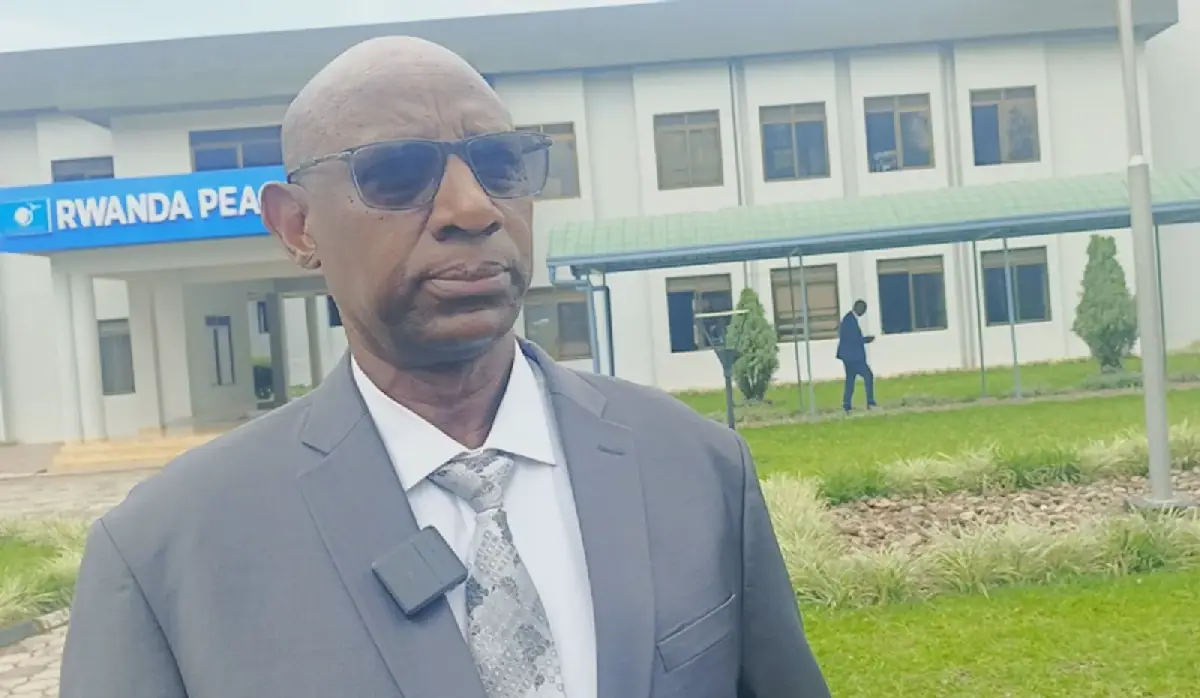
The Director of Rwanda Peace Academy, Colonel (Rtd) Jill Rutaremara, emphasized the importance of collaboration and cooperation between the military, police, and civilians in upholding human rights and enhancing peacekeeping operations. On November 2, 2026, Rutaremara officiated the opening of a five-day training session for 28 participants, including military personnel, police officers, and civilians. The aim is to equip them with the knowledge and skills to implement international human rights laws.
The training, a joint effort between Rwanda Peace Academy, the United Nations Human Rights Office in Rwanda, and the United Nations Children's Fund (UNICEF), focuses on international human rights law, international humanitarian law, and child protection principles. Participants will learn how to effectively integrate human rights into their daily operations and peacekeeping missions. Col. Rutaremara stressed that upholding human rights is a shared responsibility among security forces and civilians.
Lieutenant Colonel Umuhoza Marie Chantal from the Rwanda National Guard highlighted the significance of the training in enhancing her understanding of human rights protection during peacekeeping missions. She noted that Rwandan security forces operate in various countries and must respect the human rights of local populations. The training will enable her to better comprehend how to protect human rights in diverse situations.
Kizito Jean Pierre, a representative from the Ministry of Justice, praised the training as essential in building the capacity of various stakeholders to prevent human rights abuses. He emphasized that upholding human rights is crucial in both conflict and peace situations. The collaboration between security forces, police, and civilians will foster better coordination in discharging their responsibilities.
Michael Ngabirano, the Chief Human Rights Advisor to the UN Resident Coordinator in Rwanda and Director of the UN Human Rights Office in Rwanda, stated that upholding human rights should not be seen as an obstacle to security operations but rather as a foundation for sustainable peace. He highlighted the challenges faced by security forces in complex situations and stressed the importance of adhering to human rights laws.
Ngabirano emphasized that the use of force should not be the primary response and must be proportionate, lawful, and aimed at minimizing harm and protecting human life. He also underscored the need for special attention to vulnerable groups, such as children, persons with disabilities, and detainees. The implementation of Rwanda's commitments to human rights, as reviewed by the UN in January 2026, requires translating international principles into practical actions.
The participants and organizers agree that sustainable security is inextricably linked to the protection of human rights and dignity. The training aims to foster a culture of human rights among security forces and promote collaboration between different stakeholders. By building the capacity of security personnel and promoting a human rights-based approach, Rwanda can consolidate peace and stability.
Key points
- Col. Jill Rutaremara emphasizes the importance of collaboration between security forces and civilians in upholding human rights.
- The training aims to equip security personnel with knowledge and skills to implement international human rights laws.
- Upholding human rights is seen as a foundation for sustainable peace and security.