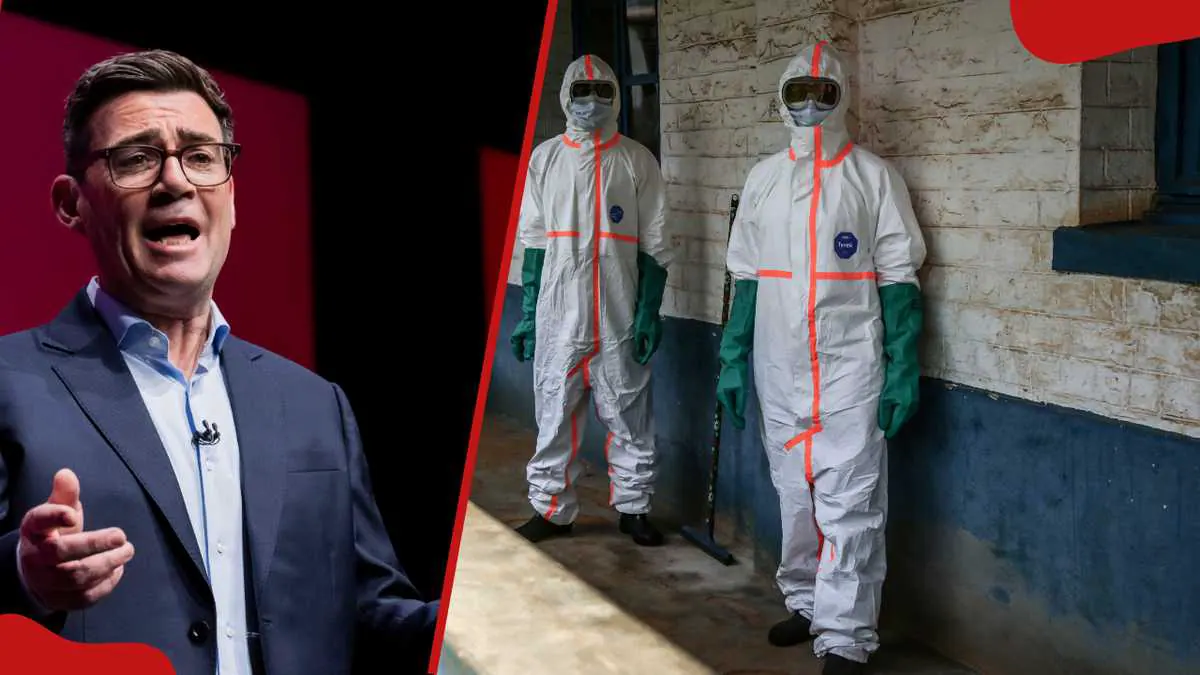
The UK Foreign, Commonwealth & Development Office has updated its travel guidance for Kenya following the country's first imported Ebola case, confirmed on October 6, 2026. The Kenyan Ministry of Health has activated a public health response, including contact tracing, heightened surveillance, border screening, and quarantine arrangements for individuals considered at risk. This move aims to contain the spread of the disease and ensure public safety.
The UK Foreign, Commonwealth & Development Office maintains existing regional restrictions within Kenya, advising against all travel to certain parts of the country and against all but essential travel to other specified areas. British nationals in Kenya are urged to follow local authorities' guidance and monitor communications from the Kenyan Ministry of Health closely. This will enable them to stay informed about the situation and take necessary precautions.
Travellers to Kenya are advised to confirm that their destination can meet any healthcare needs they may have and to hold valid travel insurance that covers both local medical treatment and emergency evacuation. This requirement is particularly emphasized for pregnant travellers and those managing pre-existing health conditions. In the event of a medical emergency, travellers are instructed to call 999 and request an ambulance and to notify their insurer promptly if referred to a medical facility.
The UK government recommends that anyone planning to travel to Kenya review the latest vaccine guidance at least eight weeks before their departure date. Travellers should consult the NHS travel vaccinations page to identify which vaccinations are needed and whether charges apply. This will ensure they are adequately prepared and protected against potential health risks.
Given the Ebola situation, the UK Foreign, Commonwealth & Development Office has cautioned that some countries may introduce additional health screening requirements for passengers arriving from Kenya. Travellers are advised to verify entry and transit requirements for every country on their itinerary before departing. This will help them avoid any potential disruptions or issues during their journey.
The UK Health Security Agency has issued separate guidance directed at humanitarian and healthcare workers, advising them to confirm healthcare availability and ensure their insurance coverage is adequate before travel. Travellers seeking to stay informed can sign up for email alerts to receive ongoing updates on the situation in Kenya. This will enable them to stay up-to-date with the latest developments and take necessary precautions.
The patient who contracted Ebola travelled overland from the Democratic Republic of Congo through Uganda before flying into Nairobi on October 3. Health authorities are tracing contacts, and people who may have been exposed are urged to monitor their health for 21 days. The US embassy in Kenya also issued a health alert after Kenya confirmed its first Ebola case and death, including guidance for American citizens.
Key points
- The UK Foreign, Commonwealth & Development Office updated its travel guidance for Kenya following the country's first imported Ebola case.
- Travellers to Kenya are advised to hold valid travel insurance that covers local medical treatment and emergency evacuation.
- Health authorities are tracing contacts of the patient who contracted Ebola, and people who may have been exposed are urged to monitor their health for 21 days.