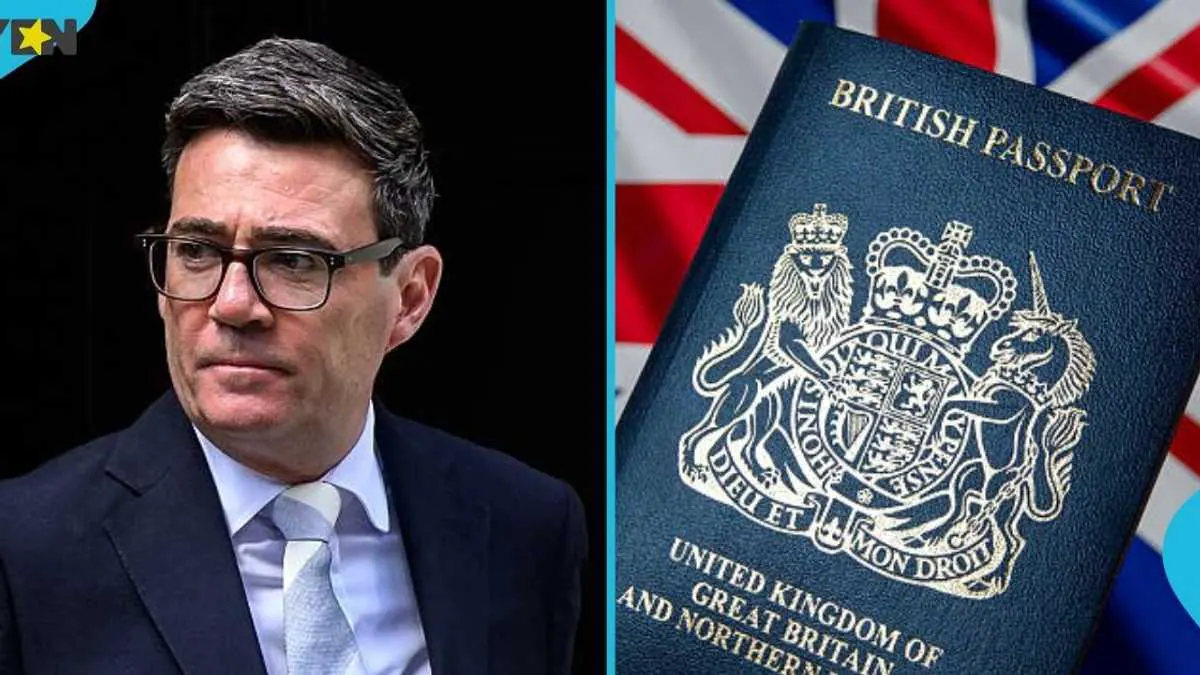
The UK government has released a fresh update on who may qualify for British citizenship automatically. The guidance from the Home Office outlines five key categories covered by British nationality rules. This update could be particularly relevant to some foreigners with UK family or birth connections. The guidance makes clear that automatic entitlement hinges on a combination of factors, including when and where a person was born, the legal status of their parents at the time of birth, and, in some cases, how they were adopted.
Anyone born in the United Kingdom or a qualifying British colony before 1 January 1983 automatically became a British citizen at birth. Under the nationality law in place at that time, parental background was largely irrelevant, though children of foreign diplomats with full diplomatic immunity were among the narrow exceptions. This rule applies to individuals born before the change in nationality law.
For those born in the UK from 1 January 1983 onwards, the rules shifted considerably. Citizenship is no longer automatic simply by virtue of being born on British soil. At least one parent must have been a British citizen or held settled status at the time of birth. Settled status includes Indefinite Leave to Remain, permanent residence, the right of abode, or status granted under the EU Settlement Scheme.
Children born abroad can also acquire citizenship automatically through what is known as citizenship by descent. This applies if at least one parent held British citizenship at the time of the child's birth, provided that parent gained their citizenship through birth or naturalisation in the UK rather than by descent themselves. This rule allows individuals born overseas to be eligible for British citizenship.
Adoption is another recognised route to automatic British citizenship. A child adopted through a UK court order by a British citizen automatically becomes a British citizen. Overseas adoptions also qualify if at least one adoptive parent holds British citizenship and the adoption is formally recognised under the Hague Convention on Intercountry Adoption.
The fifth category covers individuals born in a British Overseas Territory such as Gibraltar, Bermuda, or the Falkland Islands. For births occurring on or after 21 May 2002, a child automatically receives full British citizenship under the British Overseas Territories Act 2002, provided at least one parent was a British Overseas Territories citizen, a British citizen, or was settled in the territory at the time.
In all five categories, the common thread is that citizenship arises by operation of law rather than through any application, meaning eligible individuals hold it from birth or adoption without further action required. This update aims to clarify the rules for automatic British citizenship, and individuals can check if they fall under any of the five categories.
Key points
- The UK Home Office has released updated guidance on the five main circumstances under which a person automatically holds British citizenship.
- The guidance outlines that citizenship can be acquired through birth in the UK or a qualifying British colony, citizenship by descent, adoption, and birth in a British Overseas Territory.
- Eligible individuals hold British citizenship from birth or adoption without further action required.