The UK Foreign, Commonwealth and Development Office (FCDO) has updated its travel advice for Kenya following the confirmation of the country's first imported case of Bundibugyo Ebola virus disease. The warning, issued on October 7, comes as the Kenyan government steps up surveillance and containment measures after the Ministry of Health confirmed the case on October 6.
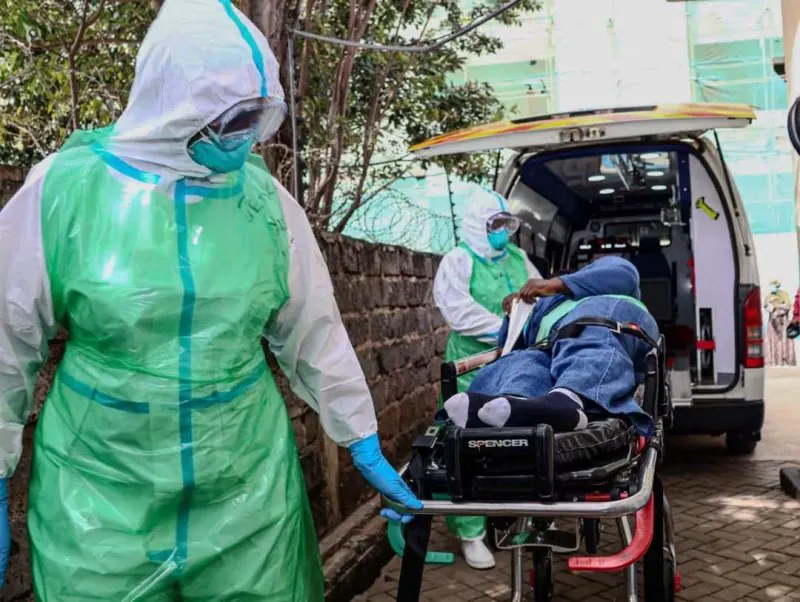
The patient, a Kenyan citizen who had been living in the Democratic Republic of Congo (DRC), travelled by road to Kampala before flying to Nairobi on October 3. He was taken to hospital, isolated, and later tested positive for Bundibugyo Ebola. The patient has since died and been buried. The Ministry of Health has identified 28 contacts, including family members and healthcare workers who attended to the patient.
The Ministry is tracing 23 passengers and four crew members who were on the same flight as the patient. Quarantine arrangements are underway for people considered to have been at risk. Public Health Principal Secretary Mary Muthoni said 57 contacts have been traced following the confirmed case, with 10 currently in quarantine.
In its updated travel advice, the UK government has urged travellers to follow guidance from Kenyan health authorities and check health requirements before travelling. The FCDO notice reads: "Follow the advice of local authorities and monitor updates from the Kenyan Ministry of Health."
The notice also notes that travellers arriving in Kenya, particularly those coming from Uganda, Ethiopia, and the DRC, may face enhanced health screening due to the regional Ebola situation. The World Health Organisation (WHO) said Kenya notified it of the imported case on October 6 in line with the International Health Regulations.
Kenya is the fourth country to confirm a case linked to the current Bundibugyo Ebola situation in the region. Health Cabinet Secretary Aden Duale has urged Kenyans not to panic, saying systems are in place to respond to the disease. The Ministry of Health is encouraging frequent handwashing, use of alcohol-based hand rubs, and avoidance of close contact with sick people arriving from countries reporting active Ebola transmission.
The government has also urged anyone who develops symptoms after potential exposure to seek care at a recognised health facility and to rely on official Ministry of Health updates. The FCDO has separately warned against all travel to specified parts of Kenya, primarily linked to security risks rather than the Ebola outbreak.
Key points
- The UK Foreign Office has updated its travel advice for Kenya following the country's first imported Ebola case.
- The patient, a Kenyan citizen, had been living in the Democratic Republic of Congo before travelling to Nairobi, where he tested positive for Bundibugyo Ebola.
- The Kenyan government has stepped up surveillance and containment measures, including contact tracing, surveillance, and border screening.