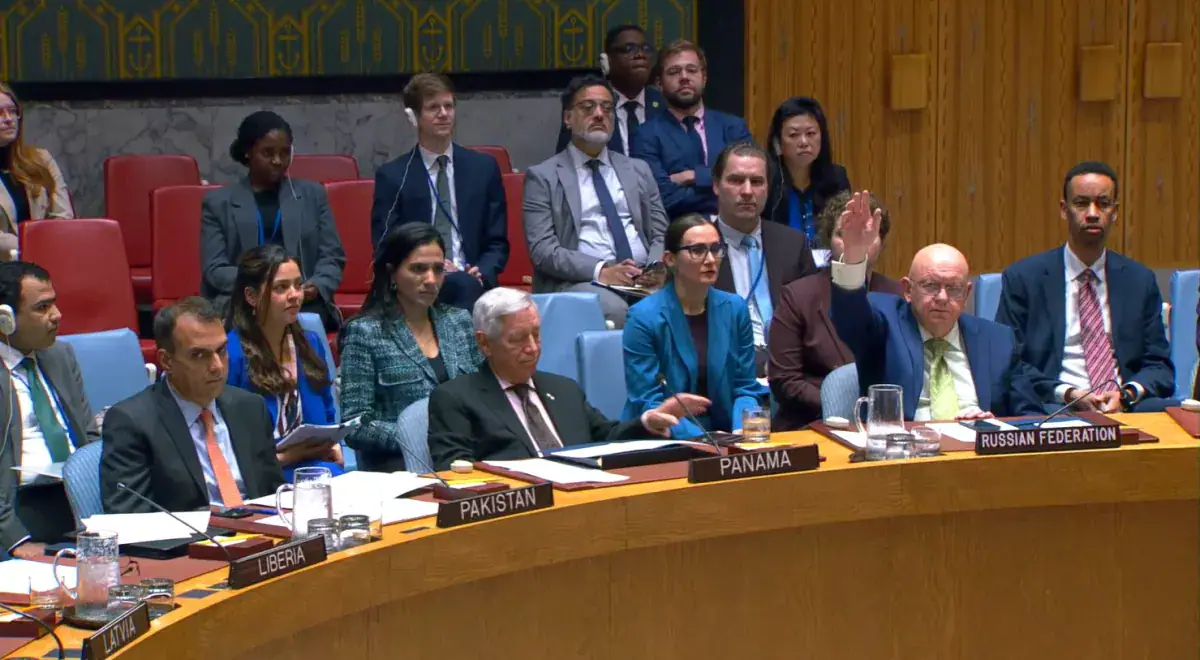
The Russian veto of a US-drafted UN Security Council resolution on Western Sahara has sparked disappointment and concern among several member states. The resolution, which sought to extend the mandate of the United Nations Mission for the Referendum in Western Sahara (MINURSO), was blocked by Russia's veto, despite receiving 11 votes in favor. The move has raised concerns about the future of the UN mission in the territory and the potential impact on diplomatic progress.
The US-sponsored draft resolution aimed to extend MINURSO's mandate until October 31, 2027, while renaming the mission to remove the reference to a referendum and aligning its mandate with the evolving political process. The proposal also recognized Morocco's autonomy proposal as the basis for negotiations. Russia opposed the changes and submitted an alternative draft, which also failed after the United States voted against it. This development has significant implications for the Western Sahara dispute.
France strongly criticized Russia's decision, describing the veto as a setback for efforts to advance the political process. The French representative emphasized MINURSO's critical role in maintaining regional stability and building trust needed for political negotiations. France considers the question of Western Sahara part of Moroccan sovereignty and supports the Moroccan plan. The French representative also regretted the Council's failure to support provisions concerning the UN High Commissioner for Refugees and the search for sustainable solutions for Sahrawi refugees.
The United Kingdom also expressed strong disappointment, warning that Russia's veto could undermine the Council's efforts and set back progress towards a political solution. London commended Washington's leadership and the work of UN Personal Envoy Staffan de Mistura in advancing the political process. The UK reiterated its position that Morocco's 2007 autonomy proposal is the most credible, viable, and pragmatic basis for a lasting resolution of the dispute.
Bahrain welcomed the proposed changes to MINURSO, expressing regret that the draft resolution had not been adopted. The Bahraini representative thanked Washington for presenting the draft and supported provisions recognizing Morocco's autonomy initiative as the basis for negotiations. Bahrain considers genuine self-determination under Moroccan sovereignty the most applicable solution to the conflict. The country also welcomed efforts to develop a framework for the UN mission that would reflect political developments and contribute to a lasting settlement.
Panama, which voted in favor of the American draft, said the Council had missed an opportunity to preserve stability on the ground and build on renewed diplomatic momentum. The Panamanian representative pointed to meetings held earlier this year in Washington and Madrid, which allowed parties to exchange positions and explore possible ways forward. Panama considers Morocco's 2007 autonomy proposal the most viable basis for resuming negotiations, but stressed that a lasting settlement should emerge from a genuine political process between the parties.
Colombia and Liberia also backed the autonomy proposal, commending US efforts to build consensus among Council members. The Colombian representative highlighted the principles of self-determination and sovereignty, while emphasizing the need for a lasting political solution. The humanitarian situation in the Tindouf camps was also raised, with Panama and Colombia calling for better prospects and dignified living conditions for refugees.
Key points
- Russia vetoes US-drafted UN resolution on Western Sahara.
- Allies criticize Russian veto, warn of setback in Western Sahara talks.
- Morocco's autonomy proposal remains basis for negotiations.