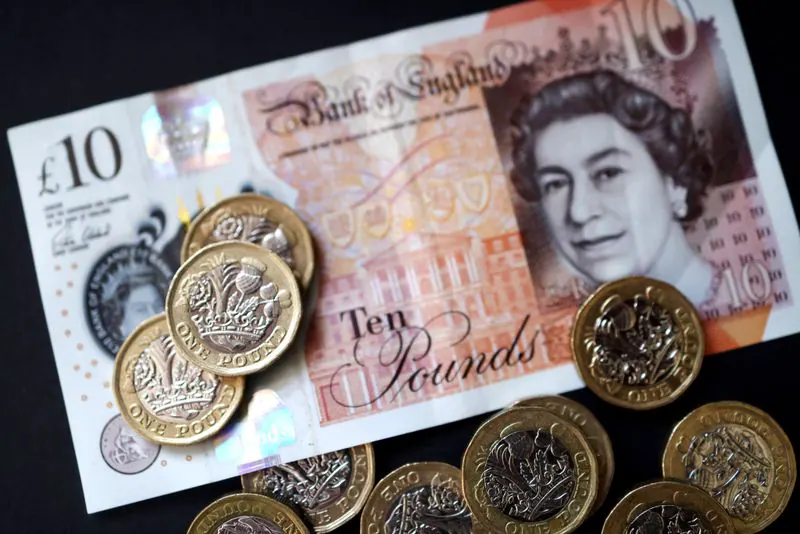
The Bank of England has revealed that its new banknotes will showcase native wildlife, including barn owls, bumblebees, puffins, and hedgehogs. This decision follows a public consultation where nearly 500,000 people voted on a selection of 18 animals. The change aims to make banknotes more distinctive and harder to counterfeit. The Bank of England's Chief Cashier, Victoria Cleland, expressed delight in the high response rate to the consultation, highlighting that cash still matters to many.
The decision to feature wildlife on banknotes was made in March, when the Bank of England announced that it would no longer feature famous Britons on future banknotes. This move dismayed politicians across the political spectrum and sparked speculation that the central bank wanted to avoid controversies surrounding historic figures. The public consultation allowed people to choose between different categories of images, ultimately leading to the selection of the four wildlife species.
The buff-tailed bumblebee was the most popular creature on the shortlist, followed by the barn owl and the European hedgehog. Despite the Atlantic puffin receiving fewer votes than red foxes and common kingfishers, it was selected to ensure a marine animal was included on the list. The new banknotes will continue to feature the monarch, maintaining a connection to the country's rich history.
The introduction of new banknotes featuring wildlife is part of a broader effort to revamp the UK's currency. The £5 note, featuring Winston Churchill, is the first to be replaced, followed by the £10 note with novelist Jane Austen, the £20 note with artist JMW Turner, and the £50 note with mathematician Alan Turing. These changes are expected to take place over the coming years.
While cash usage has declined significantly in Britain in recent years, with the COVID-19 pandemic accelerating the shift towards contactless payments, trade body UK Finance expects the decline to level off. A small percentage of Britons strongly prefer to use cash, and the new banknotes are likely to appeal to this demographic. The Bank of England's decision to feature wildlife aims to make cash more appealing and relevant in the modern era.
The new banknotes are expected to be more secure and harder to counterfeit, thanks to the unique designs featuring native wildlife. The Bank of England's efforts to revamp its banknotes have been shaped by public opinion, with the central bank taking a proactive approach to engaging with the public and incorporating their feedback into the design process.
As the UK's currency continues to evolve, the introduction of new banknotes featuring wildlife marks a significant shift in the country's approach to currency design. With the decline of cash usage slowing down, the Bank of England's decision to feature native wildlife aims to preserve the relevance of cash in modern Britain.
Key points
- The Bank of England's decision to feature wildlife on banknotes was made following a public consultation where nearly 500,000 people voted on a selection of 18 animals.
- The new banknotes will feature barn owls, bumblebees, puffins, and hedgehogs, replacing historic figures like Winston Churchill.
- The introduction of new banknotes is part of a broader effort to revamp the UK's currency, with the £5 note featuring Winston Churchill being the first to be replaced.