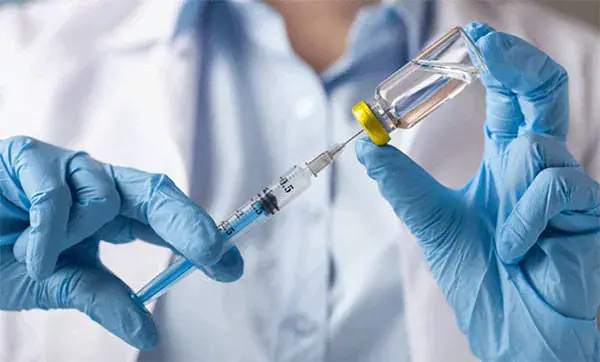
A recent study conducted by the Joint Clinical Research Centre (JCRC) in Uganda has revealed promising results for adolescents living with HIV. The research indicates that long-acting injections, administered every two months, yield better treatment outcomes compared to traditional daily pills. This breakthrough finding offers hope for improving HIV care and management among young people in Uganda and beyond.
The injectable treatment, given every two months, requires patients to receive only six injections annually, as opposed to taking oral antiretroviral medication daily. This alternative approach aims to address the challenges faced by adolescents in adhering to their treatment schedules. Many young people experience pill fatigue, struggle with stigma, and encounter difficulties in remembering to take their medication daily, which can impact treatment effectiveness and increase the risk of drug resistance.
According to the JCRC study, adolescents who received the injectable treatment demonstrated better outcomes than those relying on daily pills. These findings are particularly significant, as consistent treatment is crucial for controlling HIV, protecting the immune system, and enabling patients to lead healthier lives. The research has the potential to contribute to efforts aimed at enhancing HIV treatment programs in Uganda and other countries in the region.
Health workers have long faced challenges in helping adolescents adhere to their medication regimens, making alternative treatment options an essential area of research. However, it is essential to note that long-acting injections are not suitable for every person living with HIV. Patients must be assessed by qualified health professionals to determine their eligibility, and they must attend scheduled appointments for the injections.
The study's results offer fresh hope that HIV treatment can become more convenient and discreet for young people while maintaining better control of the virus. If this approach becomes more widely available to eligible patients, it could help reduce missed doses and improve long-term care. The Ugandan research marks an encouraging development in the country's ongoing efforts to improve the lives of adolescents living with HIV.
The injectable treatment has the potential to make HIV care more manageable for adolescents, allowing them to attend scheduled health appointments for their injections rather than carrying pills and remembering daily doses. This could be particularly beneficial for young people who struggle with daily medication, enabling them to lead more normal lives while maintaining effective treatment.
The findings of this study are a significant step forward in the quest to improve HIV treatment outcomes for adolescents in Uganda and beyond. As researchers continue to explore alternative treatment options, it is essential to prioritize the needs and challenges of young people living with HIV, ensuring that they receive the most effective and convenient care possible.
Key points
- The injectable treatment is administered every two months, requiring only six injections per year, making it a more convenient option for adolescents living with HIV.