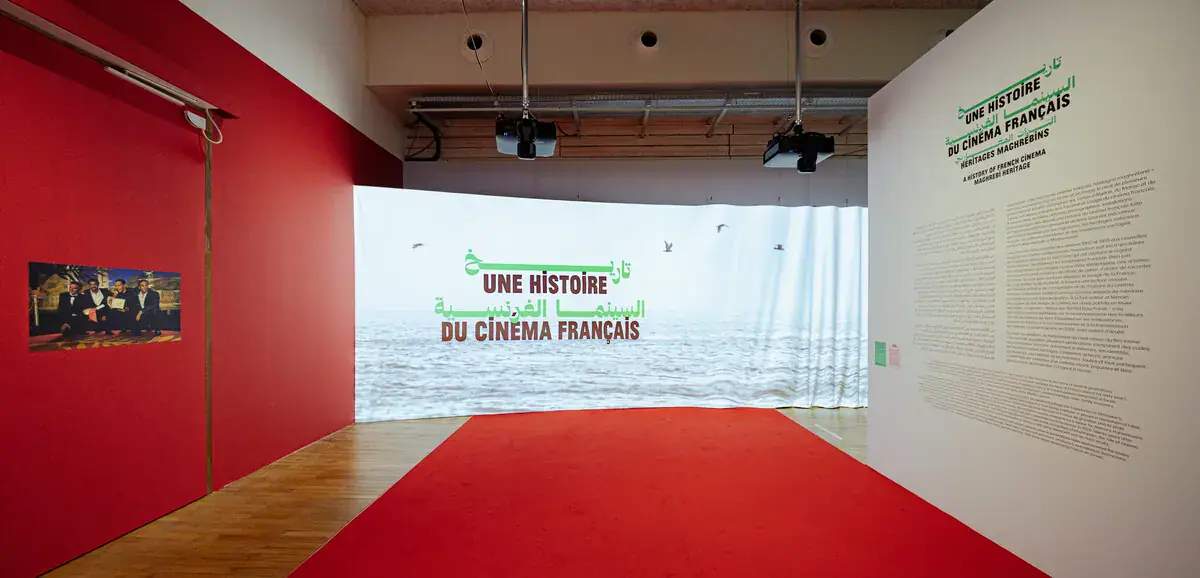
An exhibition at the Musée national de l'histoire de l'immigration in Paris is highlighting the significant contributions of artists from North African immigrant backgrounds to French cinema. The exhibition, titled "Une histoire du cinéma français – Héritages maghrébins," explores six decades of filmmaking from the 1960s to the present day. It features works by renowned directors, actors, and actresses such as Ali Ghanem, Mehdi Charef, Rachid Bouchareb, and Hafsia Herzi.
The exhibition aims to address the lack of recognition of the role played by North African immigrants in shaping French cinema. According to Lucile Humbert Beldjoudi, co-commissioner of the exhibition, their stories have been overlooked for too long. The exhibition seeks to rectify this by showcasing the work of pioneers from the 1960s and tracing a genealogy of influence through to new generations of filmmakers.
One of the earliest films featured is Ali Ghanem's "Mektoub," which tells the story of an Algerian immigrant arriving in Paris and settling in the Nanterre bidonville. This film marked a turning point in French cinema, offering a realistic portrayal of immigrant life from an insider's perspective. The exhibition also highlights the impact of the 1980s Marche pour l'égalité et contre le racisme on French cinema, with films like Mehdi Charef's "Le Thé au harem d'Archimède" winning awards and challenging stereotypes.
The exhibition also explores the challenges faced by North African immigrant artists in breaking down stereotypes and gaining recognition. Despite progress, many still encounter limited roles and expectations. However, the exhibition showcases how some artists have successfully taken control of their image, choosing their roles and creating their own production companies.
Women have played a significant role in shaping the narrative of French cinema, with directors like Hafsia Herzi, Lina Soualem, and Leïla Bouzid contributing to a new wave of storytelling. Their films offer nuanced portrayals of women from immigrant backgrounds, moving beyond stereotypes and exploring themes of identity, family, and belonging.
The exhibition features a range of materials, including film clips, posters, and photographs, offering a comprehensive look at the history of French cinema and its connections to North African immigrant communities. It aims to spark reflection on the future of French cinema and the new voices and forms that are shaping it.
The exhibition "Une histoire du cinéma français – Héritages maghrébins" runs until March 21, 2027, at the Musée national de l'histoire de l'immigration in Paris. It offers a unique opportunity to explore the rich and complex history of French cinema and its connections to North African immigrant communities.
Key points
- The exhibition highlights the significant contributions of North African immigrants to French cinema.
- It showcases six decades of filmmaking, from the 1960s to the present day.
- The exhibition features works by renowned directors, actors, and actresses, offering a comprehensive look at the history of French cinema.