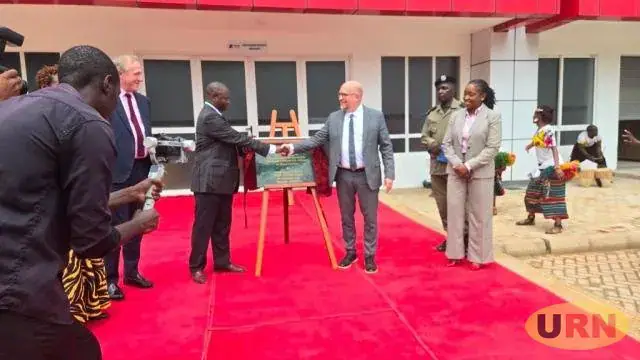
Uganda has marked a significant milestone in its fight against HIV/AIDS with the launch of its first local manufacturing facility for 'OraQuick' HIV self-test kits. The factory, located in Ntenjeru, Mukono District, is owned by Zakayo Industries Limited and has partnered with US-based OraSure Technologies to produce the oral fluid-based self-test kits. The facility was commissioned on Thursday, and the first export consignment of self-testing kits was dispatched to Kenya. This development is expected to increase the number of people who know their HIV status and help Uganda meet its goal of ending the AIDS epidemic by 2030.
The introduction of the HIV self-test kits has encouraged more Ugandans to test themselves, according to Shamim Naggayi, the plant manager. Previously, many people avoided testing due to fear of visiting hospitals and the limited number of facilities offering the service. The cost of the kits has decreased significantly since their introduction in 2018, from Shs40,000 to between Shs25,000 and Shs30,000 in pharmacies. The factory aims to further reduce the cost to as low as Shs7,000, making it more affordable for Ugandans to access the kits.
The plant currently produces between 50,000 and 60,000 kits per day, up from about 10,000 per eight-hour shift when assembly began in June. It employs more than 120 workers and plans to move from assembly and secondary packaging to full manufacturing of diagnostic devices by 2028. Zakayo Industries' chief executive officer, Ronald Wantanda Zakayo, said the company is built on three pillars: reducing the spread of HIV, creating jobs, and generating tax revenue for the country.
The partnership between the United States and Uganda in the health sector has spanned 90 years and has transformed the country's health system. US Chief of Mission, Michael Cleverly, said he will continue to encourage foreign companies to invest in Uganda to improve people's lives in the economy, education, and health sectors. The US has played a significant role in supporting Uganda's health sector, and this partnership is expected to continue.
According to Dr. Charles Olaro, Director General of Health Services at the Ministry of Health, local production of the HIV self-test kits will reduce reliance on imported testing materials and the foreign exchange previously spent on them. Self-testing enables people to discover their status early, allowing them to seek treatment while the infection is still in its early stages. The Uganda Population-based HIV Impact Assessment survey put national HIV prevalence at 5.9 per cent, with an estimated 150,000 to 200,000 Ugandans still unaware of their HIV status.
The HIV self-test kits are particularly useful for reaching men and young people who face barriers to conventional testing services. OraQuick allows users to screen themselves using an oral fluid sample without drawing blood or needing a health worker. A reactive result is not a confirmed diagnosis and must be followed by confirmatory testing and linkage to care. The kits are already distributed free through government public health facilities, and lowering the retail price will improve access for those who prefer to buy them privately.
The Mukono facility has obtained ISO 9001 and ISO 13485 certifications, and OraSure Technologies plans to expand production with Zakayo Industries to other diagnostics, including Ebola tests, and later explore hepatitis and sickle cell disease tests. Health officials say the combination of local production, lower prices, and greater privacy will accelerate progress toward the 2030 target of ending AIDS as a public health threat in Uganda.
Key points
- The factory aims to reduce the cost of the HIV self-test kits to as low as Shs7,000.
- The plant currently produces between 50,000 and 60,000 kits per day.
- The partnership between the US and Uganda in the health sector has spanned 90 years.